2026 Best Portable Physiotherapy Equipment for Buyers
Portable physiotherapy is no longer limited to a clinic room. Therapists, sports teams, and home-care providers may need dependable tools that travel between appointments. Yet a compact case does not automatically make equipment practical. Weight, setup time, cleaning needs, and treatment goals all matter.
This guide to the 2026 Best Portable Physiotherapy Equipment for Buyers examines useful options such as resistance bands, folding treatment tables, portable electrotherapy devices, massage tools, and mobility aids. Each serves a different purpose. A therapist treating a runner in a gym may value fast setup and easy storage. A home-care provider may care more about stability, patient comfort, and carrying equipment up stairs. Small details count. A table’s working height, a device’s battery life, or a band’s resistance range can change how well a tool fits daily practice.
The right choice depends on the user, setting, and care plan, not on a product’s claims alone. Buyers should review manufacturer specifications, maintenance instructions, warranty terms, and relevant professional guidance. Portable devices are not substitutes for clinical assessment or appropriate training. There is no perfect kit. Some compact tools sacrifice comfort or versatility, and that trade-off deserves honest attention. The sections ahead compare key features and practical limitations, helping buyers shortlist equipment with clearer expectations and fewer surprises.
What Portable Physiotherapy Equipment Is and Who Uses It
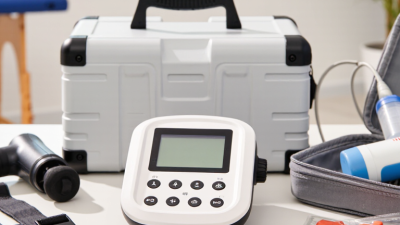
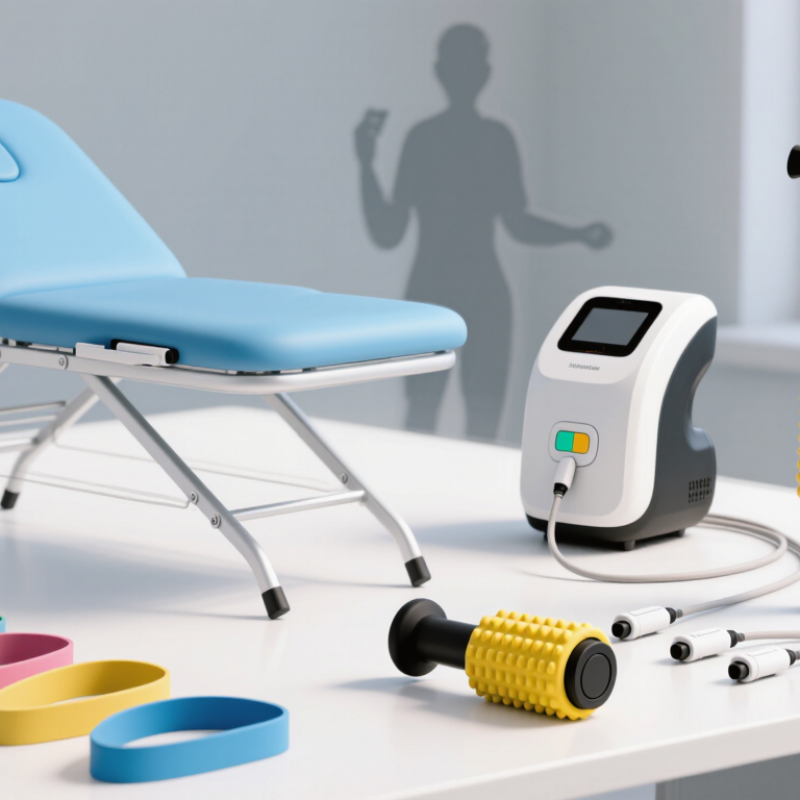
Portable physiotherapy equipment includes compact tools that help clinicians assess movement and deliver exercises outside a fully equipped treatment room. A kit may contain resistance bands, a folding treatment table, measuring tools, and washable supports. Some devices require extra training and careful setup. Portability means more than small size; equipment should also be stable, easy to clean, and practical to carry.
Physiotherapists use these tools during home visits, community appointments, and workplace assessments. Sports therapists may bring bands, tape, and basic testing tools to training venues. Patients also use selected equipment at home, usually after a clinician demonstrates the movement and checks that it suits their needs. A band and a clear exercise plan can be enough. Not every problem needs a device.
Buyers should consider who will use the kit, where it will be stored, and how often it must travel. A therapist climbing apartment stairs may value a light bag, while a clinic may prioritize a sturdier portable table. Check load limits, cleaning instructions, and replacement options before purchase. Heavier equipment can feel reassuring, but it may stay unused if transport is difficult. I would also question any kit that promises results without considering assessment, technique, or the person’s changing symptoms.
Key Types of Portable Physiotherapy Equipment in 2026
2026 Best Portable Physiotherapy Equipment for Buyers
Key Types of Portable Physiotherapy Equipment in 2026
Portable equipment ranges from simple exercise tools to compact electronic devices. Resistance bands, therapy putty, and small hand weights support strength and mobility exercises. They are light, inexpensive to replace, and easy to pack. Simple, but useful. Balance pads and foldable steps can help practitioners set up controlled movement tasks in limited spaces.
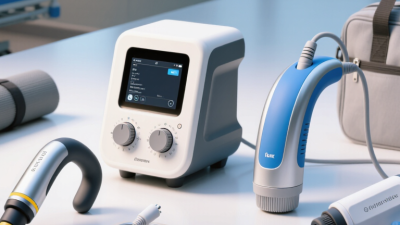
For hands-on sessions, a folding treatment table and adjustable stool can make room-to-room work more practical. Check the table’s load rating, locking parts, and folded dimensions before buying. Portable electrical options may include TENS units or compact heat devices. Their controls, cleaning requirements, battery life, and safety instructions deserve close review. Suitability depends on the person and treatment plan, so equipment should not replace professional assessment. Some devices look convenient online but feel awkward during a real session; trialling them is worthwhile when possible.
Tips: Match equipment to the exercises you actually provide, not a wish list. Pack it into your usual case and test setup time. Keep manuals accessible, inspect cables and fasteners regularly, and follow the manufacturer’s guidance. A small kit used consistently may serve better than a larger kit that stays in storage.
How to Compare Portability, Treatment Features, and Safety
Portability is more than a low number on a product sheet. Check the packed weight, case dimensions, handle comfort, and setup time. A device carried between treatment rooms should fit through a standard doorway and stay secure in transit. If it needs a wall outlet, note where sessions will take place. Battery life matters, too; compare stated runtime with your expected daily use, not just a single session.
Look closely at treatment features. Confirm that settings are clear, adjustable, and appropriate for the intended clinical use. A bright display and simple controls can help when a therapist is wearing gloves or working in a small room. Check whether the unit supports the required accessories, and whether those parts are easy to clean and replace. More options are not automatically more useful. Sometimes they add steps.
Safety deserves the same attention as performance. Review electrical protections, temperature limits where relevant, and any built-in alerts. Read the operating instructions and contraindications, then confirm that staff have suitable training. Ask how the equipment is inspected and serviced, and keep records of maintenance. A compact case can look reassuring. It does not prove the device is safe. I would also test setup with the actual team before purchase; product descriptions rarely show every awkward cable or stubborn latch.
2026 Best Portable Physiotherapy Equipment for Buyers — How to Compare Portability, Treatment Features, and Safety
Therapeutic ultrasound frequency affects the approximate depth of heating. Use this comparison to understand one treatment feature; portability and safety vary by device and patient.
How to read it: 1 MHz is typically used for deeper tissues, while 3 MHz is typically used for more superficial tissues. These are approximate teaching ranges, not guaranteed treatment depths. When comparing portable units, also check device weight, power options, output controls, and safety instructions; treatment choice should be guided by a qualified clinician.
Best Equipment Categories for Different Physiotherapy Needs
Portable physiotherapy equipment works best when matched to a clear care goal. For strength and mobility, resistance bands, compact steps, and a folding mat support graded exercises in small rooms. Different band tensions help adjust effort without adding heavy weights. For balance and gait practice, lightweight cones, floor markers, and a stable portable rail create simple pathways. Keep walking aids nearby, and clear the floor before each session.
Tips: Check setup time, cleaning instructions, carrying weight, and storage size before buying. Try carrying the packed kit up one flight of stairs. Small detail, big difference. Choose adjustable tools, but remember that one size may not suit every patient. Note whether equipment improves comfort or everyday task performance.
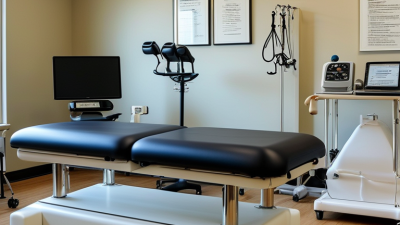
For hands-on treatment, a portable treatment table and washable bolsters may be useful. Confirm their weight capacity and stability on the actual floor surface. Heat or cold packs can support comfort, but follow clinician guidance and protect the skin. Electrical stimulation equipment may require professional advice and training. There is no perfect kit. Revisit choices as goals, strength, or home layouts change. Sometimes the least-used item looked most impressive in a catalog.
How Buyers Can Assess Quality, Compliance, and After-Sales Support
Portable physiotherapy equipment should be assessed in the setting where it will actually be used: a clinic room, a home visit, or a mobile service. Check frame joints, adjustment locks, cables, and wheels by operating them repeatedly. They should move smoothly without unexpected play or sharp edges. Ask for written load limits and care instructions. A neat finish helps, but it is not proof of durability.
Compliance needs more than a logo or a reassuring sales claim. Request the product’s applicable conformity documents, test reports, and traceability details, then confirm they match the exact model being purchased. Requirements differ by market and equipment type, so buyers should verify them with qualified local advisers where needed. Essential. Also inspect surfaces and seams: can staff clean them without damaging labels or padding? Small details matter. Some checks feel tedious, but skipping them can create avoidable uncertainty.
After-sales support is part of product quality. Before ordering, ask how quickly technical questions are answered, whether replacement parts are available, and what warranty exclusions apply. Get those terms in writing. If possible, test a sample and request a short setup demonstration; a confusing adjustment mechanism can slow a busy appointment. A supplier may sound responsive during a sales call, yet service after delivery is harder to judge. Ask for realistic response times, not vague promises, and keep records of all commitments.