Why Choose a Physical Therapy Machine for Your Clinic?
Choosing a Physical Therapy Machine is not simply a purchasing decision. It is a clinical decision that can influence patient comfort, therapist efficiency, and treatment consistency. A well-selected machine may support controlled movement, reduce repetitive strain, and provide measurable feedback during rehabilitation. However, equipment alone cannot create better outcomes. The therapist’s assessment remains central.
Dr. Julie Fritz, a respected physical therapist and rehabilitation researcher, emphasizes a patient-centered principle: treatment should fit the patient, not the equipment. That idea deserves attention when comparing electrical stimulation units, therapeutic ultrasound systems, traction devices, or robotic exercise platforms. Each machine should match a clear clinical need. For example, a knee rehabilitation device should allow adjustable resistance, visible progress tracking, and comfortable positioning. Small details matter.
The best choice also considers staff training, cleaning procedures, maintenance access, warranty coverage, and available clinic space. A device with impressive specifications may remain unused if its controls feel confusing or its setup takes too long. This happens more often than clinics admit. Cost should be measured against realistic use, not promotional claims. Peer-reviewed evidence, manufacturer documentation, and feedback from experienced clinicians can improve the decision.
There is room for reflection. Some clinics may purchase advanced technology before defining their treatment goals. That approach can waste money and weaken patient trust. A reliable Physical Therapy Machine should support clinical reasoning, not replace it. When technology fits the workflow, therapists can spend less time adjusting equipment and more time observing movement, explaining progress, and building patient confidence.
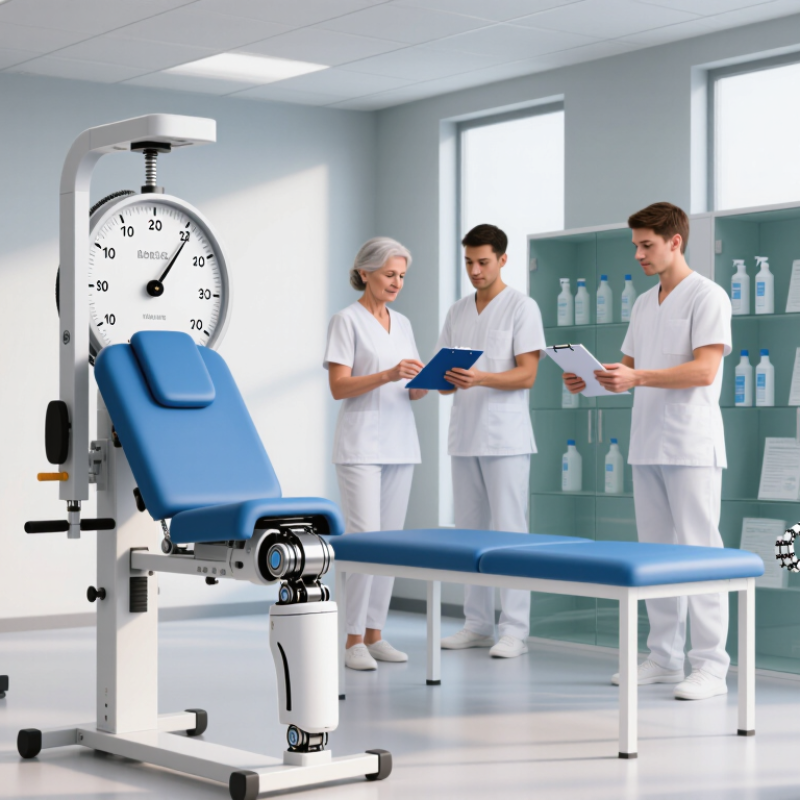
What Is a Physical Therapy Machine?
A physical therapy machine is a clinical device that supports movement recovery, pain management, or tissue rehabilitation. It is not a single device with one universal function. The term can describe electrical stimulation units, therapeutic ultrasound systems, traction equipment, heat therapy devices, and compression systems.
Each machine applies a controlled physical stimulus to the body. Electrical stimulation may activate weak muscles or reduce discomfort. Ultrasound can deliver sound energy to selected soft tissues. Compression equipment may help manage swelling after injury or surgery. The patient remains central. A machine should support the therapist’s assessment, not replace it.
In a well-run clinic, the therapist checks medical history, skin condition, sensation, mobility, and treatment goals before using equipment. Settings must match the patient’s condition, tolerance, and stage of recovery. Incorrect placement or excessive intensity can cause discomfort or reduce trust. No machine fits every patient.
Practical experience also shows that advanced controls do not guarantee better care. A simple device may be more useful when staff can operate it confidently and monitor responses closely. Cleaning routines, electrical inspections, staff training, and clear treatment records matter every day. The label “physical therapy machine” can be misleading because effectiveness depends on clinical reasoning, not equipment alone. Sometimes, the best decision is to adjust the plan rather than continue a familiar machine-based treatment.
Why Choose a Physical Therapy Machine for Your Clinic?
What Is a Physical Therapy Machine?
Physical therapy machines deliver controlled forms of electrical or acoustic energy to support rehabilitation goals such as pain management, muscle activation, and tissue treatment. The chart below shows representative operating frequencies commonly associated with several clinical modalities. Actual settings should be selected by a qualified clinician according to the patient, treatment goal, and device instructions.
How to read the chart: The logarithmic scale allows low-frequency electrical stimulation and high-frequency therapeutic ultrasound to appear in the same chart. TENS and NMES commonly use low-frequency pulses, interferential current uses a higher carrier frequency, and therapeutic ultrasound commonly operates at 1 MHz or 3 MHz.
Key Benefits for Patients and Practitioners
A physical therapy machine can make treatment more measurable and consistent. This matters as rehabilitation demand grows. The World Health Organization reports that 2.41 billion people worldwide live with conditions that may benefit from rehabilitation. Low back pain alone affected about 619 million people in 2020, according to the Global Burden of Disease study published in The Lancet Rheumatology. A suitable device can support pain relief, muscle activation, joint mobility, or controlled loading when clinically appropriate.
Patients often value a clearer treatment experience. Adjustable intensity, timed sessions, and visible progress can reduce uncertainty beside the treatment table. Therapists can record settings and responses more consistently. This supports safer adjustments between visits. It may also improve workflow when staff must monitor several patients. Small details matter, such as clean controls, readable displays, and comfortable positioning. Patient education remains essential. A machine should support active participation, not replace it.
Machines are not magic. Poor selection can increase cost, clutter, or false confidence. A 2023 World Health Organization rehabilitation report emphasizes person-centred care and trained professionals, rather than equipment alone. Practitioners should match each device to assessment findings, contraindications, and functional goals. They should also review outcomes instead of repeating familiar settings automatically. More technology is not always better. In some cases, hands-on guidance and simple exercise remain more useful. That uncomfortable possibility deserves attention.
Factors to Consider When Choosing a Machine
Why Choose a Physical Therapy Machine for Your Clinic?
Factors to Consider When Choosing a Machine
Start with the patient. A useful physical therapy machine should match your clinic’s treatment goals, patient conditions, and staff expertise. Consider whether it supports pain relief, muscle activation, mobility training, or recovery after injury. Check adjustable intensity, treatment modes, and applicator sizes. These details matter when treating a sensitive shoulder or a larger muscle group.
Safety should guide every decision. Look for clear controls, emergency shutoff features, and built-in treatment limits. The device should have reliable documentation and support evidence-based clinical use. Ask how easily therapists can clean surfaces between patients. A machine that is difficult to disinfect may disrupt daily practice. It should also fit your room without blocking walking paths or treatment tables.
Think beyond the purchase price. Review training requirements, maintenance schedules, warranty coverage, and replacement parts. A low-cost device may become expensive if repairs are slow or frequent. Staff should understand contraindications, correct positioning, and dosage selection before treatment begins. Patient comfort deserves equal attention. Loud sounds, cold surfaces, or confusing displays can reduce cooperation. No machine is perfect. I have seen equipment used less often because it felt complicated, despite strong technical features. Trial the machine with real staff, record their feedback, and question whether it improves care rather than simply adding another device.
How to Integrate the Machine into Your Clinic Workflow
Integrating a physical therapy machine starts with workflow, not equipment placement. Begin with a safety and needs assessment. Match the machine’s function to common cases, staff skills, and treatment goals. The World Health Organization reports that 2.4 billion people may benefit from rehabilitation worldwide. Demand is growing, but clinical capacity remains limited. A suitable machine can support consistency without replacing professional judgment.
Create a fixed process. A therapist screens the patient first. Then, staff record contraindications, settings, treatment duration, and patient response. Place the machine near required supplies, power access, and cleaning stations. Schedule setup time between appointments. Allow space for transfers and observation. Documentation should fit existing records, rather than creating duplicate work. A rushed process is a warning sign.
Tips: Assign one trained lead. Use a brief pre-use checklist. Label approved settings clearly. Clean contact surfaces after every session. Review adverse responses during weekly team meetings. Track waiting time, treatment completion, staff corrections, and patient feedback. The first setup may feel awkward. That is useful evidence.
The U.S. Bureau of Labor Statistics projects 15% employment growth for physical therapists from 2022 to 2032. Clinics should therefore design workflows that remain practical during busy periods. Test the process with a small patient group before expanding it. Review outcomes after 30 days. If staff bypass steps, the workflow needs revision. A machine may improve efficiency, but only when training, supervision, and measurement stay visible.