Selecting the right equipment can shape a clinic’s daily workflow and the care patients receive. This guide to the 10 Best Physical Therapy Machines for Clinics in 2026 looks beyond impressive features. It considers treatment applications, ease of use, training needs, maintenance, and the space each device occupies. A Physical Therapy Machine may support pain management, mobility, strength, or recovery—but no single device suits every patient.
The selection includes options such as therapeutic ultrasound, electrical stimulation, traction, compression, and continuous passive motion systems. Each serves a different purpose. A clear display, accessible controls, and a comfortable treatment setup can matter as much as advanced settings. In a busy clinic, even a few minutes spent adjusting equipment can affect the schedule. Small details count. So does sound training.
This list is intended as a practical starting point, not a substitute for clinical judgment. Product capabilities and evidence vary, and a machine’s usefulness depends on the treatment plan, patient needs, and clinician expertise. Some devices may look appealing on paper but prove less practical in a particular setting. That is worth admitting. Clinics should confirm current specifications, service support, and applicable safety guidance before purchasing. The best choice is one clinicians can use competently, maintain reliably, and match to appropriate patients.
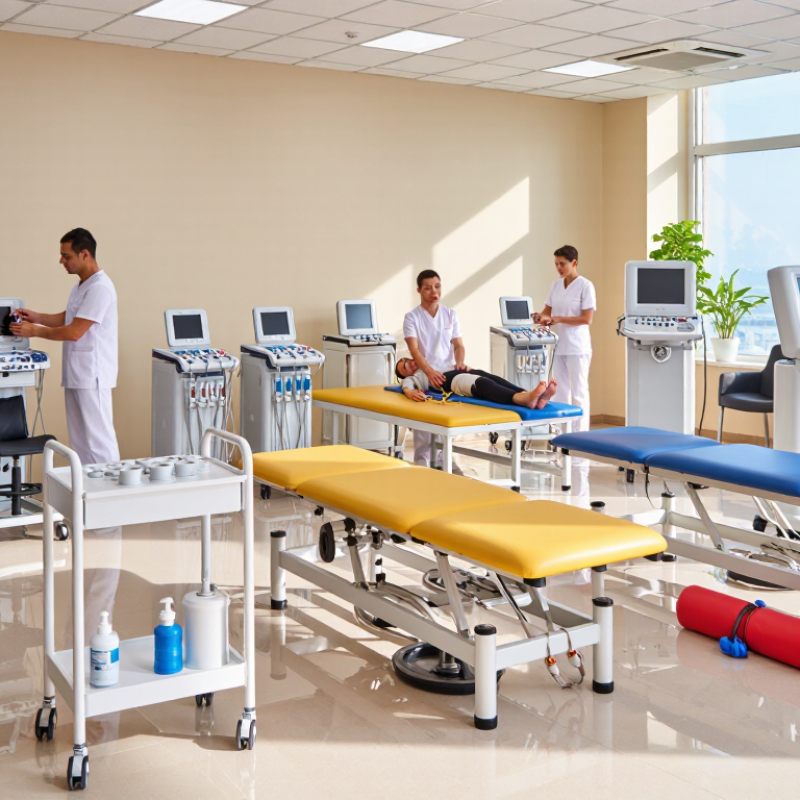
Physical therapy machines support clinical rehabilitation by making movement measurable, repeatable, and easier to adjust. A stationary cycle can help a patient rebuild activity tolerance after surgery, while a cable station allows gradual resistance through a controlled range. Some clinics use balance platforms or gait-training systems to observe weight shifts and walking patterns. Small changes matter. Therapists can track distance, repetitions, assistance, and symptoms across visits. Those details inform progression, but they do not tell the whole story.
Equipment works best when it fits the clinical assessment, the patient’s goals, and current precautions. A device may provide useful feedback, yet it cannot judge fear, fatigue, or a sudden change in pain. Clinicians should check fit, setup, skin response, and safety, especially when mobility or sensation is limited. The display may look impressive. It can still miss what matters. A simple step-up or supported walk may reveal more about daily function than a complex metric. Machines can expand practice and consistency, but skilled observation and patient feedback still shape each session. Sometimes the right adjustment is less resistance, more rest, or a different task.
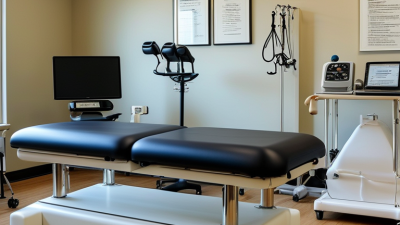
Choosing equipment for a physical therapy clinic starts with its patients, not a product list. Review common treatment goals, mobility levels, and daily appointment volume. A small clinic treating many older adults may value stable supports and easy transfers more than a large exercise station. Measure doorways and treatment areas, too. Space matters.
Match each machine to a clear clinical purpose. Adjustable resistance, speed, and positioning can help clinicians adapt sessions as patients progress. Controls should be easy to understand, with emergency stops visible and reachable. Ask staff to test setup and transfers before purchase. Small details count, like whether a wheelchair fits beside the equipment. No checklist predicts every awkward moment.
Safety and upkeep deserve equal attention. Check weight limits, cleaning requirements, service access, and the availability of staff training. Ask how routine inspections are documented and what happens when a machine needs repair. Downtime can disrupt care. Compare the total cost of ownership, not just the purchase price. A lower-cost unit may demand more maintenance; an advanced system may be underused. Pilot equipment with clinicians and patients, then gather feedback. Some preferences will conflict. That is useful information, not a reason to rush.
Ten leading physical therapy machines for clinics in 2026 should support varied goals, not simply fill floor space. A practical lineup may include an adjustable treatment table, cable resistance station, stationary cycle, treadmill, balance trainer, isokinetic dynamometer, therapeutic ultrasound unit, electrical stimulation unit, traction table, and continuous passive motion device. Each serves a different role, from gait practice to strength measurement. The World Health Organization estimates that 1.71 billion people live with musculoskeletal conditions worldwide (WHO, “Musculoskeletal Conditions,” 2022). That scale makes adaptable care important.
Match equipment to your patients and clinicians’ training. A treadmill with adjustable speed can support graded walking, while a dynamometer can track strength changes across visits. Ultrasound and electrical stimulation units may complement care, but they should not replace active exercise or clinical judgment. Evidence and patient response vary. No machine works for everyone. Clinics can also misjudge how much space or staff time a device needs; a rarely used machine is still a costly one.
Tips: Before buying, test controls, cleaning access, service support, and patient transfers. Record how often each machine is used. Review that data after a few months, then adjust the lineup. Small details matter. A narrow treatment room can make a promising purchase awkward.
| Physical Therapy Machine | How It Works | Common Clinic Uses | Useful Features | Practical Considerations |
|---|---|---|---|---|
| Therapeutic Ultrasound Unit | Uses a sound-head applicator to deliver high-frequency sound energy to a treatment area. | May be used as an adjunct in selected soft-tissue treatment plans. | Adjustable intensity and treatment time; continuous or pulsed settings on many units. | Requires appropriate coupling gel and continuous movement of the applicator. Screen the treatment area and follow device guidance. |
| TENS / NMES Electrotherapy Unit | Delivers controlled electrical pulses through surface electrodes. TENS is commonly used for sensory stimulation; NMES aims to evoke muscle contraction. | Pain-management plans, muscle re-education, and selected strengthening programs. | Multiple channels, adjustable pulse settings, and reusable or disposable electrodes. | Electrode placement and settings should match the clinical goal. Screen for implanted electronic devices and other relevant precautions. |
| Interferential Current Therapy Unit | Uses intersecting medium-frequency electrical currents delivered through surface electrodes. | An electrical-stimulation option used in some clinics as part of symptom-management programs. | Often offers multiple channels, adjustable intensity, and preset or customizable programs. | Correct electrode placement and skin checks are important. It shares many screening considerations with other electrical stimulation. |
| Photobiomodulation (Therapeutic Laser) Unit | Delivers light at selected wavelengths to tissue; output and treatment parameters vary by device. | May be considered as an adjunct in selected musculoskeletal care plans. | Handheld or cluster applicators; some devices allow preset treatment protocols. | Use wavelength-appropriate eye protection and follow laser safety procedures. Clinical protocols and evidence vary by condition and device. |
| Extracorporeal Shockwave Therapy Unit | Applies acoustic pressure waves to a targeted area using focused or radial technology, depending on the system. | Used in some clinics for selected persistent tendon and other musculoskeletal conditions. | Adjustable treatment intensity and pulse rate; applicators differ by wave type and treatment area. | Requires clinician training, patient screening, and suitable applicator selection. Not appropriate for every diagnosis or patient. |
| Cervical and Lumbar Traction Unit | Applies a controlled pulling force to the neck or lower back, either continuously or intermittently. | May be used for selected patients with spinal symptoms when clinically appropriate. | Force, hold time, rest time, and treatment duration are adjustable on many units. | Requires correct positioning and ongoing response monitoring. Patient selection and contraindication screening are essential. |
| Continuous Passive Motion (CPM) Machine | Moves a supported joint through a programmed range of motion without requiring the patient to power each movement. | Used in some post-operative rehabilitation settings when prescribed as part of a care plan. | Adjustable range, speed, and session duration; equipment is joint-specific. | Fit and range should follow the treating clinician’s instructions. It does not replace active rehabilitation when active exercise is appropriate. |
| Shortwave Diathermy Unit | Uses electromagnetic energy to produce therapeutic heating in selected tissues. | Thermal treatment for selected cases where deep heating is clinically indicated. | Capacitive or inductive applicators may be available, depending on the unit. | Requires dedicated space, staff training, and careful screening, including for metal in or near the treatment field and implanted electronic devices. |
| Pneumatic Compression Therapy System | Inflates and deflates air chambers in sleeves or garments to apply sequential or intermittent pressure. | May support selected swelling-management or circulation-related care plans after appropriate assessment. | Multiple garment sizes, adjustable pressure, and programmable inflation cycles are common options. | Correct garment fit matters. Assess for conditions such as suspected acute thrombosis or other contraindications before use. |
| Stationary Rehabilitation Bike / Ergometer | Provides repeated cycling movement with adjustable resistance; some models also allow passive or assisted cycling. | Cardiovascular conditioning, lower-limb endurance, and graded movement practice. | Adjustable seat and resistance; recumbent designs can offer additional back support. | Choose a stable design with accessible entry and appropriate adjustability. Set workload and range to the patient’s ability and plan. |
Note: This is a modality-based overview, not a ranked product test. Suitability, treatment settings, and safety screening depend on the patient, clinical indication, and device instructions.
A clinic’s equipment should follow the patient’s functional goal, not the other way around. For a person rebuilding walking tolerance, a treadmill with adjustable speed and handrails may offer a controlled starting point. Someone with limited weight-bearing capacity may do better with a recumbent cycle, where the seat supports the trunk and the pedals move smoothly. That matters. Match resistance, entry height, and safety features to the patient’s current ability, then adjust as strength and confidence change.
For balance training, look for stable support options and clear space around the equipment. A balance platform may suit some patients, but it is not automatically the right choice for someone who cannot stand safely without assistance. Electrical stimulation or therapeutic ultrasound may have a role in selected treatment plans, but neither should replace active rehabilitation when movement is the goal. Clinicians should consider the diagnosis, precautions, comfort, and available evidence before choosing a modality. The neatest equipment plan on paper may still feel wrong in practice. Ask patients what they can manage, observe how they respond, and document changes in function. Small adjustments count.
In 2026, clinic safety depends on more than choosing capable physical therapy machines. A loose cable, worn table lock, or damp electrode can turn a routine session into a preventable hazard. The World Health Organization’s Global Patient Safety Report 2024 estimates that about one in ten patients experiences harm during healthcare, with more than half of that harm preventable. These figures cover healthcare broadly, not physical therapy equipment alone. Still, they support careful risk checks before treatment begins.
Build a brief inspection into each shift: check cables, plugs, emergency stops, straps, and treatment surfaces. Remove questionable equipment from use and document the fault; do not rely on a verbal handoff. Staff training should include supervised setup, patient positioning, contraindication checks, and what to do when a device behaves unexpectedly. Use short refreshers when equipment or procedures change. Small details matter. Maintenance logs should record inspections, repairs, and service dates, with clear responsibility for follow-up. A checklist can become paperwork if nobody acts on failed checks. That is an uncomfortable gap worth reviewing during staff meetings. Keep instructions beside the equipment, where busy clinicians can actually find them.