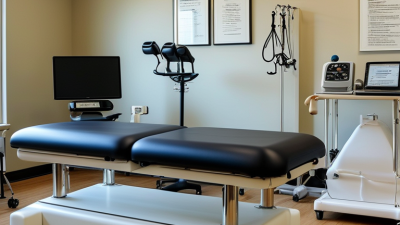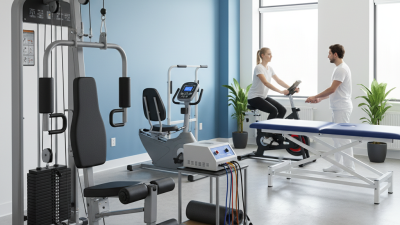
Choosing a Smart Therapy Machine is no longer a simple equipment purchase. It affects clinical workflow, patient trust, staff training, and long-term operating costs. The World Health Organization reported that 129 countries had national digital health strategies by 2020. That figure signals a clear shift toward connected care, but it does not prove that every smart device improves outcomes.
Market growth is also significant. Grand View Research estimated the global digital therapeutics market at approximately USD 6.5 billion in 2023, with strong projected growth through 2030. However, market size can mislead buyers. A polished touchscreen does not replace clinical evidence. Eric Topol, a leading digital medicine physician, wrote, “The future of medicine is the democratization of healthcare.” His statement highlights an important question: does the machine give professionals better control and patients safer, more personalized support?
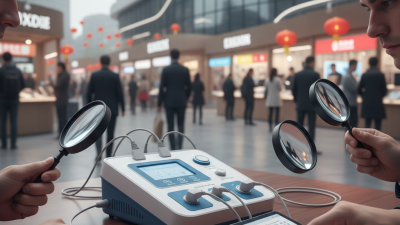
For business owners, the right evaluation should begin with intended use. Check peer-reviewed evidence, measurable treatment outcomes, electrical safety, data protection, and regulatory status in your target market. Ask for calibration records and a live demonstration. Watch how quickly a therapist can adjust settings, clean the contact surfaces, and export treatment notes. These small details matter during a busy afternoon.
Cost deserves a wider lens. Include installation, software subscriptions, maintenance, replacement parts, staff education, and downtime. A cheaper machine may become expensive after one year. A premium model may still disappoint if local technical support is weak. The honest answer is uncomfortable: no single Smart Therapy Machine suits every business. The best choice depends on your patients, practitioners, budget, evidence requirements, and willingness to review performance continuously.

Before comparing smart therapy machines, define the people you serve and the problems you address. A sports clinic may need recovery-focused sessions, while a wellness studio may prioritise relaxation and comfort. Review your client records, appointment patterns, and staff skills. Note common treatment areas, session lengths, and peak booking times. Be specific. “Better wellness” is too vague to guide a purchase.
Set measurable treatment goals that match your professional scope. You might aim to reduce session preparation time, improve treatment consistency, or support comfort during supervised care. Consider how the machine fits into existing assessments and follow-up notes. A trained practitioner should confirm whether the technology suits each client. It should not replace clinical judgement. Safety instructions, staff training, maintenance access, and applicable regulations also deserve attention.
A practical test can reveal hidden problems. Ask staff to operate the machine during a realistic appointment. Check its setup time, control clarity, noise level, and cleaning process. Observe how clients respond. Some devices appear efficient but interrupt natural conversation or require frequent adjustments. That matters. I have seen teams focus on advanced settings and overlook storage space, staff confidence, and aftercare documentation. Revisiting the original goals is useful when enthusiasm starts driving the decision.
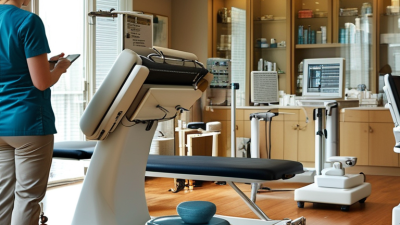
Choosing a smart therapy machine starts with its intended application, not its screen size or software features. The World Health Organization reported in 2022 that 2.4 billion people could benefit from rehabilitation. This demand covers pain management, mobility training, recovery, and long-term support. Each need requires a different technology.
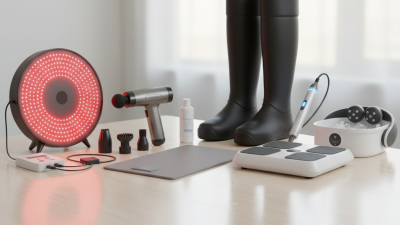
Photobiomodulation uses controlled light and may support tissue recovery and temporary pain relief. Compression systems can assist circulation and post-exercise recovery.
Electrical stimulation is often used for muscle activation or rehabilitation exercises. Ultrasound therapy may target soft-tissue treatment, but evidence and protocols vary.
The Global Wellness Institute valued the wellness economy at 6.3 trillion dollars in 2023. However, market growth does not prove clinical effectiveness. A machine should match trained staff, treatment goals, and patient screening. Smart controls are useful, but poor setup can still produce poor care.
Tips: Compare published clinical evidence, treatment parameters, cleaning needs, and staff training time. Ask whether the device records dosage, session duration, and safety checks. Review outcomes after 30 days, not only sales demonstrations. A practical trial may reveal uncomfortable cables, confusing menus, or weak patient adherence. Those details matter. Also, avoid promising faster healing without reliable evidence. A careful buyer should consult qualified clinicians and check applicable local requirements before purchasing.
Choosing a smart therapy machine requires more than checking features, price, or treatment speed. Safety and user protection should guide the entire purchasing decision. Look for adjustable intensity limits, clear operating instructions, automatic shutdown, and an easily accessible emergency stop. A visible warning label helps, but it cannot replace proper training.
Compliance evidence matters. Ask the supplier for risk assessments, test reports, maintenance procedures, and instructions for safe cleaning. Confirm that the machine meets the medical-device requirements applicable in your location. Requirements may differ between countries and treatment settings. Do not rely on vague claims. Request current documents and verify them through qualified regulatory or clinical professionals.
User protection also includes privacy and comfort. If the machine stores personal data, check access controls, encryption, retention periods, and deletion procedures. Review contraindications carefully, including implanted devices, pregnancy, skin conditions, or medication-related risks. Staff should know when to stop treatment and how to record an incident. Keep it practical. A short training session with a real emergency drill can reveal gaps that manuals hide.
No checklist is perfect. Staff may skip steps during busy hours, and users may misunderstand instructions. Build simple safeguards into daily work: pre-use checks, locked settings, supervisor approval, and scheduled servicing. Observe the first sessions closely. A machine that appears safe in a demonstration may behave differently in a crowded clinic, where cables, noise, and rushed decisions create unexpected risks.
Choosing a smart therapy machine requires more than comparing features and screen size. Equipment quality should come first. Check the casing, connectors, treatment heads, and display for durable construction. Ask for independent test reports, safety documentation, and evidence supporting the machine’s intended use. A clear warranty also shows whether the supplier stands behind its equipment.
Usability affects every treatment session. Staff should adjust settings without guessing or repeatedly consulting a manual. A readable interface, logical controls, and clear treatment feedback reduce avoidable errors. Test the machine with gloves, in a busy room, and under ordinary lighting. Small frustrations become expensive when staff use the device all day. Training matters too. A short demonstration is helpful, but supervised practice reveals more.
Maintenance requirements deserve equal attention. Confirm cleaning methods, replacement intervals, software support, calibration procedures, and service response times before purchasing. Keep written service records and assign responsibility for daily inspections. If a critical component needs overseas shipping, treatment schedules may suffer. That risk is easy to overlook. No checklist is perfect. I would also ask current users what failed after six months, not only what worked on delivery. Their practical feedback may expose noisy fans, fragile cables, confusing updates, or difficult cleaning areas. A machine that performs well but is hard to maintain can quietly reduce staff confidence and patient comfort.
Assessment priorities for equipment quality, usability, and maintenance requirements
Quality receives the highest priority because treatment consistency and safety directly affect service reliability. Usability focuses on training time and workflow efficiency, while maintenance reflects cleaning effort, preventive service needs, and long-term operating continuity. Scores use a 0–100 procurement assessment scale.
How to Choose a Smart Therapy Machine for Your Business?
Calculate the full cost before comparing features. Include the machine, delivery, installation, staff training, software, maintenance, and room preparation. A lower purchase price may hide expensive service visits or consumables. Ask for a written five-year cost estimate. Record every assumption.
Estimate returns using realistic figures, not showroom promises. Multiply the expected monthly sessions by the net price per session. Then subtract staffing, rent, supplies, financing, and maintenance costs. Compare this figure with the initial investment to estimate payback time. A simple spreadsheet works well. Still, forecasts can be wrong. Demand may grow slowly, and unused equipment can become a costly reminder.
Tips: Request service response times, warranty coverage, replacement-part availability, and training details. Ask whether support continues after installation. Check the supplier’s technical qualifications and customer references. Confirm software update policies and documentation for safe operation. Test the machine with your staff, if possible. Notice whether instructions are clear. I once overlooked setup time in a budget, and the delay affected appointments for weeks. Leave a contingency fund of 10–15 percent for unexpected costs. Choose support that remains useful after the sale.
| Therapy Machine Category | Primary Business Use | Purchase Price | Installation & Initial Training | Total Upfront Cost | Expected Sessions per Day | Average Fee per Session | Annual Gross Revenue | Annual Consumables & Operating Costs | Annual Net Contribution | Estimated Break-Even | Three-Year Net Return | Three-Year ROI | Supplier Support Benchmark |
|---|---|---|---|---|---|---|---|---|---|---|---|---|---|
| LED Phototherapy System | Non-invasive skin rejuvenation, acne support, and post-treatment recovery | $18,000 | $1,500 | $19,500 | 12 | $45 | $129,600 | $15,120 | $114,480 | 2.0 months | $323,940 | 1,661% | 4.2 / 5 |
| Radio-Frequency Skin-Tightening System | Facial and body skin tightening services in aesthetic clinics | $42,000 | $2,500 | $44,500 | 8 | $110 | $211,200 | $30,240 | $180,960 | 3.0 months | $498,380 | 1,120% | 4.4 / 5 |
| Focused Ultrasound Therapy System | Selected non-invasive contouring and tissue-treatment applications | $68,000 | $3,500 | $71,500 | 5 | $180 | $216,000 | $33,000 | $183,000 | 4.7 months | $477,500 | 668% | 4.1 / 5 |
| Smart Pneumatic Compression System | Recovery, circulation-support, wellness, and sports-therapy services | $16,000 | $1,200 | $17,200 | 10 | $55 | $132,000 | $17,400 | $114,600 | 1.8 months | $326,600 | 1,899% | 4.0 / 5 |
| Calculation method: Annual gross revenue = sessions per day × 5 operating days per week × 48 operating weeks per year × average session fee. Annual net contribution = annual gross revenue − consumables and operating costs. Three-year net return = annual net contribution × 3 − total upfront cost. Three-year ROI = three-year net return ÷ total upfront cost × 100. | |||||||||||||
Supplier support benchmark includes: warranty duration, remote response time, on-site service availability, operator training, spare-parts access, software updates, and preventive-maintenance guidance.
Planning assumptions: 5 operating days per week, 48 operating weeks per year, stable appointment demand, and full payment at purchase. Confirm local regulatory requirements, clinical indications, service terms, shipping charges, and actual treatment pricing before making a purchase decision.