2026 Best EMS TENS Machine How to Choose One?
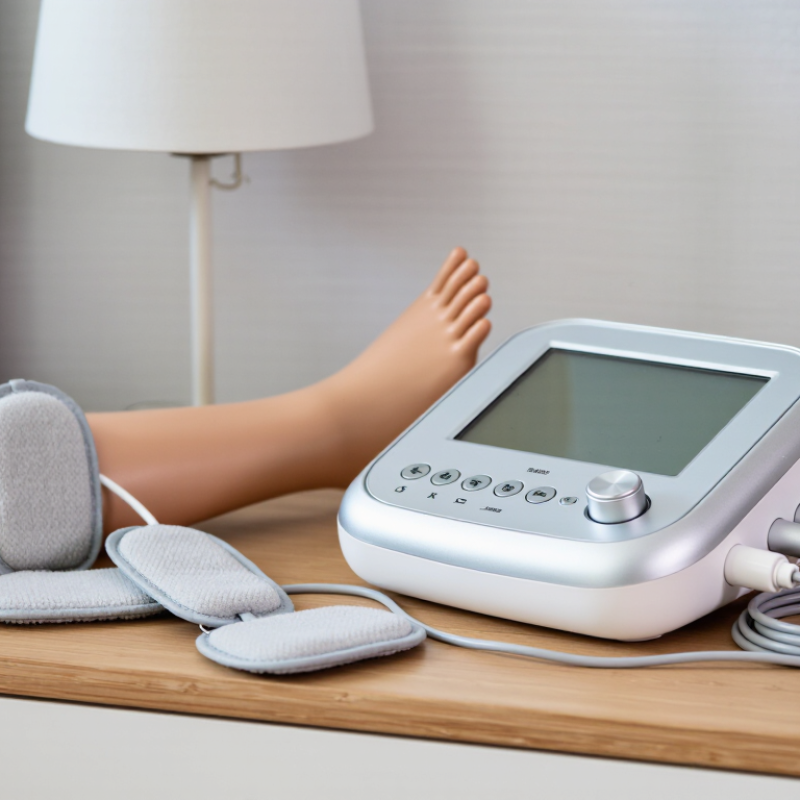
Choosing the right EMS TENS Machine in 2026 is not simply a matter of selecting the strongest electrical output. A useful device must match your purpose, body area, comfort level, and daily routine. EMS mainly stimulates muscles, while TENS commonly targets pain relief through controlled nerve stimulation. Some products combine both functions, but their labels can be confusing. A compact unit may fit beside a bedside lamp, yet still offer adjustable intensity, clear controls, and secure electrode connections.
Professor Mark Johnson, a leading pain researcher in the United Kingdom, has described TENS as “a safe, non-invasive treatment that patients can control themselves.” That principle remains important when comparing modern devices. Personal control matters. So does realistic expectation.
Not every expensive EMS TENS Machine is better.
This guide examines waveform options, electrode quality, battery life, preset programs, safety features, and customer support. It also considers evidence, user experience, and practical design details. For example, electrodes should stay attached during gentle movement, not curl at the edges after several sessions. Intensity should rise gradually, never suddenly.
A perfect choice does not exist. Skin sensitivity, muscle condition, and pain type vary widely. Some users may prefer simple buttons, while others need an app and detailed program control. I may overlook a feature that matters to your specific condition. Therefore, medical advice remains valuable, especially for people with implanted electronic devices, reduced sensation, pregnancy concerns, or unexplained pain. The best machine is not the most powerful one. It is the one used safely, comfortably, and consistently.
What Are EMS and TENS Machines and How Do They Differ?
2026 Best EMS TENS Machine How to Choose One?
EMS and TENS machines use mild electrical pulses, but they target different outcomes. TENS mainly stimulates sensory nerves, producing a controlled tingling that may reduce pain signals. EMS reaches motor nerves and creates visible muscle contractions. In simple terms, TENS is usually pain-focused, while EMS supports muscle activation and rehabilitation. The boundary is not always tidy. Some devices offer both modes.
The World Health Organization reported that 619 million people experienced low back pain in 2020, with cases projected to reach 843 million by 2050. This explains growing interest in non-drug pain management. However, a Cochrane Database review found low-certainty evidence for TENS in several chronic pain conditions. Evidence is useful, but it is not a promise.
Choose according to your purpose. For a dull back ache, gentle TENS settings and flexible electrodes may matter more than maximum intensity. For weak quadriceps after supervised rehabilitation, EMS requires accurate pad placement and visible, comfortable contractions. Avoid judging a machine by pulse strength alone. Check adjustable intensity, timer controls, clear instructions, and safety warnings. People with implanted electronic devices, unexplained pain, reduced sensation, or pregnancy should seek professional advice before use. I would also question vague claims about “muscle building.” A device cannot replace progressive exercise, diagnosis, or skilled therapy.
2026 Best EMS & TENS Machine: How to Choose One?
EMS and TENS devices both deliver controlled electrical pulses through adhesive electrodes, but they are designed for different goals. TENS primarily stimulates sensory nerves for temporary pain relief, while EMS is intended to activate motor nerves and produce muscle contractions.
How to read this chart: The frequencies shown are representative settings commonly used in practice, not fixed limits. TENS may use low-frequency pulses around 1–10 Hz or conventional higher-frequency pulses around 50–120 Hz. EMS commonly uses approximately 20–50 Hz to create repeated muscle contractions. Choose TENS for pain-relief-focused use and EMS for muscle activation or training support.
How EMS and TENS Stimulation Works on the Body
Choosing a 2026 EMS TENS machine starts with understanding what the electrical pulses actually do.
TENS mainly stimulates sensory nerves through adhesive electrodes placed on the skin. These signals may reduce pain perception by influencing nerve messages and natural pain-control pathways. The effect can feel like gentle tingling, tapping, or buzzing. It should not feel sharply painful.
EMS targets motor nerves more directly.
Its pulses can make nearby muscles contract, relax, and contract again. This action may support muscle activation during rehabilitation or help reduce temporary weakness caused by inactivity. EMS does not replace strength training, movement practice, or professional assessment. Stronger stimulation is not automatically better. The body has limits.
A practical machine should offer adjustable intensity, clear controls, secure electrode connections, and separate TENS and EMS settings.
Look for instructions that explain pulse width, frequency, placement, and treatment time. In rehabilitation settings, correct placement matters as much as the device itself. Electrodes should not cover broken skin, the front of the neck, or the chest without qualified guidance. People with implanted electronic devices should ask a healthcare professional before use. Pregnancy, epilepsy, circulation problems, and unexplained pain also deserve medical advice. Evidence can vary between conditions, and home use is not risk-free. Read the manual carefully, monitor the skin, and stop if burning, unusual pain, dizziness, or persistent irritation appears.
Which Features Matter When Choosing an EMS TENS Machine?
Which Features Matter When Choosing an EMS TENS Machine?
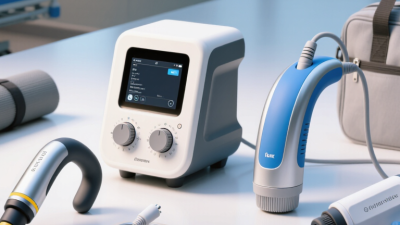
A useful EMS TENS machine should offer adjustable intensity, clear controls, and several treatment modes. TENS is commonly used for pain relief, while EMS targets muscle stimulation. That difference matters. Look for separate settings rather than vague “all-in-one” claims. A readable screen helps when adjusting pulses beside a sofa or treatment table. Wireless controls can be convenient, but only if the connection remains stable.
Electrode quality is easy to overlook. Pads should sit firmly, feel comfortable, and be simple to replace. Check the pad size and cable length for your intended body area. A rechargeable battery may reduce waste, although charging ports can eventually fail. I would also examine the manual, cleaning instructions, warranty, and available safety information. Independent testing is more reassuring than dramatic advertising. No device is perfect.
Tips:
Start with the lowest comfortable intensity and increase slowly. Never place electrodes across the chest, front of the neck, or broken skin. People with implanted electronic devices, certain medical conditions, or pregnancy should ask a qualified healthcare professional before use. Stop if you feel burning, unusual pain, dizziness, or persistent skin irritation. Keep a simple note of settings and results; memory is unreliable. A machine that feels powerful is not automatically better.
How to Match a Device to Your Therapy and Training Needs
2026 Best EMS TENS Machine: How to Choose One?
Matching a device to your needs starts with a clear distinction. TENS mainly targets pain signals through surface electrodes. EMS produces muscle contractions for activation, rehabilitation, or training support. They are not interchangeable. The World Health Organization reported that 619 million people experienced low back pain in 2020, with cases projected to reach 843 million by 2050. That scale makes informed device selection important.
For pain management, choose adjustable intensity, multiple programs, secure leads, and clearly marked electrode placement. A 2020 Cochrane review found very low-certainty evidence for TENS in chronic pain, so treat it as an aid, not a guaranteed solution. For training, look for independent channel control, gradual ramp-up, and enough output range for large muscle groups. Sessions should feel strong but controlled. Not brutal.
A physical therapist or qualified medical professional can help match settings to your condition and goals. Avoid placing electrodes across the chest, front of the neck, or broken skin. People with implanted electronic devices, reduced sensation, pregnancy-related concerns, or unexplained pain need professional advice before use. My practical mistake would be buying the most powerful unit first. More intensity does not automatically mean better recovery, and poor pad placement can turn a promising session into irritating skin and wasted time.
How to Use an EMS TENS Machine Safely and Effectively
How to Use an EMS TENS Machine Safely and Effectively
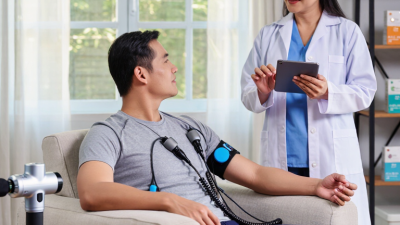
An EMS TENS machine can support muscle stimulation or temporary pain relief when used correctly. TENS usually delivers gentle electrical pulses for pain management, while EMS targets muscle contraction. Read the device instructions and check its intended function before connecting the pads. Clean, dry skin helps them adhere evenly. Place pads around, not directly over, painful areas unless the instructions permit it. Start with the lowest comfortable setting. Increase slowly, never chase a stronger sensation.
Tips:
Check the cables and pads before every session. Avoid broken, irritated, numb, or infected skin. Do not place pads across the chest, front of the neck, head, or directly over the spine. People with implanted electronic devices, certain heart conditions, epilepsy, or pregnancy should ask a qualified healthcare professional before use. This caution matters more than convenience.
Remain seated during your first session, especially if the muscle contracts strongly. Stop immediately if you feel burning, sharp pain, dizziness, unusual heartbeat, or lasting skin redness. Keep sessions within the recommended duration, and allow your skin to rest afterward. Do not sleep, drive, bathe, or exercise heavily while connected. I once assumed a higher setting meant faster relief; that was a poor assumption. Comfort and consistent technique are better guides. If symptoms persist, worsen, or remain unexplained, seek medical advice instead of repeatedly adjusting the machine.