request to quote
Leave Your Message

What Is the Best Pain Relief Equipment to Buy?

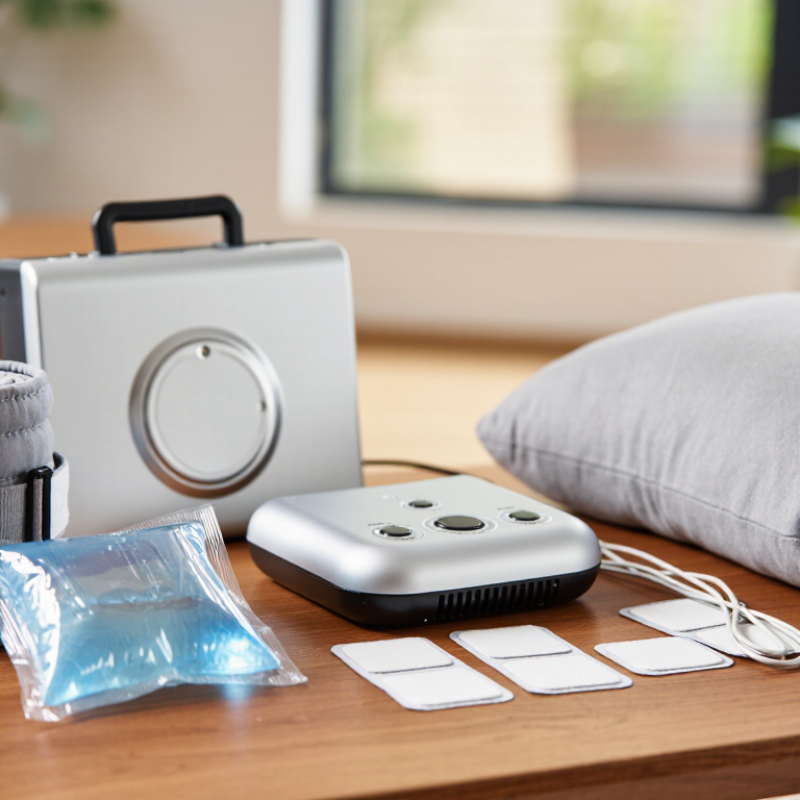
Pain Relief Equipment can mean a reusable heat wrap, a cold pack, a TENS unit, or a supportive cushion. The best choice depends less on popularity than on where pain occurs, what triggers it, and how a device fits into daily life. A runner with a sore ankle may need something different from a person with back discomfort at a desk. Small details matter: controls should be easy to reach, straps should not pinch, and instructions should be clear. Consider how often you will use it and whether setup feels manageable on a tired evening.

This guide compares common devices by intended use, comfort, safety features, and ongoing cost. It also covers what to check before buying, including adjustable settings, cleaning needs, return policies, and any required regulatory clearance. A lower price is not always a better value. Nor does a high rating guarantee relief. That is worth remembering. Pain can have many causes, and a device may ease symptoms without treating the underlying problem. People with persistent, worsening, unexplained, or severe pain should seek advice from a qualified health professional before relying on equipment. If you have reduced sensation, circulation problems, an implanted electrical device, or a recent injury, ask a clinician whether a product is suitable. There is no universal winner. Fit matters. The practical goal is to find a safe, usable option that matches your needs—and to reassess if it does not help.
What Is the Best Pain Relief Equipment to Buy?

Types of Pain Relief Equipment and How They Work

What Is the Best Pain Relief Equipment to Buy?
Types of Pain Relief Equipment and How They Work

Pain-relief equipment works in different ways, so match the device to the discomfort and your daily routine. CDC’s 2024 NCHS Data Brief No. 518 reports that 24.3% of U.S. adults had chronic pain in 2023; 8.5% had pain that frequently limited life or work. That scale matters. A device may help manage symptoms, but it does not identify their cause.

Heating pads warm tight muscles and can make gentle movement feel easier. Cold packs temporarily numb an area and may ease swelling after a minor strain; keep a cloth between the pack and skin. TENS units send mild electrical pulses through skin electrodes. These may alter pain signals for some users, but results vary. NICE guideline NG59 advises against offering TENS for low-back pain, a useful reminder that popular equipment is not universally effective.

Braces and compression supports can steady a joint or provide a feeling of security during activity. Fit matters. A support that is too tight may irritate skin or restrict circulation, while prolonged use can reduce natural movement. Check sizing instructions, adjustability, cleaning needs, and return policies before buying. Not magic. If pain is persistent, worsening, or paired with numbness, ask a qualified clinician which device is appropriate; that step is easy to overlook.
What Is the Best Pain Relief Equipment to Buy?

Typical frequency ranges for selected electrical and acoustic pain-relief devices

Ranges are representative settings, not universal specifications. Device settings vary, and frequency alone does not indicate how effective a treatment will be.

How the equipment works

  • TENS: Delivers mild electrical pulses through skin electrodes to help modulate pain signals.
  • NMES: Uses electrical pulses to make muscles contract; it is commonly used for muscle activation and rehabilitation.
  • Interferential current: Uses intersecting medium-frequency currents, commonly with a lower-frequency modulation, to stimulate tissue.
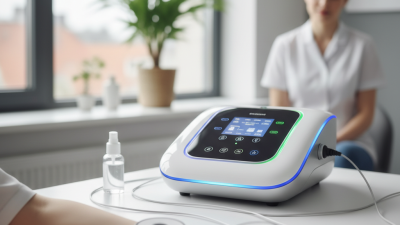
  • Therapeutic ultrasound: Sends sound waves into tissue for therapeutic effects; it is different from diagnostic ultrasound.
  • Heat and cold packs: Provide temperature-based comfort and do not use an electrical or acoustic frequency. Follow product instructions and protect skin.

The best option depends on the cause and location of pain, your health, and intended use. Ask a healthcare professional if pain is persistent, severe, or unexplained.

Matching Equipment to Pain Type and Treatment Goals

What Is the Best Pain Relief Equipment to Buy?

Matching Equipment to Pain Type and Treatment Goals

The right equipment depends on the pain pattern and the task you want to manage. For mild muscle stiffness after gardening, a warm pack may ease tightness before gentle movement. A cold pack can help soothe a recent minor strain or swelling. Wrap it in cloth, and limit each session to about 15–20 minutes. For recurring pain, a TENS device may offer temporary relief, but it does not treat the underlying cause. Results vary. Choose adjustable settings and follow the instructions carefully.

Tips: Match the tool to one clear goal, such as walking longer or relaxing tight shoulders. Check your skin during use. Avoid heat or cold where sensation is reduced, and ask a clinician before using electrical stimulation if you have an implanted device or a health condition that affects sensation.

Comfort matters as much as features. A heating pad that slips off your lower back may be less useful than a smaller, secure wrap. For joint support, a brace should feel steady, not numb or restrictive. I would not choose equipment based on a dramatic product claim alone; pain changes, and home tools can disappoint. If pain is severe, worsening, or limiting daily activity, seek professional advice before buying another device.

What Is the Best Pain Relief Equipment to Buy? — Matching Equipment to Pain Type and Treatment Goals

Pain type or situation Equipment to consider Main treatment goal How to use it Important cautions
Muscle stiffness or mild, persistent muscle aches Reusable heat pack or heating pad with temperature control Promote comfort and ease muscle tightness Apply comfortably warm heat for about 15–20 minutes, checking the skin regularly. Avoid very hot temperatures and do not sleep with an activated heating pad. Use extra caution with reduced skin sensation or circulation problems.
A recent minor sprain, strain, or localized swelling Cold pack or flexible gel pack wrapped in a thin cloth Temporarily ease discomfort and help limit swelling Apply for around 10–15 minutes at a time, then allow the skin to return to its normal temperature. Never place ice directly on skin. Stop if the skin becomes very numb, painful, or unusually pale. Seek medical advice for severe swelling or inability to bear weight.
Some persistent musculoskeletal pain, such as back or knee discomfort Consumer transcutaneous electrical nerve stimulation (TENS) unit Provide temporary pain relief as part of a broader care plan Follow the device instructions; use a comfortable setting and place pads only on the recommended areas. Benefits vary and may be short-term. Ask a clinician before use if you have an implanted electrical device, are pregnant, or have a condition affecting sensation. Do not place pads on the front of the neck or across the chest.
General muscle tightness or limited mobility Foam roller or massage ball Support gentle movement and short-term relief of muscle tightness Roll slowly over muscle tissue using tolerable pressure; start with brief sessions. Do not roll directly over joints, bones, open wounds, or acutely injured areas. Stop if pain is sharp, worsening, or accompanied by numbness.
Post-exercise muscle soreness or muscle tension Low-intensity percussive massager Offer temporary comfort and relaxation for some muscle soreness Use a low setting for a short period on large muscle groups, keeping the device moving. Avoid the head, neck, spine, bones, bruises, and injured or swollen areas. It is not a treatment for the cause of pain; stop if symptoms worsen.
Back discomfort associated with prolonged sitting Adjustable chair support or small lumbar cushion Improve sitting comfort and support a neutral posture Position the support at the lower back and adjust the chair so feet rest flat and the back is supported. No cushion works for everyone. Change position and take regular movement breaks; seek assessment for persistent or worsening pain.
Foot discomfort after long periods of standing or walking Supportive footwear or properly fitted over-the-counter insoles Improve comfort and reduce pressure during daily activity Choose a comfortable fit with adequate room and support; introduce new insoles gradually. Persistent foot pain, wounds, marked swelling, or pain related to diabetes or poor circulation warrants professional advice.

Equipment can support comfort but may not treat the underlying cause of pain. Choose based on your symptoms, intended use, safety instructions, and clinician guidance. Seek prompt medical care for severe or unexplained pain, major injury, new weakness or numbness, fever, or pain that is rapidly worsening.

Key Features to Compare Before Buying

What Is the Best Pain Relief Equipment to Buy?

Key Features to Compare Before Buying

Start with the kind of pain and where it occurs. A heating pad, cold pack, and TENS unit do different jobs; one device rarely suits every situation. The CDC reported that 24.3% of U.S. adults experienced chronic pain in 2023, while 8.5% experienced high-impact chronic pain (MMWR, 2024). That scale makes careful, condition-specific choices important—not a reason to expect one gadget to work for everyone.

Compare adjustable settings, clear controls, and automatic shutoff. For a TENS unit, check intensity steps, timer options, electrode-pad size, and replacement-pad availability. AHRQ’s 2020 systematic review found TENS evidence limited and dependent on the condition, so be wary of broad promises. For heat or cold equipment, inspect temperature controls, washable covers, and how evenly the surface warms or cools. Small details matter. A stiff cable or hard-to-read display can make daily use frustrating.

Safety deserves equal weight. Look for readable instructions, a suitable power source, and warnings that match your health needs. People with implanted electrical devices, reduced sensation, or skin problems should ask a healthcare professional before using electrical stimulation or direct heat. I would not rank devices by feature count alone; more settings can mean more confusion. Compare comfort during a short, supervised trial, and check return terms before buying.

Safety, Contraindications, and Proper Use

Pain-relief equipment can include TENS units, heating pads, cold packs, and massage devices. Choosing one depends on the pain, your health, and the device instructions. The CDC’s 2023 National Health Interview Survey analysis estimated that 24.3% of U.S. adults had chronic pain. That scale matters, but a popular device is not automatically suitable for every person. Small details matter.

Before using electrical stimulation, ask a clinician if you have a pacemaker or implanted defibrillator, are pregnant, or have reduced skin sensation. Keep electrodes away from the front of the neck and across the chest unless a qualified professional directs otherwise.

With heat or cold, wrap the source in cloth and check the skin often; never apply it to numb or poorly circulated areas. Start gently. Stop if you notice burning, unusual redness, dizziness, or worsening pain.

Read the manual, inspect pads and cords, and do not use a heating pad while asleep. A neat rule is tempting, but bodies do not follow neat rules; seek medical advice when pain is severe, persistent, or changing.

Choosing Equipment for Home, Travel, or Clinical Care

What Is the Best Pain Relief Equipment to Buy?

Choosing Equipment for Home, Travel, or Clinical Care

The best device depends on where pain occurs, how often it returns, and what a clinician recommends.

A CDC analysis of 2023 U.S. survey data found that 24.3% of adults had chronic pain, while 8.5% had high-impact chronic pain. Those figures describe a broad need, not proof that one gadget works for everyone.

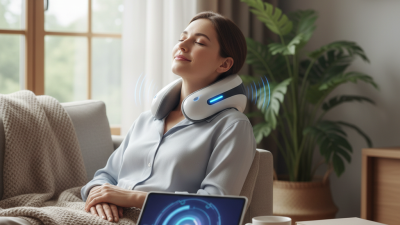
At home, a reusable heat wrap or cold pack can be practical for short, supervised sessions. A transcutaneous electrical nerve stimulation unit may suit some people, but check its instructions and ask a clinician if you have an implanted electrical device or reduced sensation. Keep controls within reach. Small details matter.

For travel, prioritize low weight, secure storage, easy cleaning, and a power source that fits the trip. A bulky device left in a cupboard helps nobody. That still feels incomplete: comfort and ease of use are personal, and trial periods can reveal problems sales descriptions miss.

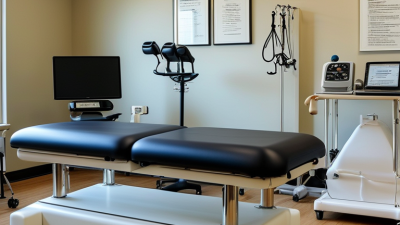
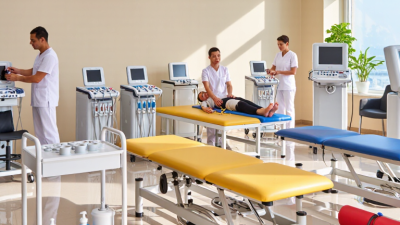
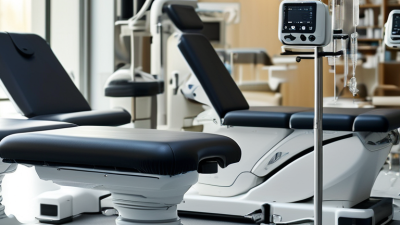
Clinical equipment should be selected and operated by trained professionals, with settings matched to the patient’s condition and response. Ask what outcome is expected, how progress will be measured, and when treatment should stop. Do not buy a device to replace assessment when pain is severe, worsening, or unexplained. A clinician can also check whether a cane, brace, or other support is appropriate; the wrong fit may create new strain.