Choosing a Body Slimming Machine manufacturer in China requires more than comparing prices or catalog photos. Buyers should examine the technology, intended use, clinical evidence, manufacturing controls, and after-sales support. The 2023 ISAPS Global Survey recorded about 19.1 million nonsurgical aesthetic procedures worldwide. This is useful context for demand, but it is not a sales figure for body-contouring devices and does not rank manufacturers. That distinction matters.
For a practical clinical perspective, plastic surgeon Jeffrey Kenkel’s published work on body contouring emphasizes patient selection and realistic expectations. A non-verbatim buyer’s takeaway is: “Match the device to the intended use, and check the evidence behind its claims.” Keep that principle close. A polished brochure is not proof. Ask suppliers for verifiable test records, clear operating instructions, staff-training details, warranty terms, and access to service parts. Check whether specifications match the exact model being quoted, not a similar machine shown in a demonstration room.
This guide compares leading Chinese manufacturers through product focus, export experience, documentation, and support—not marketing language alone. Some public claims are difficult to verify. That should be stated, not glossed over. Buyers should also confirm applicable market requirements independently before purchase. A careful shortlist can help clinics and distributors assess options, while leaving final decisions grounded in evidence, intended use, and local requirements.
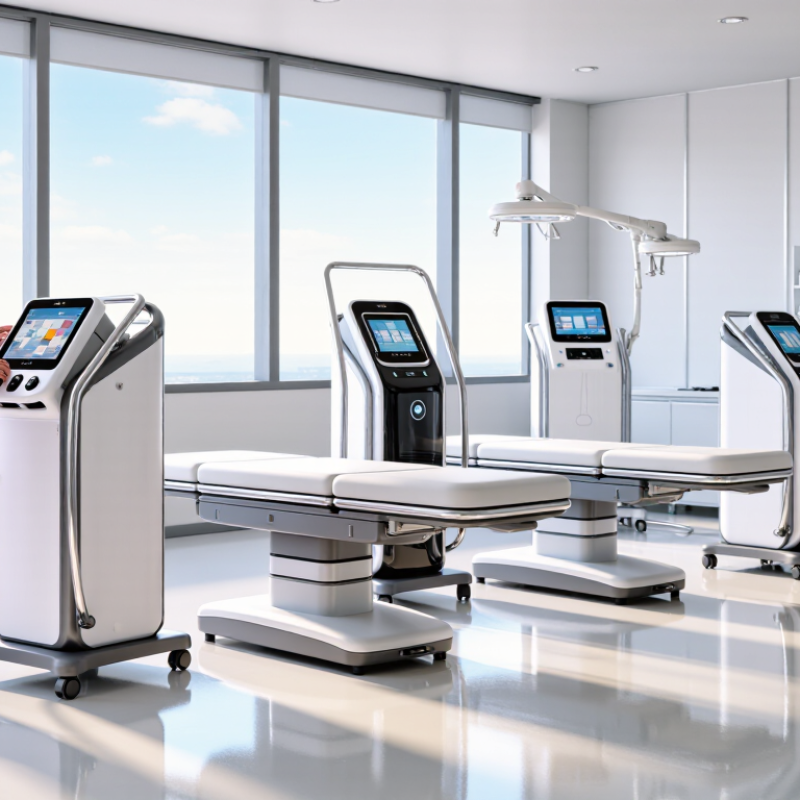
A body-slimming machine is equipment designed to target specific body areas, not a general weight-loss device. Common technologies include radiofrequency for tissue heating, cryolipolysis for controlled cooling, ultrasound for focused energy delivery, and electromagnetic stimulation for muscle activity. Their intended uses differ: some aim to reduce localized fat, while others focus on skin appearance or muscle tone. Results vary by person, treatment area, and device settings.
Technology claims need careful context. The ISAPS 2023 Global Survey recorded about 2.3 million liposuction procedures worldwide. That figure describes surgery, not non-invasive machine treatments, but it shows why body contouring attracts attention. A responsible evaluation should check published clinical evidence, treatment protocols, operator training, and known risks. “Slimming” can be a fuzzy label. It does not mean overall weight reduction, and one session rarely tells the whole story.
Tips: Match the technology to the stated treatment goal. Ask how outcomes are measured, what side effects may occur, and whether follow-up is needed. Keep expectations realistic. A device specification sheet is useful, but it cannot replace independent evidence or a qualified assessment.

For buyers comparing body-slimming machines from Chinese manufacturers, understanding the treatment method matters more than a polished screen.
Radiofrequency (RF) devices deliver energy that warms tissue, which may support collagen remodeling and temporary skin tightening. Sensation often feels like steady warmth, but excessive heat can cause discomfort or burns. Ask how the device monitors temperature and how operators are trained.
Ultrasound devices use sound waves to deliver energy to targeted tissue. Their effects depend on the technology, settings, and treatment area, so “ultrasound” alone does not explain what a machine can do.
Cryolipolysis uses controlled cooling to affect fat cells, which the body clears gradually over time. The treated area may be sore or temporarily numb. Results vary, and this is not a weight-loss method.
EMS devices send electrical impulses that prompt muscle contractions. They may support muscle conditioning, but they should not be presented as direct fat-removal tools.
The distinction matters. When assessing equipment, review testing records, safety controls, maintenance needs, and clear instructions for use. Claims can sound more certain than the evidence. A careful buyer should ask for specifics, not just impressive before-and-after photos.
WHO estimates that 2.5 billion adults were overweight in 2022, including about 890 million living with obesity. That is more than a statistic on a page. It represents people facing different health needs, daily routines, and barriers to care. The figures describe a global health challenge, not a simple demand for smaller bodies. Numbers need context.
For anyone comparing body slimming machine manufacturers in China, this distinction matters. Equipment used for cosmetic body contouring should not be presented as a treatment for obesity or a substitute for medical care. A responsible manufacturer should provide clear operating instructions, explain intended use, and avoid promising weight loss from a single device. Ask what outcome is measured, how it was assessed, and whether the evidence applies to the specific device. Small details matter: a session record, a clearly explained contraindication, or a realistic description of expected changes.
Results can vary. That sounds obvious, yet marketing often makes it easy to forget. Buyers should look for transparent technical information and seek qualified advice when health concerns are involved. A machine may change the appearance of a targeted area, but it cannot address every cause of excess weight. The WHO data deserves attention; so do the people behind it.
When comparing Chinese body-slimming machine manufacturers, treat certificates as evidence to verify, not decoration. The ISO Survey 2022 recorded 38,354 ISO 13485 certificates across 109 countries and economies. Certification alone does not validate a specific device. Ask for the certificate number, issuing body, expiry date, and exact manufacturing site. Check that its scope covers the device’s design and production. A factory may hold certification while a subcontracted site does not. That detail is easy to miss.
For electrical safety, request a full IEC 60601-1 test report from a qualified independent laboratory, not just a logo or one-page declaration. Confirm the model, accessories, test edition, and any deviations match the unit you plan to buy. Review results for leakage current, temperature, and emergency-stop performance. Clinical evidence should specify the protocol, participant count, comparator, endpoints, follow-up, and adverse events. Small studies can look persuasive. Ask whether reported waist or fat changes were measured consistently and independently. Results from one treatment setting may not transfer to another. Prefer audited records over before-and-after photos. If the supplier cannot explain gaps in the data plainly, pause.
Choosing among body slimming machine manufacturers in China is less about the widest catalogue and more about evidence. Compare product ranges by treatment type, adjustable settings, applicator sizes, and parts availability. Ask to see the exact model operating, not just a promotional video. Small details matter.
Check each certificate’s issuer, validity, and scope against the specific model being considered. A certificate for one device may not cover an entire product line. Request user manuals, quality-control records, and clear warranty terms. After-sales support should include response times, troubleshooting steps, spare-part access, and technician training. Ask how support works across time zones. A polished brochure is not proof of dependable service. One comparison gap is often the cost and wait time for replacement parts; these details deserve equal attention. No checklist removes every risk.
Tips: Send the same questions to each supplier. Compare written answers, sample documents, and repair commitments side by side. If a claim is vague, ask for evidence. Be patient; a rushed decision can leave important questions unanswered.
Supplier-neutral comparison guide. No company-specific product, certification, or service claims are made here; verify each item against the actual manufacturer, model, and destination-market requirements.
| Comparison Dimension | What to Compare | Evidence to Request from Each Manufacturer | How to Assess the Evidence |
|---|---|---|---|
| Product range | Available body-contouring technologies, such as radiofrequency, vacuum-assisted treatment, electrical muscle stimulation, and cryolipolysis. | Current product catalogue, model-specific specifications, intended-use statements, and a list of available applicators or handpieces. | Compare models by their stated intended use and technical specifications. Do not assume that different technologies or models have equivalent functions. |
| Technical documentation | Completeness and consistency of operating instructions, safety information, specifications, and maintenance guidance. | Instructions for use, technical data sheet, risk and safety information, maintenance schedule, and model or serial-number identification details. | Check that documents identify the exact model being quoted and are available in a language suitable for the destination market. |
| Quality management | Whether the manufacturer operates a documented quality management system relevant to its activities. | A current quality-management-system certificate showing the certificate holder, site, scope, issuing body, and validity dates. | Verify the certificate with its issuer or an appropriate accreditation source. A certificate for a different entity, site, or scope may not cover the quoted product. |
| Market-access documentation | Regulatory documentation applicable to the product and the country where it will be marketed or used. | Applicable declarations, test reports, product registration records, and supporting technical documentation for the specific model and market. | Requirements depend on product classification and destination. A CE mark or other market-access claim should be checked against the relevant rules and product documentation. |
| Electrical and material compliance | Applicable electrical-safety, electromagnetic-compatibility, and restricted-substance requirements. | Model-specific test reports or declarations, with product identifiers and applicable standards or regulations clearly stated. | Confirm that the evidence covers the supplied configuration, including power supply, accessories, and any included treatment components. |
| Warranty terms | Warranty duration, covered parts, exclusions, labour, shipping responsibility, and the procedure for making a claim. | Written warranty document attached to the quotation or purchase agreement. | Compare the exact terms rather than relying on a general sales statement. Check when coverage starts and who pays transport costs. |
| Training and technical support | Availability of operator training, installation guidance, troubleshooting, and support in the buyer’s time zone and language. | Written support channels, response-time commitments if offered, training materials, and details of any remote or on-site service. | Ask for the support scope in writing and confirm whether training or service is included, optional, or charged separately. |
| Spare parts and repairs | Availability of replacement parts, repair options, and procedures for handling faults after delivery. | Spare-parts list, ordering process, repair workflow, and any stated parts-availability or service terms. | Confirm which parts are replaceable, how faults are diagnosed, and whether repairs require returning the unit to the supplier. |
| Commercial and delivery details | Lead time, packaging, shipping terms, installation requirements, and order-specific configuration. | Formal quotation, pro forma invoice, packing details, and written confirmation of the selected model and accessories. | Compare like-for-like quotations and ensure the delivery terms, included items, and product identifiers are explicit. |
Buyer note: Certification and regulatory requirements vary by product and destination market. Independently verify documents and claims for the exact manufacturer, production site, and model before purchase.