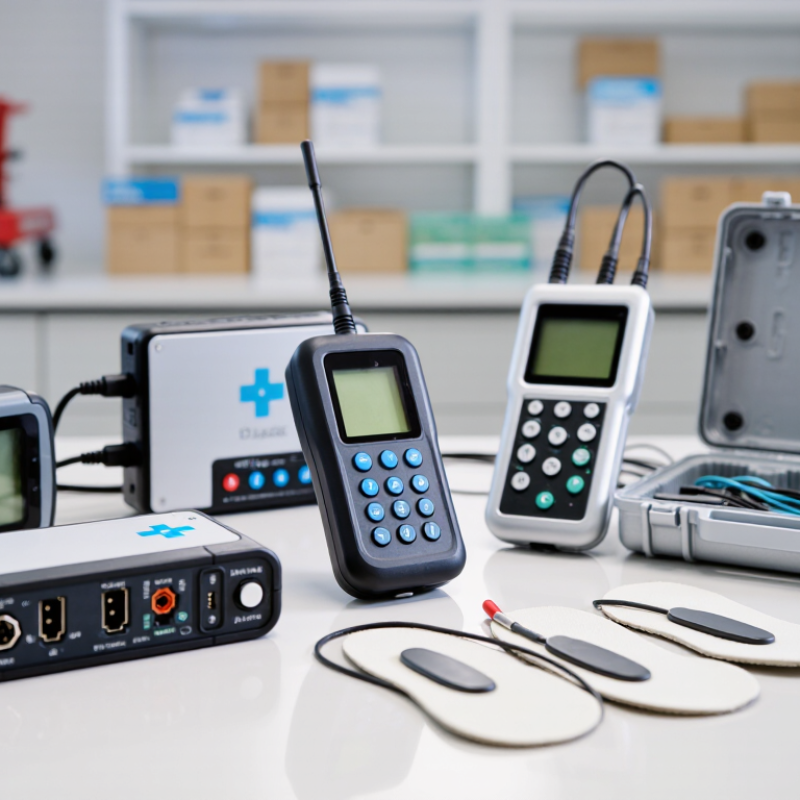
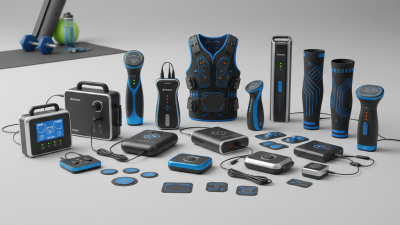
Choosing a reliable EMS Tens Machine supplier in China requires more than comparing catalog prices. Buyers should examine product design, manufacturing experience, testing records, and after-sales support. A professional supplier can explain waveform settings, electrode compatibility, battery performance, display readability, and user safety features without vague promises. Ask for product samples. Test them carefully.
This guide introduces practical methods for evaluating China-based EMS and TENS manufacturers. It considers factory capabilities, OEM and ODM services, minimum order quantities, packaging options, lead times, and communication quality. Buyers should also request clear technical specifications and documentation supporting applicable quality and safety requirements. Certifications can help, but they should be verified against the actual model and production site. A polished website proves little. Small details often reveal more.
Inspect button response, cable strength, charging stability, and pad adhesion during sample testing. Record every issue. Supplier audits, video inspections, and independent testing may reduce purchasing risks. However, no checklist guarantees a perfect partnership. Product performance can vary between samples and mass production. That possibility deserves attention. Reliable cooperation depends on transparent claims, consistent quality control, realistic delivery commitments, and responsive service after shipment. This buyer-focused overview helps importers, distributors, clinics, and private-label brands make more informed decisions when sourcing an EMS Tens Machine from China.
EMS and TENS machines look similar, yet their electrical goals differ. EMS sends pulses that trigger visible muscle contractions. It is commonly used for muscle re-education, rehabilitation, and training support. TENS mainly stimulates sensory nerves to influence pain signals. Users usually feel tingling, not strong movement. A sales page may call both “pain devices.” That wording is convenient, but incomplete.
The need is substantial. The World Health Organization reported that musculoskeletal conditions affect about 1.71 billion people worldwide. Its 2023 low back pain report estimated 619 million cases in 2020. TENS may support short-term pain management, but results vary between conditions and users. EMS is not a replacement for diagnosis, progressive exercise, or supervised rehabilitation. The boundary is not always tidy. Even experienced buyers should question impressive claims.
Tips: Ask suppliers for output specifications, electrode materials, waveform details, and test reports. Check quality systems aligned with ISO 13485 and electrical safety testing under relevant IEC standards. Request clinical evidence for the stated application, not generic laboratory data. Avoid products with unclear contraindications, especially for users with implanted electronic devices or reduced sensation. A practical trial matters: skin comfort, control accuracy, battery stability, and readable instructions often reveal more than a polished brochure. WHO guidance is useful, but it does not validate every commercial device.
When evaluating EMS and TENS devices, specifications matter more than attractive casing. A 2024 Grand View Research analysis projects steady growth in the global TENS unit market through 2030, driven partly by home use. Buyers should therefore examine measurable performance, not only sales volume.
Check frequency, pulse width, output intensity, waveform, and channel control. TENS devices commonly operate across low and medium frequencies, while EMS often requires stronger pulses and adjustable ramp times. Independent testing should confirm stable output under changing skin resistance. Look for clear intensity steps, usually shown in milliampere values, and controls that prevent sudden increases. Short pulses help comfort, but comfort is not proof of effectiveness.
Safety details deserve equal attention. IEC 60601-2-10 covers requirements for nerve and muscle stimulators, while biocompatibility testing should address electrodes and skin-contact materials. Reviewers should request test reports, leakage-current results, battery data, and temperature measurements. A 2023 industry survey by Research and Markets noted that portability and rechargeable power are major purchasing factors in home electrotherapy, yet battery quality can vary widely. That deserves scrutiny.
Ask about electrode size, connector durability, timer accuracy, and multilingual instructions. Small details matter. A device may offer many programs but poor waveform consistency. That is easy to miss during a short demonstration. Suppliers should provide traceable quality records, production inspection data, and realistic clinical-use guidance. No single preset suits every user, and marketing claims should never replace professional assessment.
China Top EMS TENS Machine Suppliers Buyers Guide
How to Assess Chinese EMS and TENS Machine Suppliers
Assessing a Chinese EMS or TENS supplier requires more than checking a polished website. Request the factory address, business license, production scope, and quality management records. A video call is useful, but an on-site audit reveals more. Watch how workers handle electrode pads, cables, batteries, and final packaging. Small details matter.
Ask for complete technical files. These should include waveform settings, pulse width, frequency range, output limits, user instructions, and risk analysis. Confirm whether testing covers electrical safety, electromagnetic compatibility, battery performance, and material biocompatibility. Requirements differ by target market, so the supplier should explain its compliance pathway clearly. Vague certificates deserve careful questioning.
Test samples from different production batches. Do not judge one perfect unit. Compare channel output, button response, display accuracy, charging time, and electrode adhesion. Test the device after repeated use. See the line. Review calibration records and traceability codes. A dependable supplier can identify components, operators, inspection results, and shipment dates.
Experience also means noticing what documents fail to explain. Ask how complaints are investigated and how design changes are approved. Check whether quality staff can discuss nonconforming products without hesitation. I still question suppliers that promise every specification immediately; honest engineers usually identify limits. Price is only one part of the decision. Stable components, controlled assembly, responsive communication, and verified testing protect the buyer from expensive surprises.
Key international standards to verify when assessing Chinese EMS and TENS machine suppliers
The chart shows the publication year of the latest commonly referenced editions or amendments for major medical-device standards relevant to EMS and TENS equipment. Buyers should request applicable certificates, technical files, risk-management records, electrical-safety test reports, and evidence that the supplier’s current products are covered.
When evaluating China-based EMS and TENS machine suppliers, buyers should examine evidence, not polished brochures. Ask for current certificates covering the intended sales market, such as ISO 13485 and applicable medical-device approvals. Check the certificate number, issuing body, scope, and expiration date. Do not accept scanned documents without verification. Requirements vary by country. That detail matters.
Quality control should be visible on the factory floor. Request incoming inspection records for circuit boards, batteries, cables, and electrode pads. Inspectors should verify output intensity, pulse frequency, timer accuracy, charging safety, and enclosure strength. Each unit needs a traceable batch code. Review calibration schedules and failure records, not only final inspection results. Small gaps remain. An honest supplier explains them and shows corrective actions instead of hiding defects.
Customization can cover waveform settings, treatment programs, firmware, electrode sizes, casing colors, packaging, labels, and user manuals. Confirm which changes affect safety testing or regulatory documents before approving samples. Ask for a working prototype, test report, and written revision history. Firmware changes deserve special attention because a small software error may alter stimulation performance. Electrode materials also require consistent skin-contact documentation. Sampling should include repeated production units, not one carefully prepared sample. A lower price can be attractive, but unclear traceability often creates larger costs later.
China Top EMS TENS Machine Suppliers Buyers Guide: Pricing, Ordering, and Import Considerations for Buyers
Pricing for EMS and TENS machines depends on output settings, electrode quality, display type, packaging, and order volume. A basic unit may cost less, but poor pads can increase replacement expenses. Request a detailed quotation, including accessories, spare parts, packaging, and inspection fees. Ask whether the price is based on EXW, FOB, or another shipping term. The lowest quote is not always the lowest landed cost.
Before ordering, request samples from several qualified suppliers. Test pulse stability, button response, battery life, and electrode connection. Keep written specifications for frequency ranges, timer settings, labeling, and user instructions. Confirm the minimum order quantity and production lead time. A small trial order can expose problems early. It may also reveal that your preferred packaging is more expensive than expected.
Import planning requires careful document checks. Verify product classification, commercial invoices, packing lists, certificates, and test reports with your customs advisor. Confirm voltage, plug type, language requirements, and destination-market rules before production. Ask for serial-number tracking and batch records when appropriate. Do not rely on copied documents. One practical lesson is easy to miss: shipping damage can affect returns more than factory pricing. Use protective packaging, define inspection standards, and record defects with photographs. Some assumptions will be wrong. Review them before placing the next order.
| Evaluation Dimension | Typical Market Information | Buyer Considerations | Recommended Verification |
|---|---|---|---|
| Product Category | Portable transcutaneous electrical nerve stimulation (TENS) units, EMS stimulators, or combined TENS/EMS devices. | TENS is generally intended for pain-relief applications, while EMS is designed for muscle stimulation. Intended use affects compliance requirements. | Request the intended-use statement, user manual, product classification, and electrical specifications before ordering. |
| Indicative Unit Pricing | Approximately USD 8–20 for basic private-label units, USD 20–45 for more advanced multi-mode devices, and USD 45–100+ for specialized or clinically oriented configurations, generally on an FOB China basis. | Pricing varies with channels, waveform options, display type, battery configuration, accessories, packaging, compliance documentation, and order volume. | Obtain a written quotation that separates product cost, tooling, packaging, testing, certification, freight, and payment charges. |
| Minimum Order Quantity (MOQ) | Common private-label quantities may range from approximately 100 to 1,000 units. Standard products may be available in smaller trial quantities. | Custom colors, packaging, software, molds, or electronics can increase the MOQ and require separate development fees. | Confirm MOQ by stock product, private label, packaging customization, and fully customized design. |
| Sample and Development Timing | Samples are often available within approximately 3–10 business days when the product is in stock. Custom samples may take around 2–6 weeks. | Timing depends on artwork approval, firmware changes, tooling, packaging design, and laboratory testing. | Set written approval milestones for technical specifications, artwork, pilot samples, and pre-production units. |
| Mass-Production Lead Time | A typical repeat order may require approximately 20–45 days after payment and final approval. New or customized products may require 45–90 days or more. | Chinese public holidays, component availability, certification testing, and packaging production can extend the schedule. | Include a delivery date, delay-notification process, inspection point, and remedy for late shipment in the purchase agreement. |
| Core Technical Specifications | Important parameters include output channels, intensity range, pulse frequency, pulse width, waveform, treatment timer, load detection, electrode compatibility, and power source. | Published ranges alone do not confirm performance, safety, or clinical suitability. The device should operate consistently across the specified load range. | Request a complete datasheet, circuit or functional description where appropriate, test reports, and a production inspection checklist. |
| Power and Battery Requirements | Products may use replaceable batteries, rechargeable lithium-ion batteries, or USB-powered configurations. Battery capacity and charger specifications differ by model. | Rechargeable lithium batteries can affect transport documentation, packaging, labeling, and air-freight acceptance. | Request battery test documents, charger ratings, UN 38.3 evidence where applicable, and transport classification before shipment. |
| Quality Management | A medical-device quality system is commonly assessed against ISO 13485, while general manufacturing quality may also reference ISO 9001. | A certificate alone does not prove that the exact product or manufacturing site is covered within its valid scope. | Check certificate validity, issuing body, legal manufacturer, manufacturing address, product scope, and expiration date. |
| Regulatory Documentation | Depending on the destination and intended use, documentation may include risk management records, technical files, declaration of conformity, electrical safety, EMC, biocompatibility, labeling, and clinical evidence. | CE marking, FDA-related requirements, UKCA, or other market approvals are not automatically interchangeable and may depend on device classification. | Confirm requirements with the destination-country regulator or an authorized compliance specialist before placing the order. |
| Packaging and Labeling | Typical packaging may include the device, electrode pads, lead wires, battery or charger, user manual, storage instructions, warnings, and traceability information. | Labels may need importer details, model number, serial or batch information, electrical ratings, disposal symbols, language translations, and regulatory marks. | Approve a final packaging proof and verify that the contents, symbols, warnings, and language match destination-market rules. |
| Shipping Terms | Common Incoterms include EXW, FOB, FCA, CIF, and DDP. Freight cost depends on shipment size, destination, transport mode, and battery status. | The importer should understand who is responsible for export clearance, freight, insurance, import duties, taxes, customs brokerage, and delivery. | Compare quotations using the same Incoterm and request a complete landed-cost estimate before purchase approval. |
| Import Classification | TENS and EMS products may be classified differently by customs authorities depending on technical characteristics, intended use, and destination-country tariff rules. | A supplier’s suggested HS code is not a binding customs ruling. Incorrect classification can cause delays, duty reassessment, or compliance issues. | Confirm the tariff classification, duty rate, import permits, and local registration requirements with the destination customs authority or licensed broker. |
| Pre-Shipment Inspection | Inspection may cover quantity, appearance, dimensions, output performance, battery charging, accessories, labeling, packaging, and random functional testing. | Inspection is more effective when acceptance criteria are written before production rather than based only on visual checks. | Use an approved inspection standard, define acceptable quality limits, and retain batch records, photographs, and test results. |
| After-Sales and Warranty | Commercial warranties commonly range from 12 to 24 months, while electrode pads and other consumables may have shorter service lives. | Warranty coverage should distinguish manufacturing defects from consumable wear, misuse, battery aging, and unauthorized modifications. | Specify replacement parts, response times, return procedures, technical support, repair responsibility, and the process for handling safety complaints. |
| Total Landed Cost | Total cost may include unit price, sampling, tooling, artwork, certification, inspection, inland transport, ocean or air freight, insurance, customs duty, VAT or sales tax, brokerage, and warehousing. | A low factory quotation may not be the lowest delivered cost after compliance, logistics, taxes, and after-sales obligations are included. | Prepare a landed-cost model using the actual destination, shipment quantity, product weight, Incoterm, tax rate, and compliance expenses. |

Note: Pricing, quantities, lead times, and compliance requirements are indicative ranges for buyer planning only. Final requirements depend on the product design, intended use, destination market, order volume, and applicable regulations.