What is a Therapy Machine and How Does It Work?
The concept of a Therapy Machine is gaining momentum in modern health treatments. These innovative devices aim to alleviate pain and enhance recovery, providing targeted therapy solutions. A Therapy Machine uses advanced technology to deliver therapeutic outcomes effectively.
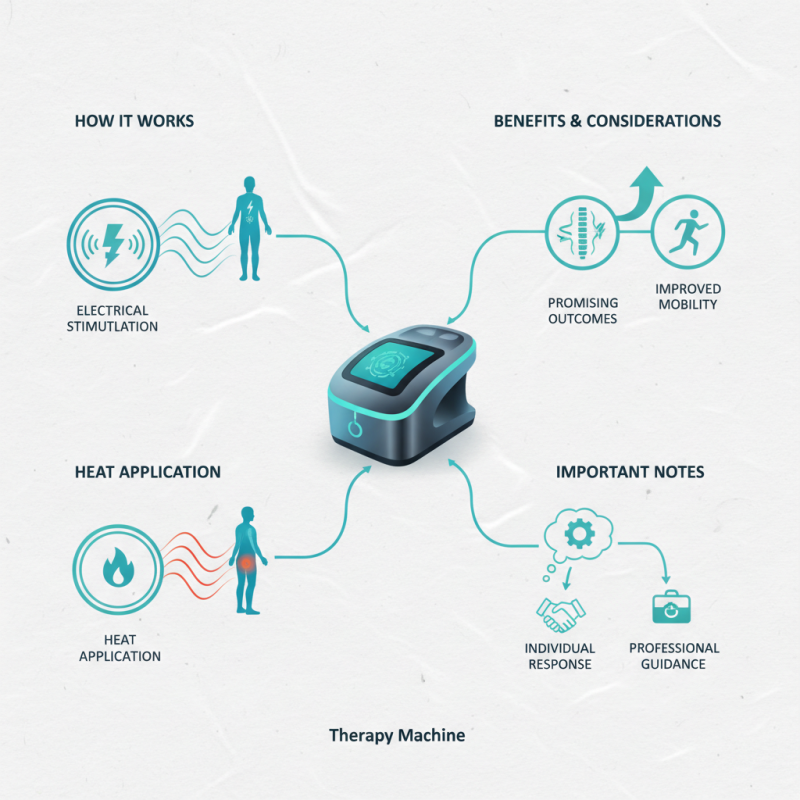
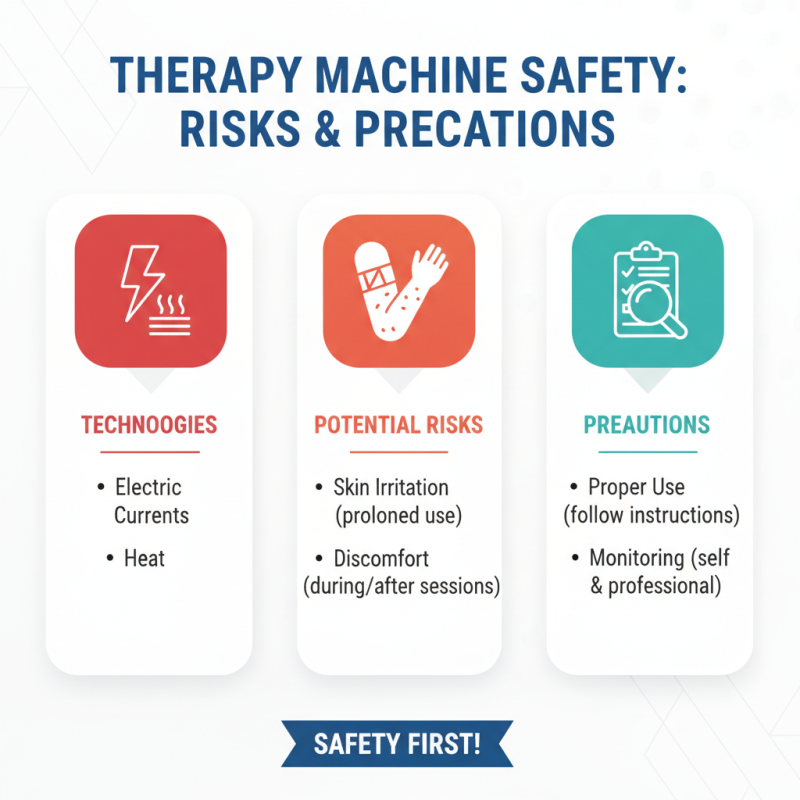
These machines often utilize methods like electrical stimulation or heat applications. Patients can experience relief from chronic pain and improved mobility. However, it’s essential to understand that each individual responds differently to therapy. Personalization is critical for effective results.
While the benefits are promising, some users may not achieve the desired outcomes. This inconsistency highlights the importance of professional guidance when using a Therapy Machine. Individuals should consider their unique symptoms and consult with a healthcare provider. The exploration of such devices prompts a deeper evaluation of how technology intersects with wellness.
Definition and Overview of Therapy Machines
Therapy machines are devices designed to aid in physical rehabilitation and pain management. They use various technologies, including electrical stimulation, heat, and ultrasound. Each type targets specific issues. These machines can be found in clinics, gyms, and even homes.
The primary function of a therapy machine is to promote healing and improve mobility. For example, electrotherapy machines stimulate muscles and nerves. This can enhance recovery from injuries. Ultrasound therapy can reduce inflammation and increase blood flow. Despite their benefits, it’s essential to consider proper usage. Improper application can lead to minimal results or even worsen conditions.
Training and understanding a therapy machine's mechanics are vital. Users should not rely solely on machines. While they are helpful, they cannot replace hands-on therapy. Caution is also crucial when selecting therapy machines. Consulting with a healthcare professional can help determine suitability.
What is a Therapy Machine and How Does It Work? - Definition and Overview of Therapy Machines
| Therapy Machine Type |
Definition |
How It Works |
Common Uses |
| Ultrasound Therapy Machine |
A device that uses sound waves to promote healing. |
It emits ultrasonic waves that penetrate tissues, enhancing circulation and reducing inflammation. |
Physical therapy, pain management, and soft tissue injuries. |
| Electrical Stimulation Machine |
A device that sends electrical impulses to stimulate muscles. |
It delivers controlled electrical pulses that cause muscle contractions, improving strength and circulation. |
Rehabilitation post-injury, reducing muscle spasms, and pain relief. |
| Infrared Therapy Machine |
A device that uses infrared light to promote tissue healing. |
It emits infrared radiation that penetrates the skin, enhancing blood flow and cell repair. |
Muscle pain relief, arthritis treatment, and skin healing. |
| Cryotherapy Machine |
A device that applies cold temperatures to the body. |
It cools the targeted area to decrease inflammation and speed up recovery. |
Sports injuries, pain management, and swelling reduction. |
| Hydrotherapy Machine |
A device that uses water for therapeutic purposes. |
Involves exercises done in water or using water jets to relieve pain and promote relaxation. |
Chronic pain treatment, rehabilitation, and muscle relaxation. |
Types of Therapy Machines and Their Uses
Therapy machines come in various types, each designed for specific therapeutic uses. One common type is the TENS unit, which delivers mild electrical currents to relieve pain. According to a 2022 report by the International Pain Foundation, around 26% of patients using TENS reported significant pain reduction. This machine is often used in rehabilitation settings or for chronic pain management.
Another prevalent category is ultrasound therapy machines. They utilize sound waves to promote tissue healing and reduce inflammation. Research indicates that ultrasound therapy can enhance recovery time by up to 50% in soft tissue injuries. However, it's crucial to use these machines under professional supervision to prevent misuse and achieve optimal results.
Infrared therapy machines also play a vital role in pain reduction and muscle relaxation. They work by penetrating the skin to improve circulation and stimulate cell regeneration. A study published in "Therapeutic Advances in Musculoskeletal Disease" highlights that about 70% of patients experienced improved mobility after 10 sessions. However, some patients report discomfort, indicating a need for better customization in treatment plans. This variability underlines the importance of ongoing assessment and adjustment in therapy machine applications, emphasizing the need for expertise in their usage.
Therapy Machines Usage by Type
This chart illustrates the various types of therapy machines and their usage rates in different therapeutic contexts. The data reflects the percentage of usage for each type based on a survey conducted in healthcare facilities.
Mechanisms of Action in Therapy Machines
Therapy machines utilize various mechanisms of action to promote healing and recovery. They often employ methods such as electrotherapy, thermal therapy, or mechanical manipulation. Each of these techniques aims to target specific bodily functions, enhancing circulation and reducing pain. For instance, electrotherapy can stimulate muscle contractions, which aids in muscle strengthening and rehabilitation. This mechanism can be beneficial for both acute injuries and chronic conditions.
The effectiveness of therapy machines largely depends on the placement and settings used during treatment. Improper use may lead to suboptimal results, or even discomfort. Understanding the body’s response to these machines is essential for maximizing their potential benefits. Many users need to reflect on how their individual conditions influence treatment. A tailored approach to therapy is often necessary to achieve the best outcomes.
Additionally, ongoing research is exploring the underlying physiological changes initiated by therapy machines. These studies contribute to our understanding of how different modalities can influence healing at a cellular level. The integration of such knowledge into practice can elevate patient care. As we delve deeper into these mechanisms, the importance of expert guidance becomes apparent. Each user's experience may vary, making personalized care essential for effective therapy.
Benefits and Effectiveness of Therapy Machines
Therapy machines have gained popularity in various fields, particularly in physical rehabilitation. They provide a range of functions, including pain relief and muscle stimulation. According to a report by the National Institutes of Health, approximately 85% of patients experience significant pain relief after regular therapy machine sessions. This statistic highlights the effectiveness of these devices in promoting recovery.
Many users report improved mobility and enhanced muscle strength after treatment. The machines use different modalities, such as electrical stimulation, ultrasound, and heat therapy. The benefits extend beyond pain relief; individuals also notice improvements in circulation and tissue healing. A study published in the Journal of Rehabilitation Medicine found that 74% of participants experienced better overall function after using therapy machines consistently.
However, it's essential to consider that not all patients respond equally. Some may experience mild discomfort, while others might require longer sessions to see desired results. Understanding individual differences is crucial in assessing the effectiveness of therapy machines. Ongoing research is vital to optimize usage and ensure the best outcomes for diverse patient populations.