Top 10 Smart Therapy Machines Revolutionizing Health and Wellness Today
In today's fast-paced world, the integration of technology into health and wellness has paved the way for innovative solutions aimed at enhancing our well-being. Among these advancements, Smart Therapy Machines have emerged as transformative tools that are revolutionizing the way we approach physical and mental health. These intelligent devices leverage advanced technologies, such as artificial intelligence and data analytics, to provide personalized therapy experiences that cater to individual needs.
As the demand for effective and accessible health solutions grows, Smart Therapy Machines offer a modern response to traditional therapeutic methods. By enhancing the efficacy of treatments and providing a more user-friendly experience, these machines empower individuals to take control of their own health journeys. This article explores the top ten Smart Therapy Machines that are currently making significant impacts in the health and wellness sector, showcasing their capabilities, benefits, and the future of therapy in an increasingly digital world.
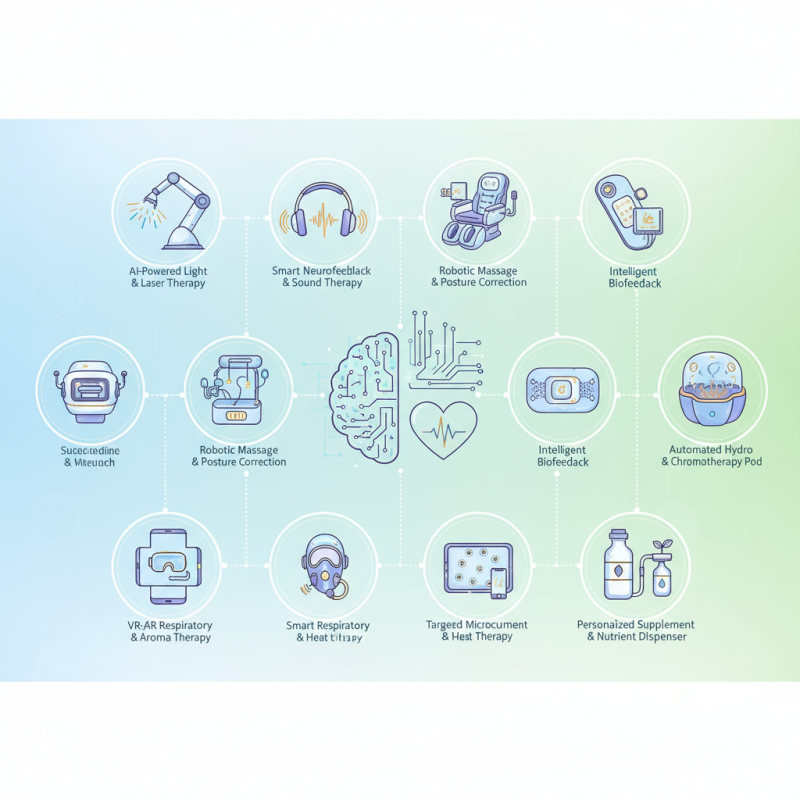
Emergence of Smart Therapy Machines in Modern Healthcare
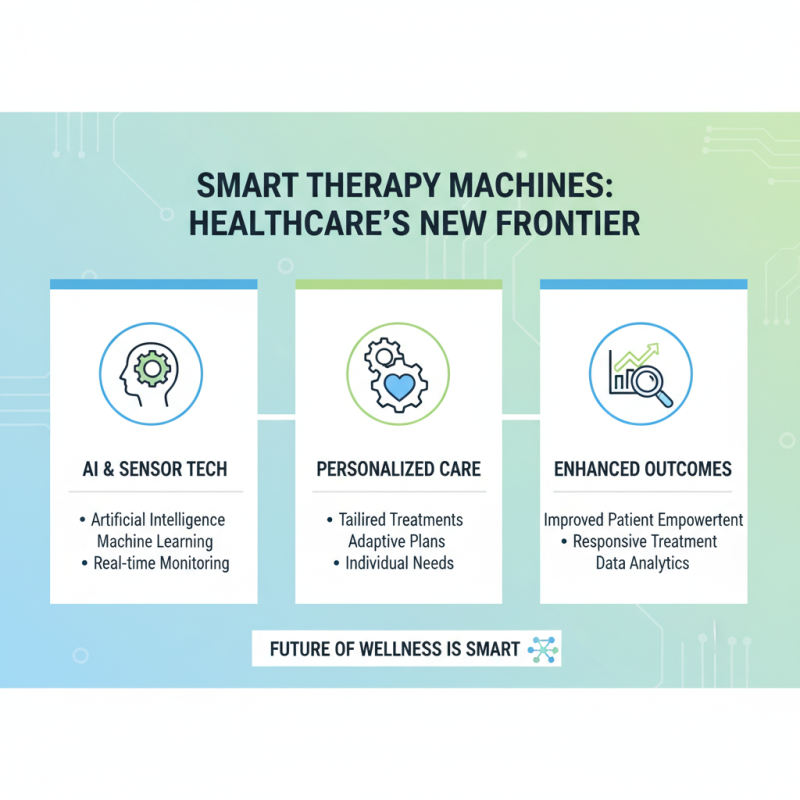
The emergence of smart therapy machines marks a significant advancement in modern healthcare, where technology intertwines seamlessly with medical treatment. These innovative devices harness the power of artificial intelligence, machine learning, and sensor technology to enhance therapeutic interventions. By providing personalized care, they empower both patients and healthcare providers, fostering a more responsive treatment environment. Smart therapy machines offer real-time health monitoring and data analytics, allowing for tailored treatment plans that adapt to the unique needs of individuals.
Moreover, these machines are transforming rehabilitation and pain management practices, enabling patients to engage in therapies from the comfort of their homes. By reducing the need for frequent in-person visits, they alleviate the burden on healthcare facilities while promoting patient autonomy. Telehealth integration further enhances their effectiveness, bridging the gap between remote patients and healthcare professionals. Ultimately, smart therapy machines symbolize a shift towards a more efficient, patient-centered healthcare system, paving the way for innovative solutions to improve overall health and wellness.
Key Features of Top Smart Therapy Machines for Wellness
The landscape of health and wellness is rapidly transforming with the introduction of smart therapy machines, designed to enhance the effectiveness of treatments while improving user experience. These devices often incorporate advanced technologies such as artificial intelligence and machine learning, allowing for personalized therapy regimens. According to a report by Grand View Research, the global smart therapy device market size was valued at USD 7.1 billion in 2021, and is projected to witness a compound annual growth rate (CAGR) of 27.4% from 2022 to 2030. This staggering growth reflects the increasing demand for innovative health solutions that cater to individual wellness needs.
Key features of leading smart therapy machines include user-friendly interfaces and comprehensive tracking capabilities. Many devices utilize biometric feedback to tailor treatments in real time, adjusting parameters such as intensity or duration based on users’ physiological responses. Furthermore, the integration of mobile applications allows for seamless communication between the device and the user, enabling remote monitoring by health professionals. A study published in the Journal of Medical Internet Research indicates that therapy devices equipped with mobile connectivity resulted in a 30% increase in treatment adherence among patients. This trend towards connected health technology is enhancing patient engagement and ultimately driving better health outcomes.
Impact of Smart Therapy Machines on Patient Care and Recovery
The integration of smart therapy machines into healthcare has significantly transformed patient care and recovery processes. These advanced devices utilize artificial intelligence and data analytics to personalize treatment plans, enabling healthcare professionals to tailor interventions based on individual patient needs. By continuously monitoring patients' vital signs and response to therapies, smart machines facilitate timely adjustments to treatment protocols, improving overall outcomes and enhancing the efficiency of healthcare delivery.
Moreover, smart therapy machines are revolutionizing rehabilitation by providing real-time feedback and virtual support. Patients can engage with these machines in familiar environments, promoting adherence to rehabilitation exercises and ultimately leading to quicker recovery times. With features such as gamification and interactive interfaces, these devices not only motivate patients but also make therapy more engaging and less intimidating. The result is a more holistic approach to health and wellness, where technology plays a crucial role in empowering patients on their journey toward recovery.
Impact of Smart Therapy Machines on Patient Care and Recovery
Comparative Analysis of Leading Smart Therapy Technologies
The landscape of health and wellness is undergoing a significant transformation with the introduction of smart therapy machines. These advanced technologies leverage cutting-edge algorithms and data analytics to create personalized treatment plans that cater to individual health needs. For instance, devices utilizing artificial intelligence can assess user metrics in real time, such as heart rate and sleep patterns, facilitating tailored interventions that enhance recovery and preventive care. This personalized approach promises to optimize outcomes for users, making therapy more effective and engaging.
When examining the leading smart therapy technologies, one can observe a variety of methodologies employed. Some machines focus on physical rehabilitation, using smart sensors to ensure proper form and provide feedback during exercises. Others concentrate on mental wellness, offering interactive platforms that utilize guided meditation and cognitive behavioral therapy techniques. Furthermore, the integration of mobile applications enhances user experience by allowing individuals to track progress, set goals, and receive motivational support. These diverse strategies highlight the adaptability of smart therapy machines, addressing a broad spectrum of health issues and paving the way for more comprehensive care solutions in the future.
Top 10 Smart Therapy Machines Revolutionizing Health and Wellness Today
| Therapy Type |
Technology Used |
Key Benefits |
User Experience Rating (out of 5) |
Price Range (USD) |
| TENS Unit |
Electronics |
Pain relief, muscle stimulation |
4.5 |
50-150 |
| Massage Chair |
Robotics |
Deep tissue massage, relaxation |
4.7 |
800-4000 |
| Infrared Therapy Device |
Heat Therapy |
Improved circulation, pain reduction |
4.3 |
100-300 |
| Electrical Stimulation Device |
Electromagnetic Fields |
Pain management, muscle strength |
4.4 |
200-600 |
| Smart Foam Roller |
Smart Sensors |
Enhanced muscle recovery, pain relief |
4.6 |
90-250 |
| Light Therapy Device |
LED Technology |
Skin treatment, mood enhancement |
4.2 |
200-500 |
| Electroacupuncture Device |
Acupuncture + Electrotherapy |
Pain relief, holistic therapy |
4.5 |
100-400 |
| VR Therapy System |
Virtual Reality |
Stress reduction, immersive therapy |
4.8 |
300-1500 |
| Smart Health Tracker |
Wearable Technology |
Health monitoring, activity tracking |
4.5 |
50-250 |
| Biofeedback Device |
Sensor Technology |
Stress management, performance enhancement |
4.4 |
100-350 |
Future Trends in Smart Therapy Devices and Their Applications
The landscape of health and wellness is undergoing a transformational shift driven by the integration of smart therapy devices. As the global smart health market is projected to reach approximately $232 billion by 2024, the synergy between technology and healthcare is fostering innovative solutions that enhance patient outcomes and improve accessibility. Future trends indicate a growing presence of artificial intelligence and machine learning in therapy devices, allowing for personalized treatment plans that adapt in real-time to a patient's unique physiological responses.
One significant trend is the rising use of remote monitoring devices that enable healthcare providers to track patients' conditions from the comfort of their homes. According to a report by the World Health Organization, the use of telemedicine has surged, driven by an increased demand for convenient healthcare options. This shift not only reduces the burden on healthcare facilities but also empowers patients to take an active role in their health management. Moreover, advanced biofeedback and neuromodulation devices are being integrated into therapy regimens, providing patients with immediate feedback and fostering adherence to treatment.
Tips: As you explore smart therapy devices, be sure to prioritize those that offer extensive data privacy and security measures. Patient data protection is paramount in this evolving landscape. Additionally, stay informed on emerging technologies by following reputable health tech publications and attending industry conferences to understand how these innovations may benefit your wellness journey. Embracing these advancements can lead to better patient empowerment and tailored care solutions in the coming years.