Smart Therapy Machine Tips for Effective Pain Management?
In today's fast-paced world, managing pain effectively remains a challenge for many. The rise of technology introduces innovative solutions, such as the Smart Therapy Machine. These machines offer a new approach, combining advanced features to cater to individual pain management needs. They are designed to provide targeted relief through customizable settings.
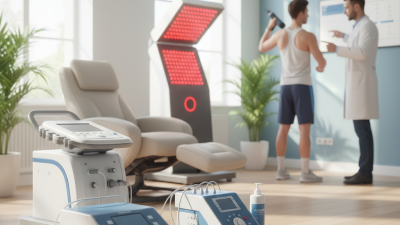
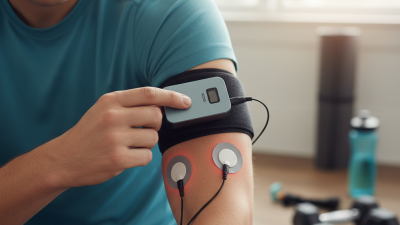
Utilizing the Smart Therapy Machine can enhance one’s treatment strategy. These devices often include various modalities, such as heat, vibration, and electrical stimulation, allowing users to experience personalized therapy. However, results can vary significantly based on user experience and device settings. Awareness of one’s body and pain patterns is essential in finding the right balance.
With promising advancements, doubts can still linger. Users may question the effectiveness of these machines in the long run. Investing time in understanding how the Smart Therapy Machine works is crucial. Continuous feedback and adjustment ensure that users can benefit fully from this technology. Combining technology with self-awareness may lead to greater pain management outcomes.
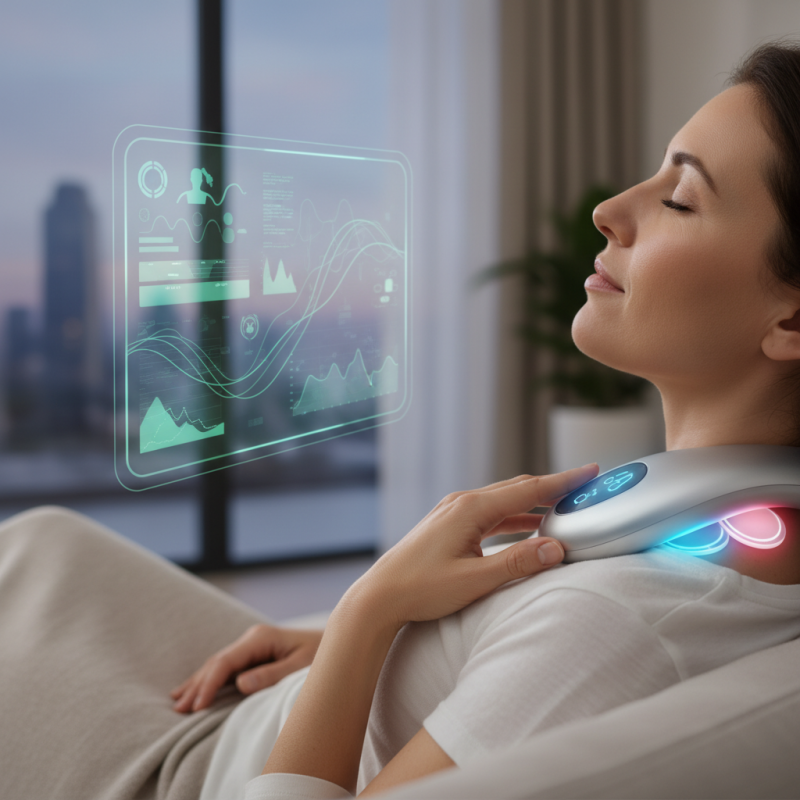
Understanding Smart Therapy Machines in Pain Management
Smart therapy machines represent a significant advancement in pain management. These devices typically use technologies like electrical stimulation, heat, and biofeedback to help alleviate discomfort. Users often find them more appealing due to their non-invasive nature and ease of use. Many people report varied successes, which often leads to questions about their effectiveness.
These machines are designed to target specific areas. Patients can often adjust settings according to their pain levels. However, it’s essential to understand that results can vary widely among individuals. Some may feel immediate relief, while others may require multiple sessions to notice any improvement. This inconsistency can be frustrating and calls for more research to understand long-term benefits and risks.
It’s important to approach smart therapy machines with realistic expectations. While they offer potential solutions, they are not a cure-all. Many still need additional therapies or medications. Seeking professional advice can enhance the effectiveness of these devices in a comprehensive pain management plan. Engaging with healthcare providers can provide insights into the best usage and integration of these innovative solutions into individual treatment journeys.
Key Features of Effective Smart Therapy Machines
Smart therapy machines offer innovative solutions for pain management. These devices integrate various technologies to provide effective treatment options. One of the essential features is personalized settings. Users can adjust intensity and duration to cater to their specific needs. This customization allows for a more tailored experience, making therapy sessions more effective and comfortable.
Another key attribute is multi-functionality. Many smart therapy machines combine heat, vibration, and electrical stimulation. This combination can target various pain types, such as muscle tension or joint pain. It’s impressive how these machines can adapt to individual preferences, providing insights through tracking user progress. However, it is essential to monitor how well the device addresses pain over time, as outcomes may vary.
Finally, user-friendly interfaces enhance engagement. These machines often come with apps or digital displays that guide users through settings. Clear instructions promote better understanding and adherence. Still, potential users should approach smart therapy machines with caution. It’s crucial to consult healthcare professionals before starting any new treatment plan. Balancing technology with personal health insights can yield the best results.
Guidelines for Choosing the Right Therapy Machine
Choosing the right therapy machine for pain management can be overwhelming. Research indicates that personalized approaches significantly enhance treatment efficacy. A recent industry report found that 70% of patients experience better outcomes when using devices tailored to their specific needs. Understanding the types of therapy machines available is essential.
Consider factors such as portability, treatment types, and user feedback. Some machines focus on electrical stimulation, while others provide heat therapy. Electrical stimulation devices can effectively reduce chronic pain by 60%, according to clinical studies. Evaluating user experiences can offer insights into reliability and effectiveness.
Therapy machines are not one-size-fits-all. It's important to reflect on individual pain patterns and treatment goals. Data shows that 40% of users often underestimate their pain intensity when choosing a device. A thoughtful approach to selecting a machine can lead to significant improvements in quality of life. Be proactive in researching and consulting health professionals for tailored advice.
Implementing Smart Therapy in Daily Pain Management
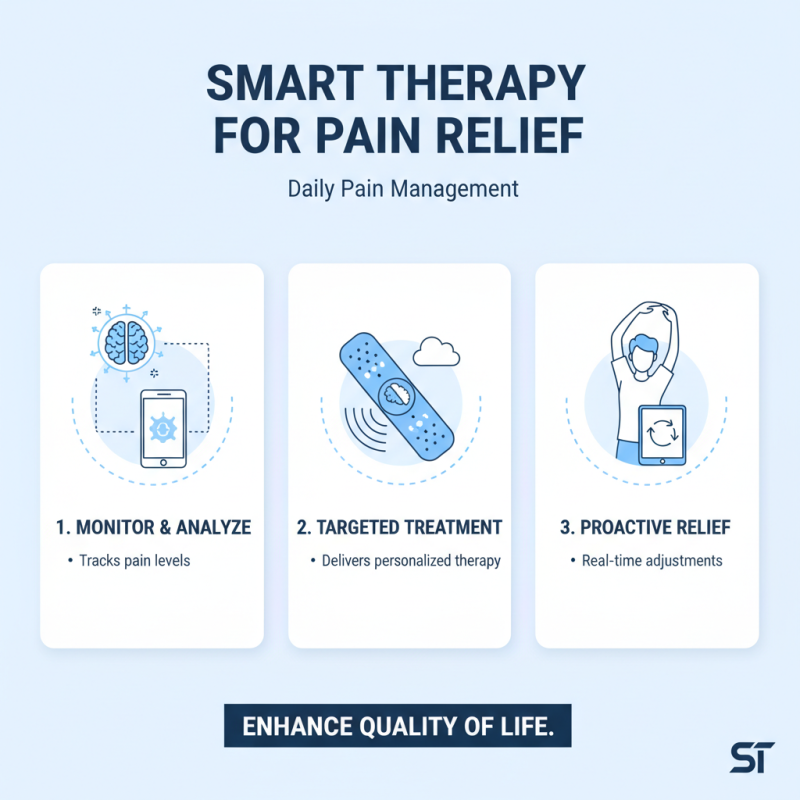
Integrating smart therapy into daily pain management can significantly enhance the quality of life for those suffering from chronic pain. These devices use advanced technology to monitor pain levels and deliver targeted treatment. By being proactive, users can tailor their therapy sessions based on real-time feedback. This personalized approach often leads to more effective results.
Many individuals may initially struggle to incorporate smart therapy seamlessly into their routines. It can feel overwhelming to adjust to new technology. A gradual introduction, with scheduled sessions at specific times, often proves beneficial. Users should reflect on their daily patterns, identifying when pain is most prevalent. This awareness can guide the effective use of smart therapy at optimal times.
Consistency is vital, but it's not always easy. Some may experience fluctuations in motivation or forget to use the device regularly. Keeping a journal of pain levels and therapy effectiveness can help identify trends over time. Being attentive to this data supports informed decisions about adjusting therapy parameters. Establishing a support system with peers or professionals can also encourage accountability in the adoption of smart therapy practices.
Evaluating the Effectiveness of Therapy Machines Over Time
The effectiveness of therapy machines can vary greatly over time. Users often notice short-term relief but may struggle with long-term benefits. A study showed that consistent use can enhance comfort levels for many. However, some users reported a plateau in effectiveness after several weeks.
Factors influencing effectiveness include individual health conditions and treatment goals. Machines designed for pain management can sometimes trigger a psychological dependence. This issue can lead to disappointment when expected outcomes are not met. Personalization of treatment is crucial. Regular assessments are necessary to adapt the approach over time.
Monitoring progress is essential. Understanding the nuances of how pain evolves can help in fine-tuning the therapy. Some may find themselves switching therapies or needing alternative support. Periodic evaluations can offer insights into the changing landscape of pain management. Having an ongoing dialogue with healthcare professionals is vital for optimal results.