What is a Physical Therapy Machine and How Does It Work?
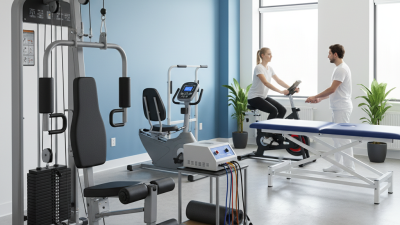
The use of a Physical Therapy Machine has revolutionized rehabilitation treatments in recent years. According to the American Physical Therapy Association, approximately 70 million visits occur annually for physical therapy sessions in the United States alone. The integration of advanced machines in therapy practices enhances recovery speed and efficacy. Industry expert Dr. Sarah Thompson states, "The right physical therapy machine can significantly improve patient outcomes and comfort during rehabilitation."
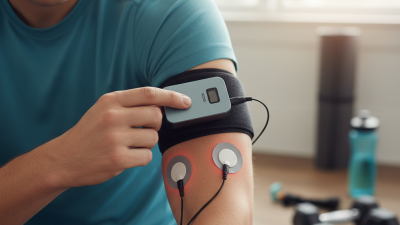
These machines utilize various modalities, like electrical stimulation, ultrasound, and mechanical traction, to address different conditions. For instance, electrical stimulation helps relieve pain while promoting muscle recovery. Substantial advances in technology have also led to more personalized treatment approaches. However, not all machines are created equal. Some therapists may rely on over-the-counter devices that lack essential features.
Inadequate training on specific machines can lead to less effective treatments. This highlights the need for continuous education among therapists. Recognizing the importance of selecting the right Physical Therapy Machine is crucial for enhancing patient care and treatment success. As the industry evolves, practitioners must stay updated to avoid falling behind in delivering optimal rehabilitation services.
Understanding Physical Therapy Machines: A Comprehensive Overview
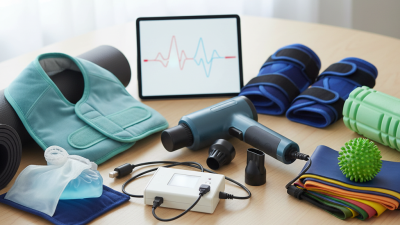
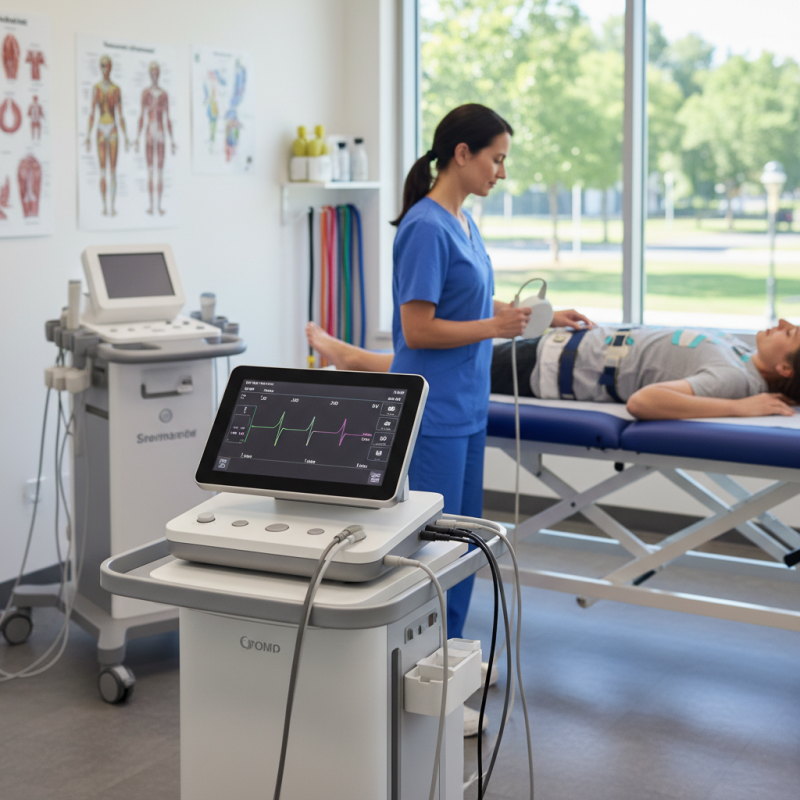
Physical therapy machines play a crucial role in rehabilitation and recovery. They aid in restoring movement, reducing pain, and improving overall function. From ultrasound devices to electrical stimulation units, these machines serve various therapeutic purposes. According to the "Journal of Physical Therapy Science," around 70% of physical therapy clinics utilize advanced machines to enhance treatment outcomes.
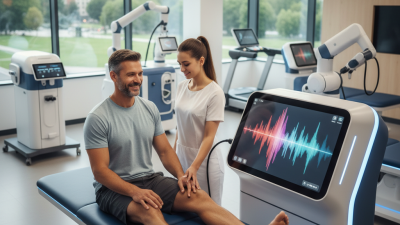
Specific machines, like therapeutic ultrasound devices, can target deep tissue layers. They use sound waves, promoting healing through improved blood flow. Electrical stimulation devices activate muscles, which is beneficial for patients with mobility issues. Research indicates that patients receiving machine-assisted treatments often report higher satisfaction rates, with about 80% feeling positive effects.
However, there are challenges. Not all patients respond the same way to machine-assisted therapy. Individual recovery is influenced by numerous factors, including age, condition severity, and adherence to treatment. This variability highlights the importance of personalized therapy plans, which may require ongoing adjustments. Engaging healthcare providers in discussions about these variables can lead to better outcomes and more effective therapy sessions.
Types of Physical Therapy Machines and Their Specific Applications
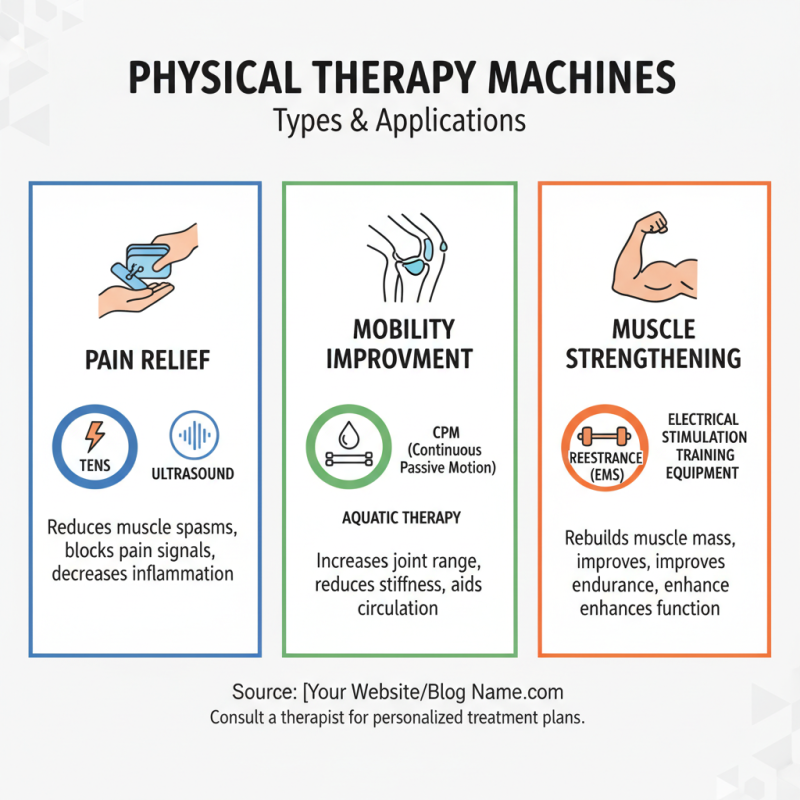
Physical therapy machines play a crucial role in rehabilitation. They assist in pain relief, mobility improvement, and muscle strengthening. Various types of machines cater to specific needs.
One common type is the ultrasound therapy machine. It uses sound waves to promote tissue healing. This method is effective for treating inflammation and accelerating recovery. Electrical stimulation machines are also prevalent. They deliver low-level electrical impulses to stimulate muscles. This aids in reducing muscle atrophy during recovery.
When choosing a machine, consider your specific needs. Consult with a licensed physical therapist for proper guidance. They can recommend the best options. Always prioritize safety during use. If a machine feels uncomfortable, stop immediately and seek advice. Remember, machines should enhance your therapy, not complicate it. Strive for progress, but be patient with your recovery journey.
How Physical Therapy Machines Aid in Rehabilitation and Recovery
Physical therapy machines are crucial in rehabilitation settings. They help patients regain strength and mobility after injuries or surgeries. These machines often utilize various techniques, including sound waves, electrical impulses, and mechanical resistance. This diversity allows therapists to tailor treatments to individual needs.
Using these machines can aid in pain relief and muscle relaxation. For instance, ultrasound therapy delivers deep tissue warmth. Patients often report a significant decrease in pain during and after sessions. However, improper use can lead to discomfort or injuries. Hence, professional guidance is vital.
The journey of recovery isn’t always linear. Some patients may find certain machines intimidating. Frequent assessments help in adjusting therapy plans to ensure effectiveness. Monitoring progress can inspire motivation, but it may also unveil setbacks. Reflecting on these challenges is part of the healing process. Embracing both progress and difficulties fosters resilience in rehabilitation journeys.
The Mechanisms Behind Physical Therapy Machines: How They Work
Physical therapy machines play a crucial role in rehabilitation. They utilize various mechanisms to aid recovery. These machines range from ultrasound devices to electrical stimulation units. Each type targets specific injuries and promotes healing.
Ultrasound machines use sound waves to penetrate deep tissues. This process increases blood flow and reduces inflammation. Meanwhile, electrical stimulation devices deliver small currents to muscles. This can decrease pain and improve muscle function. Both methods enhance mobility and aid in muscle recovery.
**Tip:** Always consult with a qualified therapist before using any physical therapy machine. They can provide personalized guidance tailored to your needs.
Another common type involves resistance training machines. These machines help build strength through controlled movements. They often feature adjustable weights and settings to accommodate varying fitness levels. However, it’s essential to monitor your body's response. Overdoing it can lead to new injuries.
**Tip:** Keep a journal of your sessions. Documenting progress helps in recognizing any areas needing adjustment.
Finding the right machine is vital. You may need to try a few to discover what suits you best. Physical therapy machines can be effective tools, but individual experiences may vary.
What is a Physical Therapy Machine and How Does It Work?
| Type of Machine |
Primary Function |
Mechanism |
Common Uses |
| Ultrasound Machine |
Deep tissue healing |
Uses sound waves to promote tissue healing |
Muscle injuries, tendonitis, joint pain |
| Electrical Stimulation Device |
Pain relief and muscle re-education |
Delivers electrical impulses to stimulate nerves or muscles |
Post-surgery recovery, chronic pain management |
| Therapeutic Exercise Machine |
Strengthening and rehabilitation |
Provides resistance for targeted muscle training |
Rehabilitation after injuries, strength training |
| Hydrotherapy Equipment |
Pain relief and mobility enhancement |
Uses water resistance and buoyancy for exercises |
Arthritis, post-operative rehabilitation |
| Biofeedback Machine |
Muscle control and awareness |
Provides real-time feedback on physiological functions |
Rehabilitation for movement disorders |
Benefits and Limitations of Using Physical Therapy Machines in Treatment
Physical therapy machines offer various benefits in treatment. They can enhance recovery by providing targeted exercises. These machines are designed to improve mobility and strength. Patients often experience faster healing with their use. Additionally, they can provide a controlled environment for safe rehabilitation. This controlled setup can reduce the risk of injury during the recovery process.
However, there are limitations to consider. Not all patients respond positively to machine-assisted therapy. Some may find machines intimidating or uncomfortable. Individual needs vary greatly, which can affect effectiveness. A thorough assessment is essential before integrating machines into treatment plans. Over-reliance on technology may hinder the development of natural coping strategies. Balancing machine use with traditional therapy methods is crucial for optimal results.
Benefits and Limitations of Using Physical Therapy Machines