request to quote
Leave Your Message

What is Pain Relief Equipment and How Does it Work?

Pain Relief Equipment plays a crucial role in modern healthcare. According to a report by the Global Pain Management Devices Market, the industry is expected to reach $4.3 billion by 2026. This growth stems from rising chronic pain conditions, affecting over 20% of adults worldwide. Many seek immediate relief from pain using various equipment options.

Devices such as TENS units and ultrasound therapy machines show promising results in pain management. They work by stimulating nerves and promoting blood circulation. However, the effectiveness of these devices can vary significantly among individuals. Some patients report remarkable results, while others remain skeptical. These discrepancies highlight a need for deeper understanding and research in this field.

Choosing the right Pain Relief Equipment is not always straightforward. Patients often feel overwhelmed by options. Some equipment may not suit everyone, leading to frustration. It’s essential for users to consult healthcare professionals for advice tailored to their pain conditions. The journey to pain relief can be complex, reflecting both hope and challenges.
What is Pain Relief Equipment and How Does it Work?

What is Pain Relief Equipment?

Pain relief equipment is designed to alleviate discomfort from various conditions, such as arthritis, back pain, and muscle injuries. This equipment includes devices like TENS units, heating pads, and therapeutic ultrasound machines. According to a report from the American Pain Society, around 100 million adults in the U.S. experience chronic pain. This widespread issue drives the demand for effective pain management solutions.

These devices operate through different mechanisms. TENS units send electrical impulses to disrupt pain signals. Heating pads promote blood flow and relax tense muscles. Therapeutic ultrasound uses sound waves to penetrate tissue, offering deeper relief. Each method targets pain in unique ways, which may yield varied results for different users.

**Tips:** Experiment with various devices to find what works best for you. Keep a pain diary to track effectiveness. Consult healthcare professionals for personalized recommendations. While pain relief equipment can significantly help, it isn’t a one-size-fits-all solution. Understand your body and be open to adjustments.

What is Pain Relief Equipment and How Does it Work?

Type of Equipment How It Works Common Uses Target Areas
Transcutaneous Electrical Nerve Stimulation (TENS) Delivers low-voltage electric currents to alleviate pain by stimulating nerves. Chronic pain, muscle spasms, postoperative pain. Back, neck, joints, and other affected areas.
Heat Therapy Uses heat to increase blood flow and relax muscles, reducing stiffness and pain. Muscle tension, arthritis, menstrual cramps. Muscles, joints, and abdominal area.
Cold Therapy Reduces inflammation and numbs pain in acute injuries. Sports injuries, swelling, acute pain relief. Injured areas, swollen joints.
Ultrasound Therapy Uses sound waves to promote tissue healing and reduce pain. Soft tissue injuries, chronic pain conditions. Tendons, ligaments, and muscles.
Massage Therapy Tools Helps in relaxing muscles and improving blood circulation. Muscle soreness, stress relief. Back, shoulders, and neck.

Types of Pain Relief Equipment Available

What is Pain Relief Equipment and How Does it Work?

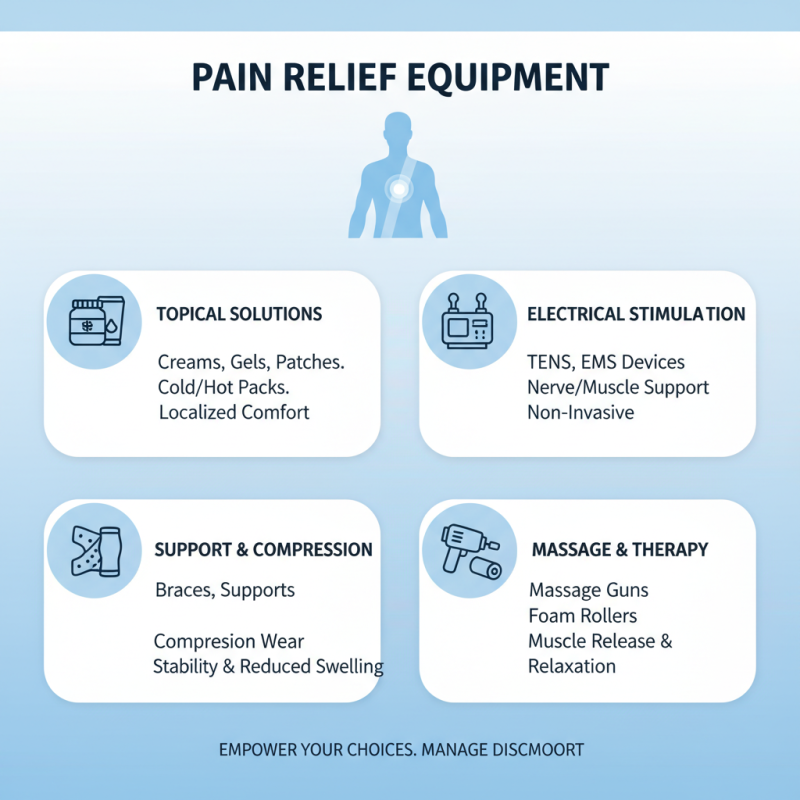
Pain relief equipment is designed to help individuals manage discomfort. Various types of equipment are available, catering to diverse needs and conditions. Understanding these options can empower users to make informed choices.

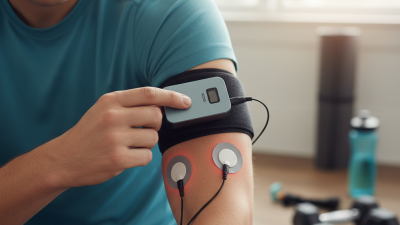
One common type is TENS units. These devices use electrical impulses to alleviate pain. They are portable and easy to use. Users often place electrodes on the skin to deliver the impulses. Some find this method effective, while others may feel little to no relief. Feedback varies widely.

Heat therapy products are another option. Heating pads and wraps provide soothing warmth to tense muscles. Many people enjoy this comforting sensation. However, it's important to monitor the temperature. Excess heat can lead to burns or skin irritation. Cold therapy, such as ice packs, can also numb pain and reduce inflammation. Each method has its unique benefits and drawbacks. Users must experiment to find what works best for them.

How Pain Relief Equipment Works Mechanically

What is Pain Relief Equipment and How Does it Work?

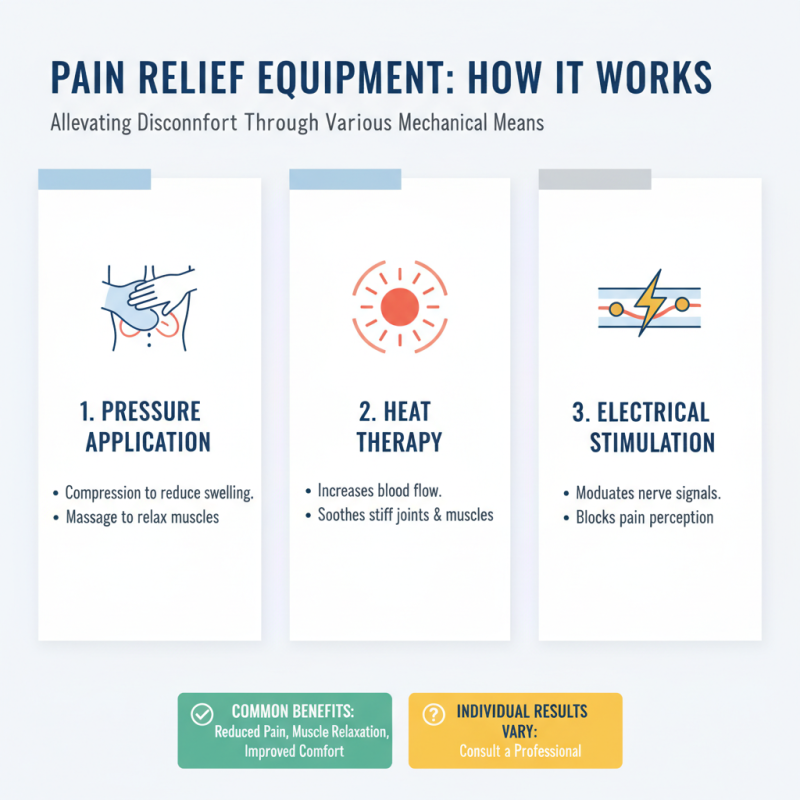
Pain relief equipment is designed to alleviate discomfort through various mechanical means. These devices often employ methods like pressure application, heat, or electrical stimulation. Each method targets pain pathways, aiming to reduce the perception of pain. Many people may find that these machines offer relief, but experiences can vary widely. Not everyone responds the same way to these treatments.

Mechanically, pain relief equipment often involves simple yet effective components. For instance, transcutaneous electrical nerve stimulation (TENS) units use electrodes placed on the skin. They send low-voltage electrical impulses to stimulate nerves. This can interfere with the pain signals sent to the brain. Heat wraps or pads work by increasing blood flow to an area, promoting healing. Interestingly, the way individuals experience this warmth can differ.

The design of these devices plays a crucial role in their effectiveness. Some may find comfort in using handheld devices, while others prefer stationary units. Discomfort and frustration can arise if the equipment doesn't fit well or fails to deliver results. Reflecting on pain management is essential, as not every method works for everyone. Adjustments may be needed over time to find what truly helps.

Benefits of Using Pain Relief Equipment

Pain relief equipment offers various benefits for those dealing with chronic pain. These devices often provide targeted relief directly to the affected area. They can help reduce pain levels significantly, allowing individuals to engage in daily activities more comfortably. Many people experience improved mobility after using these devices consistently.

Using pain relief equipment can also promote relaxation. Heating pads or massagers help soothe tense muscles. This relaxation contributes to better sleep quality. It’s essential to understand that while these tools can be effective, they may not work for everyone. Some users might need to experiment with different types of equipment to find what suits them best.

Another consideration is the importance of combining equipment use with other treatments. For some, relying solely on machines can lead to dependency. It's crucial to include physical therapy or exercise in a comprehensive pain management plan. Moreover, users must be mindful of their body’s responses. Not every method will provide immediate relief, and patience is key.

Considerations for Choosing Pain Relief Equipment

When choosing pain relief equipment, several factors must be considered. The type of pain is crucial. Is it chronic or acute? Every pain is different. For example, muscle soreness requires different equipment than joint pain. Understanding these differences can guide your selection.

Portability is another important aspect. Some devices are compact and can be used anywhere. Others are bulky and require a dedicated space. If you travel frequently, lightweight options are ideal. Also, consider the ease of use. Equipment should not add stress. Look for user-friendly designs and clear instructions.

Lastly, cost can be a significant factor. Higher price does not always mean better results. Research your options carefully. Read reviews and gather opinions. Don’t rush this process. The right choice can lead to substantial improvement, while a poor choice can prolong discomfort. Think about these factors deeply before making a decision.