10 Essential Tips for Choosing the Right Pain Relief Equipment
Choosing the right pain relief equipment is crucial for effective management of discomfort. With various options available, it can be overwhelming to make a decision. Each piece of equipment serves a unique purpose and targets specific types of pain.
When looking for pain relief equipment, consider your individual needs. Think about the location and type of pain you experience. Additionally, factor in your lifestyle and how often you will use the equipment. This will help narrow down your options.
It’s also important to research the equipment. Read user reviews to gather insights on effectiveness. Some equipment may come with misleading claims. Thus, thorough investigation is necessary. Sometimes, professional advice from a health practitioner can be invaluable. Engaging in conversations about your experiences can lead to better choices. Remember, the goal is to enhance your quality of life.
Understanding Different Types of Pain Relief Equipment Available
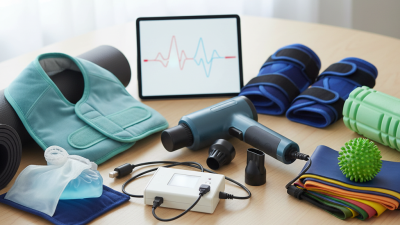
When it comes to pain relief equipment, variety is key. Different types exist to target specific issues. Heating pads are popular for soothing muscle tension. They can be applied to sore shoulders or a stiff back.
Cold packs, on the other hand, help reduce inflammation. Many people find them useful after exercising. These two options highlight how pain relief can vary with the type of discomfort.
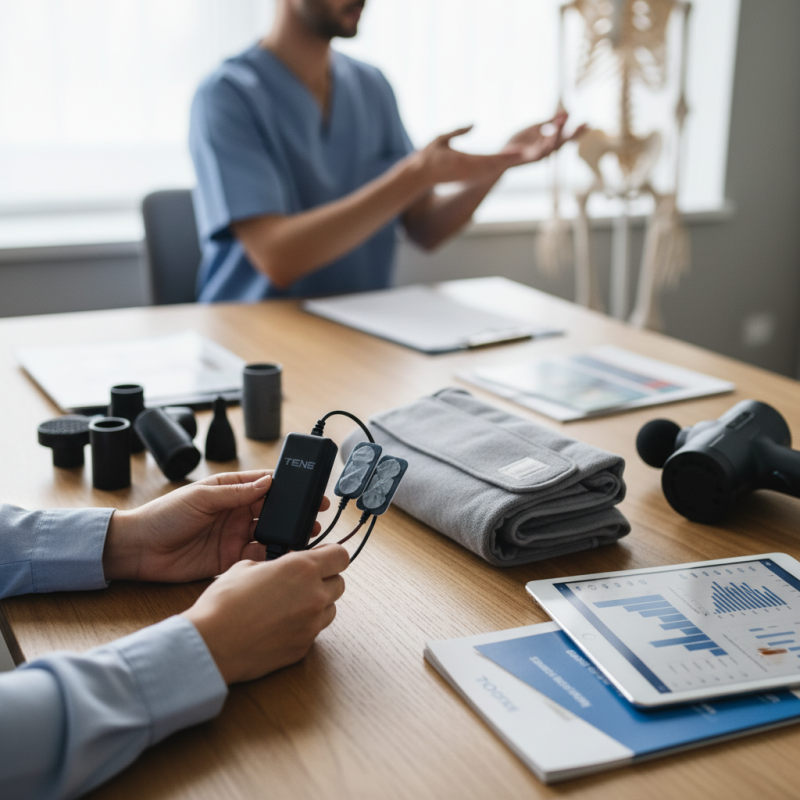
Another category includes electrical stimulation devices. These units send small vibrations to the skin. Users often describe a mix of relief and irritation. Some find them effective, while others remain skeptical. It’s important to test these devices to see what feels right. Each individual’s response to pain relief equipment can differ widely.
Massage chairs and rollers provide another option. They can relieve stress and tension in hard-to-reach areas. The sensation can be relaxing, yet also overwhelming at times. Finding the right pressure and technique often requires experimentation. Consider your specific needs when evaluating choices.
Evaluating Your Specific Pain Condition and Needs
Choosing the right pain relief equipment requires careful consideration of your specific pain condition and individual needs. According to a recent industry report, approximately 20% of adults experience chronic pain. This statistic highlights the importance of tailored pain management solutions. Not all equipment will fit every type of pain, such as back pain vs. arthritis. A tool effective for one may not provide relief for another.
It’s crucial to evaluate the nature of your pain. Is it sharp, dull, or throbbing? This can guide your choices. Did you know that nearly 50% of patients report dissatisfaction with their current pain management regimen? Understanding your pain’s intensity and duration is vital for selecting the right equipment. Furthermore, personal factors like age and previous injuries can influence equipment choice. It’s easy to overlook these details, yet they are essential in customizing your pain relief journey.
Exploring different types of pain relief equipment can feel overwhelming. The right device must align with your lifestyle. A person with fibromyalgia may benefit from gentle heat therapy, while an athlete recovering from injury might need electrical stimulation. Keep in mind that trying multiple options may be necessary. Don’t hesitate to reflect on what works and what doesn’t. Your pain journey is unique, and finding the perfect match will take time and effort.
Consideration of Safety Features in Pain Relief Devices
When selecting pain relief devices, safety features are paramount. A recent study from the International Journal of Pain Management highlights that nearly 30% of users experience adverse effects from poorly designed equipment. This statistic underscores the importance of prioritizing safety over other factors. Devices should undergo rigorous testing to ensure they meet safety standards. Look for features like automatic shut-off mechanisms and skin sensors. These enhancements can significantly reduce the risk of misuse.
It's essential to examine how well pain relief equipment balances safety and effectiveness. The American Pain Society notes that devices lacking comprehensive safety measures can exacerbate underlying conditions. For instance, infrared lamps must be used with caution. Excessive heat exposure can lead to burns. Ensure that any device you consider has built-in safety alerts. User feedback is also crucial. Online reviews often highlight safety concerns that are not evident in product descriptions.
Always pay attention to user manuals and guidelines. Proper usage reduces risks considerably, yet many people skip this critical step. Safety should not be an afterthought; it needs to be a priority. Finally, remember that no device can replace professional medical advice. Your health should always come first, even in your pursuit of pain relief solutions.
Assessing the Ease of Use and Portability of Equipment
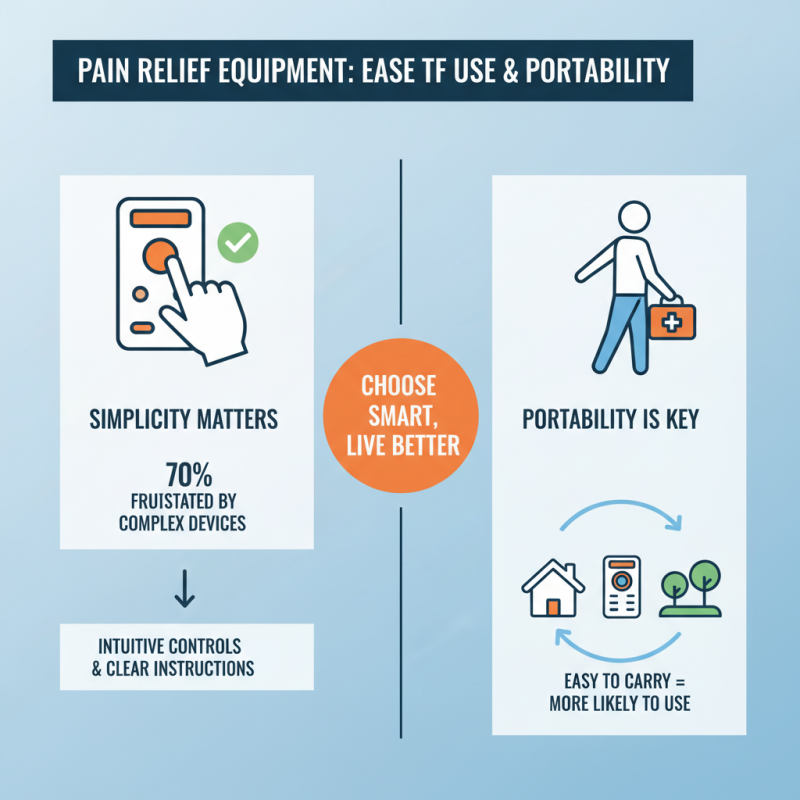
When choosing pain relief equipment, ease of use and portability are crucial factors. Many users will prioritize how simple the equipment is to operate. A recent survey found that 70% of users reported frustration with complicated devices. Equipment that requires multiple steps may deter usage. Therefore, it's essential to select tools that offer intuitive controls and clear instructions.
Portability is another key aspect to consider. Pain relief often needs to be accessible, especially for those with chronic conditions. Statistics indicate that around 40% of individuals prefer equipment they can easily transport. Lightweight materials and compact designs make it easier to carry pain relief devices. Look for options that fit comfortably in your bag or can accompany you on trips.
Tip: Always test the equipment before purchase. Check if it feels comfortable and fits your lifestyle. Ease of setup and disassembly matters. Think about where and when you will use the equipment. If it's intended for home use, heavy models might work, but for outdoor flexibility, go lighter. Don't overlook how portability impacts your daily routine. Often, the best equipment is the one that blends seamlessly into your life.
Reviewing Product Reviews and Professional Recommendations
When selecting the right pain relief equipment, looking at product reviews is crucial. They provide real user experiences. Some reviews highlight unexpected benefits. Others might mention issues that catch your attention. Engaging with these insights helps refine your choices.
Consider the following tips. Check for reviews that focus on specific pain types, like chronic or acute pain. Reviews mentioning ease of use can be very helpful. Users often share if a product fits awkwardly or if it’s too heavy. Reading diverse opinions ensures a balanced view, highlighting pros and cons.
Professional recommendations add another layer. Experts often test products rigorously. Yet, their suggestions may not always align with personal needs. Everyone's pain experience is unique. Learning from both user reviews and expert insights creates a more informed decision. Trust your instincts as you weigh your options.