Top 10 EMS Instruments for Effective Muscle Recovery and Body Toning
In the pursuit of optimal fitness and well-being, the integration of technology into muscle recovery and body toning routines has become increasingly popular. One of the most effective innovations in this realm is the EMS Instrument, which stands for Electrical Muscle Stimulation. These devices utilize electrical impulses to stimulate muscle contractions, facilitating not only recovery from intense workouts but also enhancing overall muscle tone.
As the demand for efficient and effective recovery methods rises, understanding the various options available in the EMS Instrument category becomes crucial for fitness enthusiasts and professionals alike. This article will explore the top 10 EMS Instruments that can significantly enhance muscle recovery processes while promoting body toning. We will delve into the features and benefits of each instrument, providing insights into how they can fit seamlessly into your fitness regimen, allowing you to achieve your desired results more efficiently. Whether you are a seasoned athlete or a beginner, finding the right EMS Instrument can make a substantial difference in your recovery journey and overall fitness success.
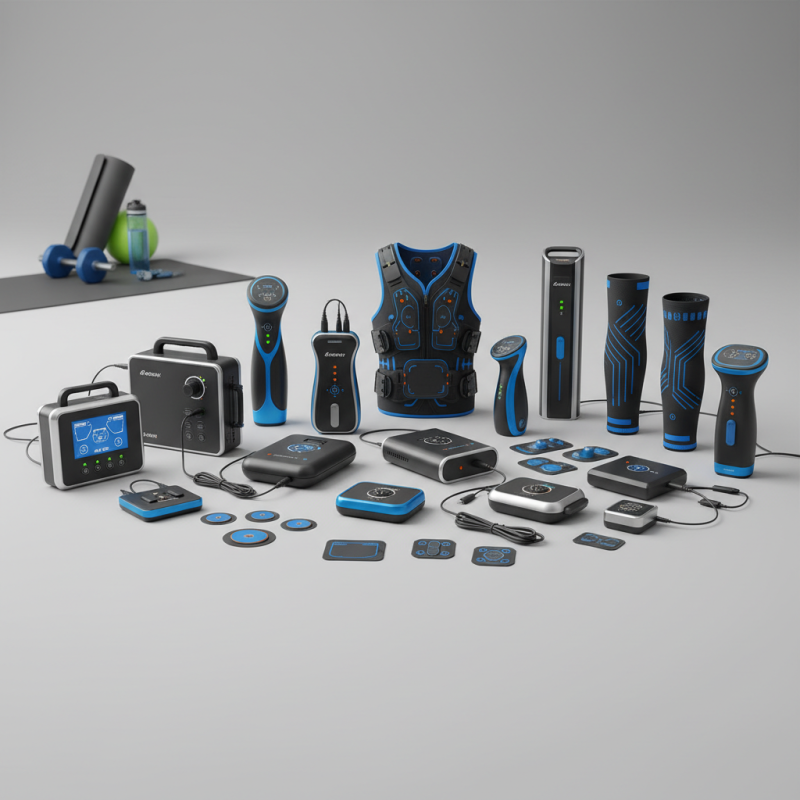
Understanding EMS: The Technology Behind Electrical Muscle Stimulation
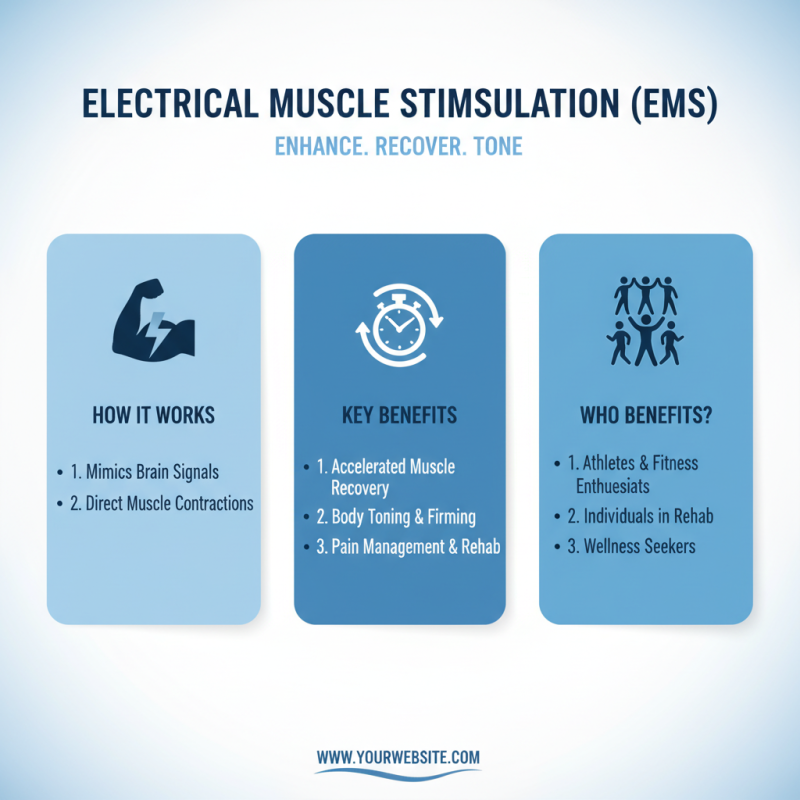
Electrical Muscle Stimulation (EMS) is a revolutionary technology designed to enhance muscle recovery and support body toning through the application of electrical impulses. By mimicking the natural signals sent from the brain to the muscles, EMS devices stimulate muscle contractions directly. This process is not only effective for athletes looking to improve performance but also beneficial for individuals seeking to manage pain, rehabilitate from injuries, or enhance overall physical wellness.
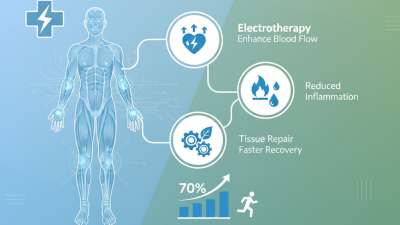
In an EMS session, electrodes placed on the skin deliver controlled electrical pulses, targeting specific muscle groups. These contractions help increase blood flow to the muscles, promoting healing and recovery after workouts. Furthermore, through consistent stimulation, EMS can assist in muscle strengthening and toning by adequately engaging fibers that might not be activated during conventional exercises. This dual benefit makes EMS a versatile approach for both recovery and fitness enhancement, appealing to diverse users from fitness enthusiasts to those in rehabilitation programs.
Benefits of EMS for Muscle Recovery and Body Toning
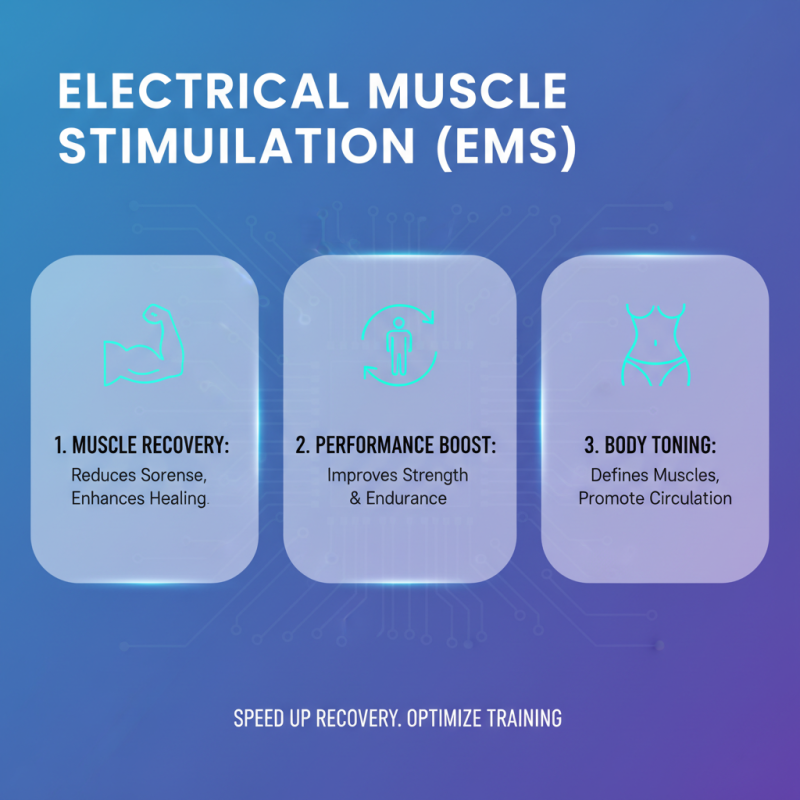
Electrical Muscle Stimulation (EMS) has gained popularity as a tool for muscle recovery and body toning, thanks to its effectiveness in enhancing physical performance and aiding in the healing process. The gentle electrical impulses sent to the muscles stimulate contraction, promoting blood circulation and reducing muscle soreness post-exercise. This makes EMS particularly beneficial for athletes and fitness enthusiasts looking to speed up their recovery time and maintain their training regimen without unnecessary downtime.
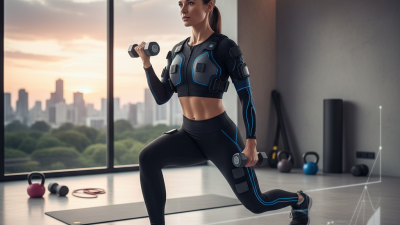
Additionally, EMS can help tone muscles by engaging them in a way that complements traditional workouts. By targeting specific muscle groups, users can achieve a more defined physique. The versatility of EMS devices allows for tailored programs that can cater to individual fitness goals, whether it be muscle strengthening or rehabilitation after injury.
Tips for enhancing your EMS experience include starting with shorter sessions to allow your body to adjust to the stimulation. Gradually increasing the duration and intensity can lead to more significant gains over time. Pairing EMS with a balanced diet and a consistent exercise routine can amplify its benefits, leading to improved muscle tone and recovery. Staying well-hydrated before and after EMS sessions can also facilitate optimal muscle function and help flush out toxins, ensuring that your body can recover effectively.
Top 10 EMS Instruments for Home Use and Professional Settings
When it comes to muscle recovery and body toning, Electrical Muscle Stimulation (EMS) instruments have gained significant popularity for both home use and professional settings. These devices are designed to enhance muscle activation, reduce soreness, and improve overall fitness performance.
From compact handheld units to more sophisticated setups found in gyms and therapy centers, there are plenty of options available to cater to different needs and environments.
For home users, choosing an EMS device that is user-friendly and portable is essential. Look for models featuring adjustable intensity levels and pre-programmed settings that allow you to quickly switch between recovery and toning modes. This versatility makes it easy to incorporate EMS sessions into your routine, whether you’re working out, relaxing, or recovering.
Tips: Start by using your EMS device for short sessions to gauge comfort levels, and gradually increase duration and intensity as your tolerance improves. Always ensure your skin is clean and dry before application to maximize conductivity and effectiveness.
In professional environments, EMS instruments often come with advanced features that cater to a variety of rehabilitation and training needs. Practitioners can benefit from devices that allow for targeted muscle groups and customized programming, enabling tailored therapy sessions for clients recovering from injuries or seeking enhanced athletic performance.
Tips: When using EMS in a clinical setting, consider incorporating it into a comprehensive treatment plan that includes physical therapy and exercise. This holistic approach can significantly improve patient outcomes and satisfaction.
How to Choose the Right EMS Device for Your Needs
When considering an EMS (Electrical Muscle Stimulation) device for muscle recovery and body toning, it’s essential to understand your specific needs and goals. Start by evaluating the intensity levels offered by the device, as different users may require varying levels of stimulation based on their fitness levels and recovery needs. A device with adjustable intensity settings allows you to customize your experience and gradually increase the intensity as your muscles adapt, ensuring effective results without discomfort.
Next, consider the types of EMS programs available. Many devices come equipped with a range of programs designed for specific purposes, such as muscle recovery, strength building, or pain relief. Assess your primary goal—whether it’s enhancing muscle endurance or speeding up recovery post-exercise. Additionally, portability and ease of use are important factors; choosing a lightweight, user-friendly device can enhance convenience, allowing you to incorporate EMS into your routine seamlessly. Lastly, take into account the size and placement of electrodes, as they should be compatible with the areas you wish to target effectively.
Top 10 EMS Instruments for Effective Muscle Recovery and Body Toning
Tips for Integrating EMS into Your Fitness Routine
Integrating Electrical Muscle Stimulation (EMS) into your fitness routine can significantly enhance muscle recovery and body toning. To start, aim to incorporate EMS sessions into your workout regimen 2-3 times a week. This frequency allows your muscles to recover adequately while still benefiting from the enhanced stimulation. Using EMS post-workout can help reduce muscle soreness and speed up the recovery process, making it an excellent addition to your routine.
When using EMS, it’s essential to balance it with traditional forms of exercise. Consider incorporating brief EMS sessions after weight training or intense cardio workouts to boost muscle repair and growth. Furthermore, be mindful of your body’s response to electrical stimulation. Begin with lower intensity settings and gradually increase as your comfort and experience grow. It’s also beneficial to target different muscle groups on different days to maximize recovery and prevent overuse injuries.
Additionally, staying hydrated and maintaining a balanced diet can amplify the effects of EMS. Adequate hydration helps flush out toxins released during workouts, while a protein-rich diet supports muscle repair. By following these tips, you can seamlessly integrate EMS into your routine, enhancing not only recovery but also your overall fitness results.