Top Benefits of Using an Electrotherapy Machine for Pain Relief and Recovery
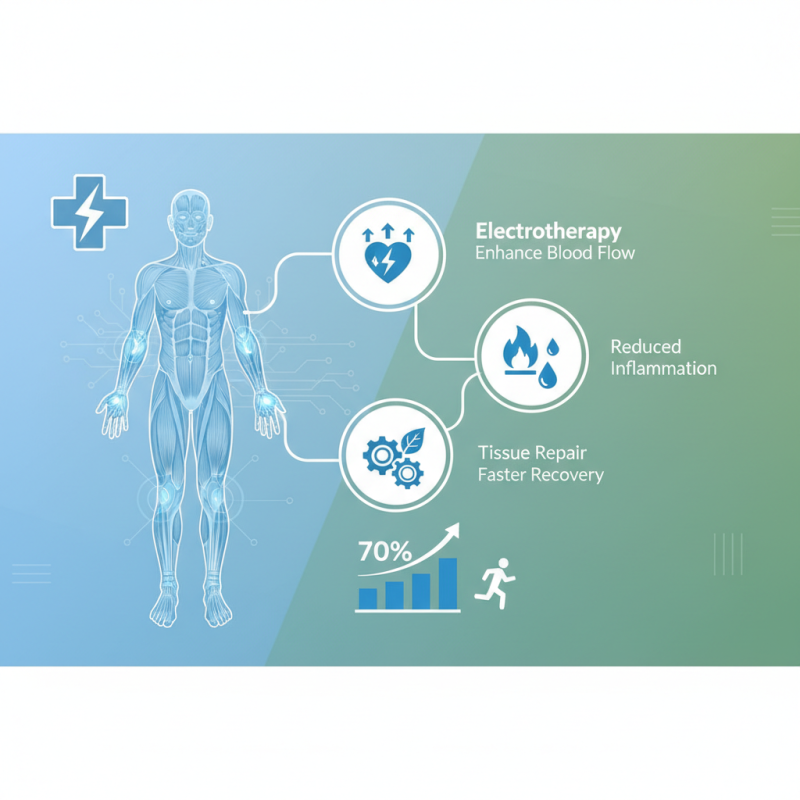
Electrotherapy machines have emerged as a pivotal tool in modern pain management and rehabilitation, offering a non-invasive alternative to conventional therapies. According to a report by the World Health Organization, chronic pain affects about 20% of the global population, leading to significant socioeconomic burdens. With the growing prevalence of conditions like arthritis, fibromyalgia, and sports-related injuries, the demand for effective pain relief strategies has never been greater. Electrotherapy, utilizing electrical stimulation to alleviate pain and promote healing, is gaining recognition for its efficacy. Studies indicate that approximately 70% of patients using electrotherapy machines report a marked reduction in pain and improved recovery times, underscoring their clinical relevance.
Additionally, a comprehensive analysis published in the Journal of Pain Research emphasizes that the application of electrotherapy can enhance blood flow, reduce inflammation, and facilitate tissue repair. This is particularly beneficial in rehabilitation settings, where quick recovery is essential for returning individuals to their daily activities and physical exertion. As the healthcare landscape continues to evolve, incorporating advanced modalities like the electrotherapy machine could revolutionize how we approach pain management, ensuring patients receive effective, scientifically-backed treatments that align with their wellness goals.
Benefits of Electrotherapy Machines in Chronic Pain Management
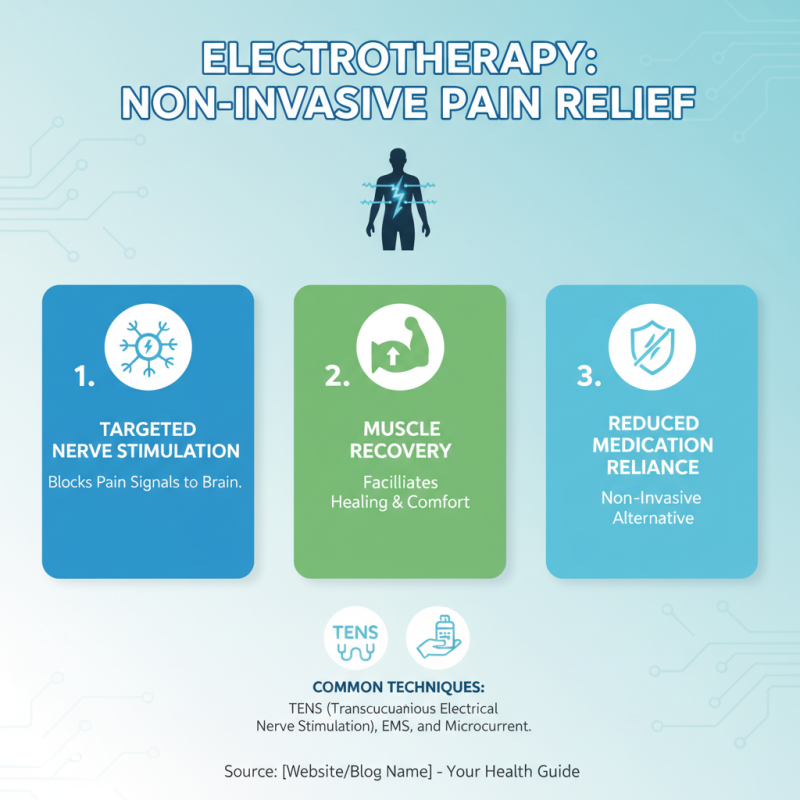
Electrotherapy machines have gained prominence in chronic pain management due to their ability to provide targeted relief and facilitate recovery. One significant benefit is their capacity to stimulate the nerves and muscles, which can lead to a reduction in pain signals transmitted to the brain. This mechanism offers a non-invasive alternative to medications, making it an appealing choice for individuals seeking to minimize their reliance on pharmaceuticals. By utilizing techniques such as Transcutaneous Electrical Nerve Stimulation (TENS), electrotherapy can effectively alter the perception of pain and enhance overall comfort for those suffering from conditions like arthritis or fibromyalgia.
Furthermore, electrotherapy machines can promote healing by increasing blood circulation in affected areas. Improved blood flow delivers essential nutrients and oxygen to tissues, accelerating the healing process and aiding muscle recovery. This is particularly advantageous for chronic pain patients who often deal with muscle tension and stiffness. The combined effects of pain reduction and enhanced recovery create a holistic approach to managing chronic pain, allowing users to regain mobility and improve their quality of life. With its versatility and effectiveness, electrotherapy continues to be a valuable tool in the realm of pain management.
Mechanisms of Action: How Electrotherapy Affects Pain Perception
Electrotherapy machines have gained popularity for their effectiveness in pain relief and recovery. The underlying mechanisms of action primarily involve the modulation of pain perception through various pathways. One of the key processes is the activation of sensory nerves, which can help mask pain signals being transmitted to the brain. By stimulating these sensory nerves, electrotherapy can provide immediate relief by promoting the release of endorphins, the body’s natural painkillers.
Additionally, electrotherapy enhances blood circulation in the affected areas. Improved blood flow not only reduces inflammation but also accelerates the delivery of essential nutrients and oxygen necessary for tissue healing. This dual action of pain modulation and physiological enhancement makes electrotherapy a powerful tool in pain management strategies.
Tip: When using an electrotherapy machine, start with lower intensity settings to gauge your comfort level. Gradually increase the intensity as needed, ensuring that the experience remains effective yet comfortable. Always consult with a healthcare professional to tailor the treatment to your specific needs for optimal results.
Top Benefits of Using an Electrotherapy Machine for Pain Relief and Recovery
| Benefit |
Description |
Mechanism of Action |
| Pain Relief |
Alleviates acute and chronic pain. |
Stimulates endorphin production and interrupts pain signals. |
| Muscle Relaxation |
Reduces muscle spasms and tension. |
Increases blood flow and promotes relaxation of muscle fibers. |
| Improved Circulation |
Enhances blood flow to affected areas. |
Utilizes electrical impulses to stimulate vascular activity. |
| Accelerated Healing |
Speeds up the recovery of injuries. |
Enhances tissue repair through increased cellular activity. |
| Non-Invasive Treatment |
Safe alternative to surgical interventions. |
Delivers therapeutic effects without the need for incisions. |
| Versatility |
Applicable for various conditions like arthritis, fibromyalgia. |
Can be tailored to target specific pain settings and issues. |
Comparative Studies: Electrotherapy vs. Traditional Pain Relief Methods
Electrotherapy has gained popularity as a modern solution for pain relief and recovery, particularly when compared to traditional methods such as medication and physical therapy. Studies suggest that electrotherapy can provide targeted relief by stimulating muscle tissue and promoting blood circulation, which aids in the healing process. In contrast, traditional pain relief methods often focus on managing symptoms through pharmaceuticals that may come with side effects or dependency issues. When evaluating effectiveness, electrotherapy not only shows promise in reducing pain but may also facilitate quicker recovery timelines.
Incorporating electrotherapy into your pain management routine can also offer practical advantages. For those considering this approach, a few tips can enhance your experience. Firstly, consult with a healthcare professional to ensure electrotherapy is suitable for your specific condition. Secondly, pay attention to the intensity and duration settings on the machine; starting with lower settings can help your body acclimate before gradually increasing the intensity for more effective relief. Lastly, consistency is key; incorporating regular sessions can optimize the benefits you reap from this innovative treatment method.
Patient Outcomes: Evidence from Clinical Trials on Electrotherapy Efficacy
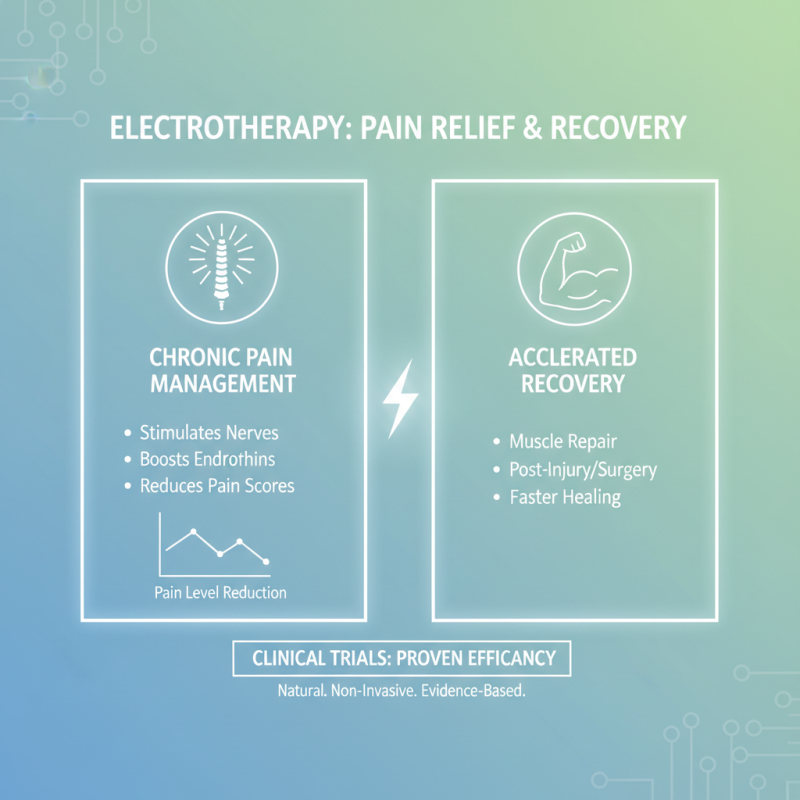
Clinical trials have consistently demonstrated the efficacy of electrotherapy in alleviating pain and accelerating recovery in various medical conditions. One major area of evidence can be found in studies focused on chronic pain management. Research has shown that patients who underwent electrotherapy reported significant reductions in pain levels compared to control groups. This improvement is attributed to the mechanism by which electrotherapy stimulates nerve fibers, leading to the release of endorphins and providing natural pain relief. Moreover, the appeal of electrotherapy extends beyond pain management; it also aids in muscle recovery post-injury or surgery, as evidenced by several clinical findings.
In terms of patient outcomes, numerous clinical trials have highlighted the benefits of electrotherapy in enhancing mobility and functionality. Patients utilizing electrotherapy in rehabilitation settings often exhibited quicker recovery times and improved strength when compared to traditional therapies alone. These outcomes underscore the necessity of integrating electrotherapy into standard treatment protocols for conditions such as sports injuries, arthritis, and post-operative recovery. The compelling evidence from these clinical studies not only emphasizes the advantages of electrotherapy for individual patients but also supports its role as a valuable tool within the broader context of pain management and rehabilitation strategies.
Safety Profile and Guidelines for Electrotherapy Machine Usage
When using an electrotherapy machine for pain relief and recovery, it is crucial to adhere to established safety guidelines to maximize its benefits while minimizing any risks. According to a report from the National Center for Biotechnology Information, electrotherapy modalities, such as TENS (Transcutaneous Electrical Nerve Stimulation), have shown significant efficacy in managing chronic pain conditions. However, safety concerns arise if the devices are not used according to the manufacturer's instructions or without professional guidance.
Patients should consult with healthcare professionals before starting electrotherapy to ensure it is suitable for their specific pain condition. Clear guidelines recommend avoiding use near the heart, over open wounds, or in individuals who have implanted medical devices like pacemakers. Studies highlight that respecting these boundaries significantly decreases the risk of adverse effects, with the World Health Organization indicating that improper use can lead to increased muscle spasms or skin irritation. Therefore, following safety protocols, including the machine's proper settings and duration of application, is essential for effective and safe treatment.
Top Benefits of Using an Electrotherapy Machine for Pain Relief and Recovery
This chart illustrates the percentage of users who report various benefits from using an electrotherapy machine for pain relief and recovery. The data indicates that a significant majority of users experience pain relief, followed by muscle recovery and inflammation reduction.