How to Choose the Right Physical Therapy Machine for Your Clinic?
Choosing the right physical therapy machine is crucial for any clinic. Dr. Sarah Thompson, a renowned expert in rehabilitation technology, emphasizes, “The right machine can significantly enhance patient recovery.” With a plethora of options available, selecting equipment that meets the specific needs of your practice can be daunting.
Many clinics overlook the importance of matching therapy machines to patient demographics and treatment goals. For instance, specific machines cater to athletes, while others focus on elderly patients. Each group requires different types of support. Equipment should not just be chosen for its appearance or cost but for its functionality and patient outcomes.
Evaluating the effectiveness of various machines can be a complex task. Consider patient feedback and treatment results. You may find that some machines do not deliver the desired improvements. Reflect on your clinic's unique needs and invest in machines that have proven reliability. By doing this, you create an environment that fosters healing and recovery, solidifying your clinic's reputation as a trusted facility for rehabilitation.
Understanding the Different Types of Physical Therapy Machines
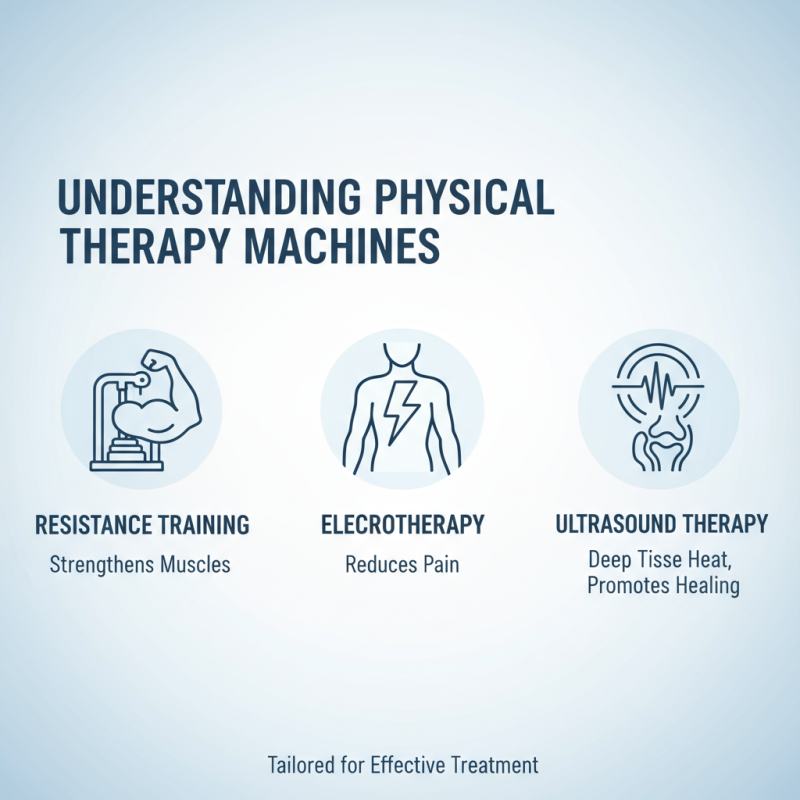
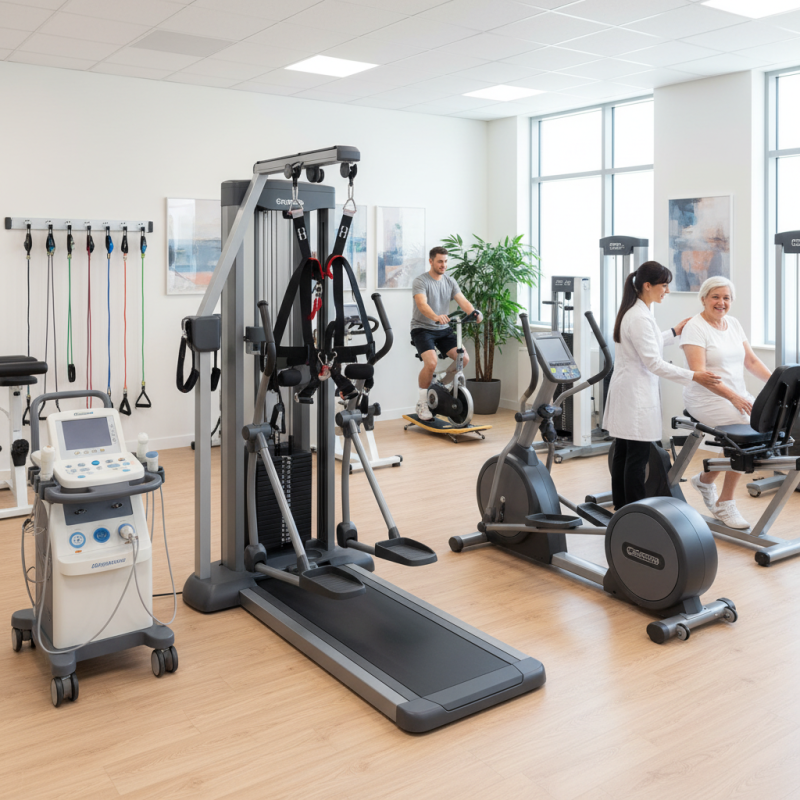
When selecting physical therapy machines for your clinic, understanding the options is essential. Machines vary widely in functionality and application. Resistance training machines focus on strengthening muscles. Another option is electrotherapy devices, which can help reduce pain. Ultrasound machines provide deep tissue heat, promoting healing and relaxation. Each type targets specific needs, which is crucial for effective treatment plans.
Consider the space available in your clinic. Some machines are large and require ample room. Smaller machines might fit better in constrained spaces, but that could limit functionality. Think about the patient demographic too. Will you treat athletes, elderly patients, or those recovering from surgeries? Their needs will dictate the type of machines required.
Budget is another critical factor. High-quality machines can be expensive, but lower-priced options may lack reliability and longevity. That’s a trade-off worth considering. Investing in equipment that meets the clinic’s needs can enhance patient outcomes. Reflect on the long-term value versus initial cost. Ultimately, make informed decisions that align with your clinic's goals.
Evaluating the Specific Needs of Your Clinic
Choosing the right physical therapy machine for your clinic requires careful consideration of specific needs. Start by evaluating the patient demographics you serve. Are they elderly patients with mobility issues, or athletes recovering from injuries? Understanding these aspects helps in selecting machines that cater to those unique requirements.
Consider the available space in your clinic. Some machines can be bulky, requiring adequate room for operation. Assess how each machine can fit into your existing layout. Think about versatility. Some machines offer multiple functions, which can save space while providing a range of therapies.
Financial constraints are also a factor. High-quality equipment often comes at a price, so it's important to weigh the long-term benefits against initial costs. Sometimes less expensive alternatives may not offer the same reliability and effectiveness. Reflecting on your past experiences with equipment can reveal what worked and what did not. Being aware of these imperfections can lead to better choices in the future.
Assessing the Budget for Equipment Acquisition
When considering the acquisition of physical therapy machines, budget assessment is crucial. First, determine the total amount you can allocate. This should include not only the cost of the machines but also maintenance and operational expenses. A thorough budget helps avoid overspending and unexpected financial strain.
Next, consider the features you need. Do you require standard models or advanced technology? Advanced machines often come with a higher price tag. Yet, they may enhance the quality of care. Be mindful of balancing costs and benefits. Sometimes, a mid-range machine can offer adequate performance for certain therapies.
Don’t forget about financing options. Look into leasing equipment. This can reduce upfront costs while allowing access to high-quality machines. Alternatively, consider refurbished models. They can be reliable and cost-effective. However, ensure they come from reputable sources. Reflect on long-term needs versus immediate desires. This clarity will guide you toward smarter budgeting decisions.
How to Choose the Right Physical Therapy Machine for Your Clinic? - Assessing the Budget for Equipment Acquisition
| Equipment Type |
Features |
Estimated Cost (USD) |
Maintenance Cost (Annual) |
Patient Capacity (per day) |
| Ultrasound Therapy Machine |
Non-invasive, pain relief, promotes healing |
$2,500 |
$300 |
10-15 |
| Electrical Stimulation Unit |
Muscle stimulation, pain control |
$1,200 |
$200 |
15-20 |
| Therapeutic Exercise Equipment |
Cardio, strength training, rehabilitation |
$3,000 |
$400 |
20-30 |
| Hydrotherapy Pool |
Low-impact, rehabilitative, soothing |
$25,000 |
$1,500 |
10-12 |
| Laser Therapy Machine |
Accelerates healing, reduces inflammation |
$5,000 |
$500 |
8-10 |
Researching Brand Reliability and Machine Performance
In the search for the right physical therapy machine, understanding brand reliability and machine performance is vital. Research from the Physical Therapy Journal indicates that machines with high user satisfaction significantly contribute to therapy outcomes. A staggering 75% of physical therapists reported improved patient recovery rates when utilizing reliable equipment. Evaluating the durability and support of a brand can directly influence your clinic's success.
When assessing machine performance, consider both functionality and ease of use. Devices that offer diverse treatment options can cater to various patient needs. Data from industry surveys suggest that clinics prioritizing versatile machines tend to enhance patient engagement. However, not all machines deliver the anticipated results. Some brands may project superior performance metrics, yet real-world feedback may tell a different story.
Investing in machines that support regular maintenance can prevent unexpected breakdowns. Consistent performance evaluation can help avoid pitfalls. Monitoring equipment usage and patient responses ensures that your clinic adapts to evolving needs. A proactive approach to brand research can mitigate risks associated with unreliable devices, ultimately benefiting your clinic's reputation and patient satisfaction.
Physical Therapy Machines Performance Comparison
Considering Space and Setup Requirements in Your Clinic
When choosing physical therapy machines, space and setup are critical. Assess your clinic’s layout first. Are the rooms spacious enough for larger equipment? Consider how patients will navigate in and out.
Before purchasing machines, think about their placement. Do you have power outlets nearby? Can the machines fit through doorways? You may need to rearrange furniture for optimal usage. This can make or break the effectiveness of your setup.
Tips: Measure your available space. Sketch a layout for each machine. Prioritize functionality over aesthetics. Consider future needs too. Will your space allow for new equipment later? Being proactive can save headaches down the line.
Remember that some machines may look impressive but require more space than expected. Be realistic about your clinic’s capacity. Your goal is to create an efficient environment where patients feel comfortable and can engage actively in their therapy.