How to Choose the Right Medical Equipment for Your Healthcare Facility
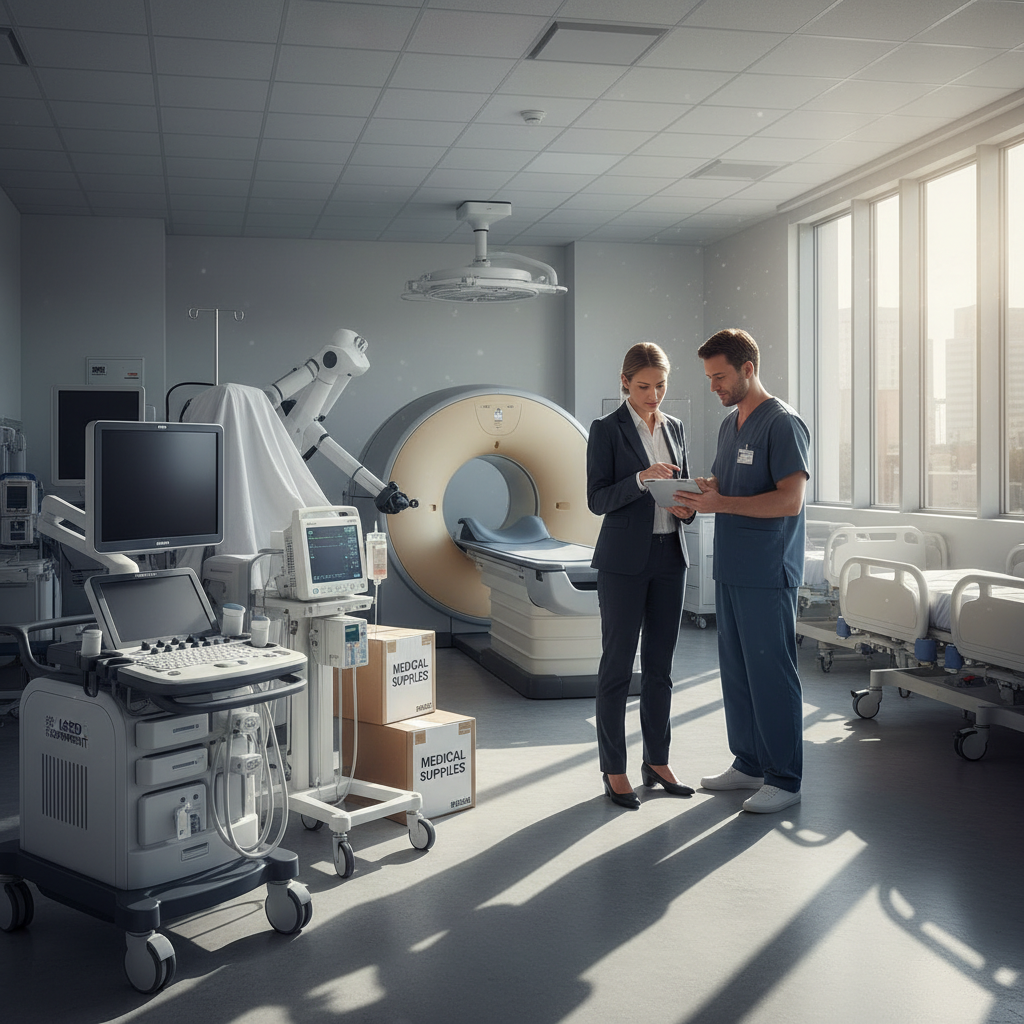
Choosing the right medical equipment for your healthcare facility is crucial to ensuring the effective delivery of quality care. With an overwhelming variety of options available today, from advanced imaging devices to patient monitoring systems, making the right choice can be both daunting and vital for operational success. Medical equipment not only influences the efficiency of your facility but also directly impacts patient outcomes and safety.
In this guide, we will explore the essential factors that healthcare professionals and administrators must consider when selecting medical equipment. Understanding your specific needs, budget constraints, and the latest technological advancements are key components in this decision-making process. Additionally, we'll discuss how to balance cost with quality, ensuring that you invest in equipment that not only performs well but also meets regulatory standards. By following these guidelines, you can streamline your selection process and equip your healthcare facility with the right medical equipment to provide exceptional patient care.
Assessing the Specific Needs of Your Healthcare Facility
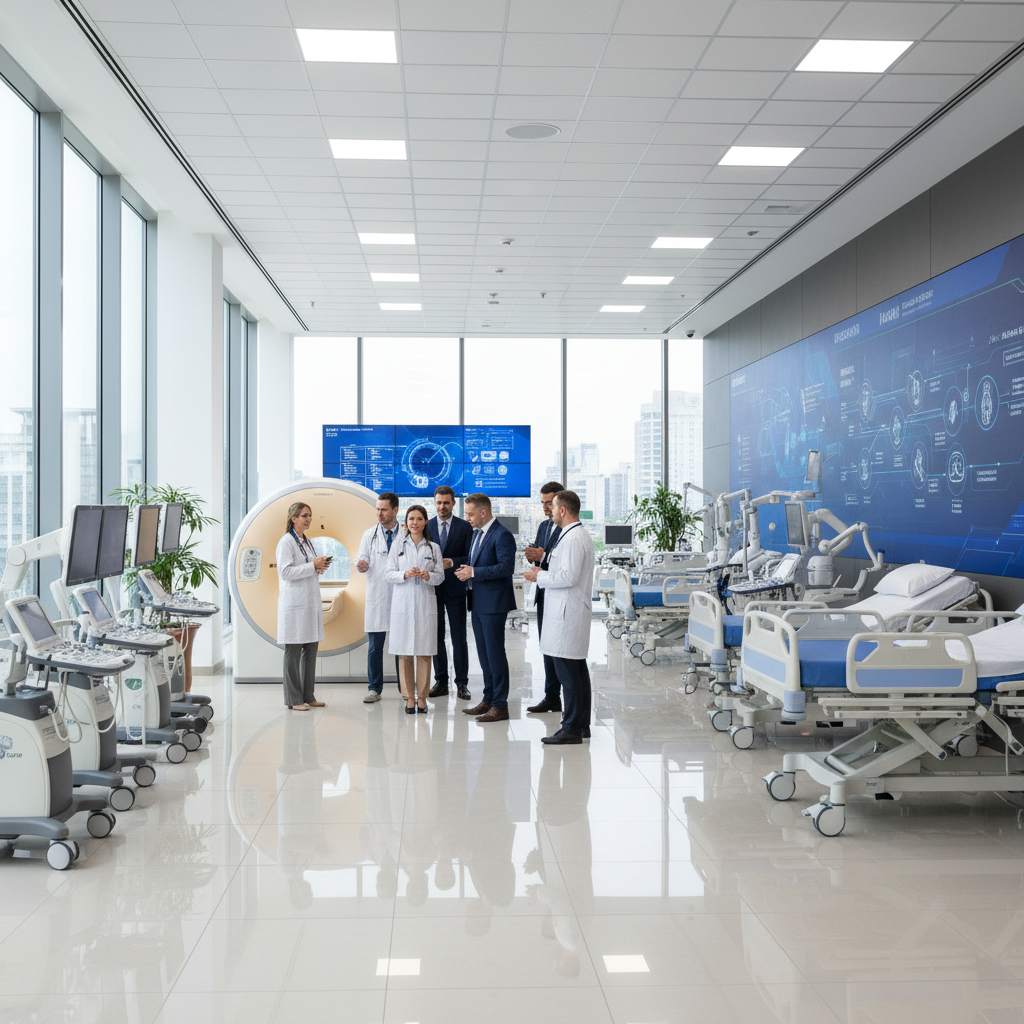
Assessing the specific needs of your healthcare facility is crucial when choosing the right medical equipment. Each healthcare setting, whether a hospital, clinic, or specialized care center, presents unique requirements based on the patient demographics, types of services offered, and available budget. Conducting a thorough needs assessment involves evaluating the patient population, the procedures performed, and the existing equipment inventory to identify gaps or deficiencies.
Tips:
Engage your staff in discussions about their daily challenges and the equipment they feel would enhance patient care. Collect feedback from different departments to ensure that the selected equipment addresses the diverse needs of your facility. It is also important to review the latest advancements in medical technology, as they can significantly improve diagnostic and treatment outcomes.
Another critical aspect is to consider the long-term costs associated with the equipment. This involves not only the purchase price but also maintenance, training, and eventual disposability.
Tips:
Develop a cost-benefit analysis that factors in these elements to help you make informed decisions. Additionally, consider future scalability to accommodate potential changes in patient volume or services, ensuring your investment remains relevant and effective over time.
Evaluating Equipment Quality and Reliability in Medical Devices
When selecting medical equipment for a healthcare facility, evaluating equipment quality and reliability is paramount. High-quality medical devices are not only crucial for delivering effective healthcare but also play a significant role in ensuring patient safety. One of the foremost criteria to consider is the manufacturer's reputation. Established brands often undergo rigorous testing and maintain high standards, which can be an indicator of quality. Additionally, researching user reviews and clinical outcomes associated with specific devices can offer insights into their reliability in real-world settings.
Another important aspect to assess is the compliance with regulatory standards. Medical devices must meet specific criteria set by health authorities such as the FDA or European Medicines Agency. These guidelines ensure that equipment is safe, effective, and durable. It's also essential to consider the warranty and after-sales support provided by manufacturers, as these factors can significantly affect the long-term performance of the equipment. By focusing on these elements, healthcare facilities can better navigate the complexities of medical device selection and ensure that they invest in equipment that enhances care quality and operational efficiency.
Understanding Budget Constraints and Cost-Effective Solutions
When selecting medical equipment for a healthcare facility, understanding budget constraints is crucial. Healthcare organizations often operate within limited financial resources, making it essential to prioritize expenditures effectively. Cost-effective solutions, such as leasing equipment or purchasing refurbished items, can significantly alleviate financial pressure while still ensuring high-quality patient care. Facilities should assess the long-term value of equipment investment, as some higher-priced items may offer greater durability and efficiency, ultimately reducing overall costs and improving operational workflows.
In addition to exploring various purchasing options, healthcare facilities should evaluate the total cost of ownership, which includes maintenance, energy consumption, and potential downtime. Engaging with vendors who provide transparent pricing and ongoing support can foster a collaborative relationship that benefits the facility in the long run. Training staff on best practices for using the selected equipment can also enhance its lifespan and optimize resource use. By strategically balancing budget constraints with the need for quality, healthcare facilities can make informed decisions that align with their operational goals while ensuring patient safety and care effectiveness.
Exploring Trends and Innovations in Medical Equipment Technology
In today’s rapidly evolving healthcare landscape, staying abreast of trends and innovations in medical equipment technology is crucial for any healthcare facility aiming to provide the highest quality of care. One major trend is the incorporation of artificial intelligence (AI) and machine learning into diagnostic tools and imaging equipment. These technologies not only enhance accuracy but also streamline workflows, allowing healthcare professionals to focus more on patient care rather than administrative tasks. As hospitals and clinics adopt these advanced solutions, the potential for improved patient outcomes increases significantly.
Moreover, the shift towards telemedicine has spurred innovations in remote monitoring devices and portable diagnostic equipment. Wearable technologies that track vital signs and provide real-time data are becoming commonplace, enabling healthcare providers to monitor patients’ health from a distance. This trend is not only beneficial for patients in remote locations but also reduces the burden on healthcare facilities, as more individuals can receive care without needing to occupy physical space in hospitals. Embracing such innovations ensures that healthcare facilities remain competitive and effective in delivering essential services while meeting the evolving demands of patients.
Importance of Compliance with Regulatory Standards in Equipment Selection
When selecting medical equipment for a healthcare facility, compliance with regulatory standards is paramount. Regulatory bodies, such as the FDA in the United States, set stringent guidelines on the design, manufacturing, and usage of medical devices. Ensuring that equipment meets these standards not only protects patient safety but also minimizes legal risks for the facility. Noncompliance can lead to serious consequences, including fines, recalls, and even closures, jeopardizing the facility's reputation and continuity of care.
Furthermore, adherence to regulatory standards fosters trust among patients and healthcare professionals. When a facility invests in equipment that meets or exceeds compliance requirements, it signals a commitment to quality and safety. This can enhance patient confidence and satisfaction, as stakeholders are assured that the equipment is reliable and effective for diagnosis and treatment. Additionally, regulatory-compliant equipment often includes warranties and support from manufacturers, providing further assurance of longevity and performance in clinical settings. By prioritizing compliance during equipment selection, healthcare facilities can ensure optimal patient outcomes and maintain their operational integrity.
Importance of Compliance with Regulatory Standards in Medical Equipment Selection