2026 How to Choose the Right Electrotherapy Machine for Your Needs?
Choosing the right electrotherapy machine can be challenging. With numerous options available, the decision requires careful consideration of various factors. According to a recent market analysis, the global electrotherapy market is expected to reach $6 billion by 2026. This growth highlights the increasing reliance on these machines for pain management and rehabilitation.
Electrotherapy machines offer a range of modalities. They can alleviate pain, enhance recovery, and stimulate muscle function. However, not all machines cater to every specific need. Understanding personal requirements is crucial. For instance, users may prefer TENS for acute pain relief or EMS for muscle strengthening.
Despite the benefits, many consumers overlook vital details. Some machines may lack FDA approval, impacting their safety. Additionally, prices can vary significantly, leading to misconceptions about quality. Consumers must reflect on their choices. An informed decision can significantly enhance therapy outcomes. Understanding one’s medical needs is vital for selecting the best electrotherapy machine.

Understanding Electrotherapy: Types and Applications
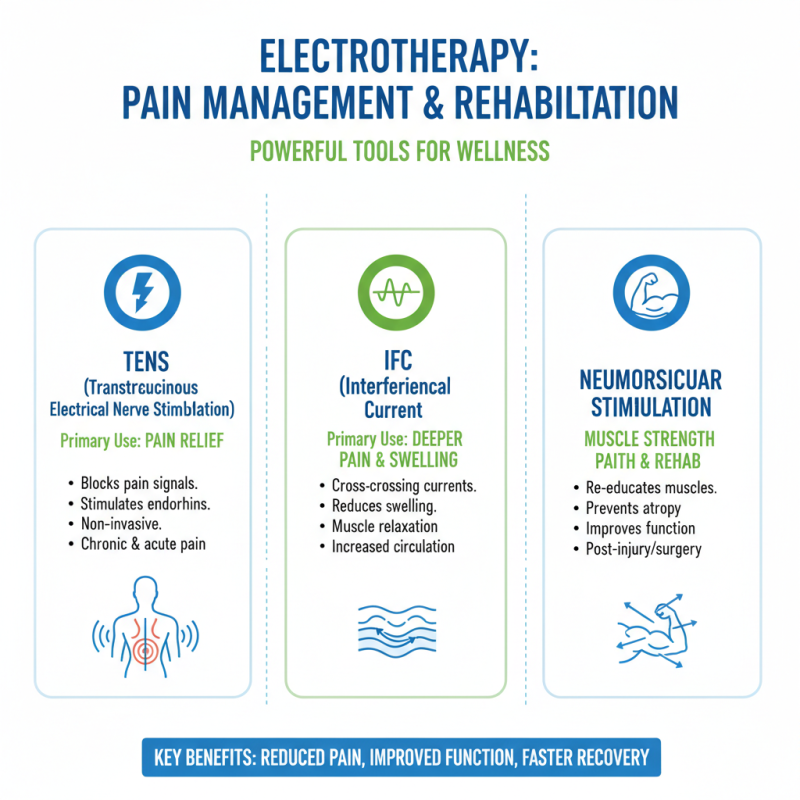
Electrotherapy is a powerful tool in pain management and rehabilitation. It uses electrical impulses to stimulate nerves, muscles, and tissues. Different types of electrotherapy include Transcutaneous Electrical Nerve Stimulation (TENS), Interferential Current (IFC), and neuromuscular stimulation. Each type serves unique purposes and offers distinct benefits. TENS, for instance, is widely used for pain relief. It can effectively reduce chronic pain for many patients.
Studies show that electrotherapy can lead to a 30-50% reduction in pain scores for those with chronic conditions. Electrotherapy devices are also employed in physical therapy settings. They can enhance muscle activation and facilitate recovery. However, not all devices perform the same way. Some may fall short in delivering consistent results. Users should consider their specific needs and consult health professionals for guidance.
Understanding the applications of each electrotherapy type is crucial in making informed decisions. For example, IFC is often preferred for its deeper tissue penetration. It’s essential to evaluate how different machines align with treatment goals. Some equipment might seem promising but may not fit every individual situation. A careful assessment of these factors can lead to more effective treatment outcomes.
Key Factors to Consider When Selecting an Electrotherapy Machine
When selecting an electrotherapy machine, several key factors come into play. Assessing your specific needs is crucial. Different machines serve various purposes, such as pain relief or muscle stimulation. The device's frequency and intensity settings significantly influence its effectiveness. Research suggests that 70% of users find tailored settings enhance their experience.
Consider the size and portability of the device. A compact machine may suit home use. Yet, larger units often come with advanced features. Remember to evaluate the user interface as well. A complicated setup can deter consistent use. A 2021 survey noted that 60% of users prefer machines with straightforward controls.
Tips: Always check for certification. Ensure the product meets safety standards. Look for machines with clear user reviews. A 2022 report indicated that 65% of effective devices were backed by positive feedback. This insight can help guide your choice. Don't overlook the importance of a warranty. A good warranty reflects the manufacturer's confidence in their product.
Assessing Your Treatment Goals and Target Areas
When choosing an electrotherapy machine, it's crucial to assess your treatment goals. What are you aiming to achieve? Relief from pain, muscle recovery, or improved circulation? Identifying your primary goal can streamline your decision. Focus on specific target areas. Is the pain localized in your back, shoulders, or legs? Different machines may cater to different areas of the body. Precision matters, and knowing where to direct your energy can enhance your experience.
Evaluating your needs doesn’t stop at goals. Consider the intensity levels required for effective treatment. Do you prefer a gentle pulse, or do you need something stronger? Some machines allow fine-tuning. Experiment with settings to find what works best for you. It’s important to reflect on past experiences as well. Have you tried similar therapies before? What worked and what didn’t? These reflections can provide insights into your preferences.
Ultimately, listen to your body. Each individual responds differently to electrotherapy. What brings relief for one person may not suit another. Don’t hesitate to seek advice from professionals. Yet, trust your intuition too. Sometimes, the best choice comes from understanding yourself and acknowledging your unique needs.
Evaluating Machine Features and Specifications
When choosing an electrotherapy machine, evaluating features and specifications is crucial. Many manufacturers publish technical data on their devices that can help users make informed decisions. For instance, a recent report by the International Journal of Electrotherapy suggests that adjustable frequency settings are vital. They allow therapists to tailor treatments for individual patient needs.
Pay attention to the output intensity. Machines capable of delivering variable intensity provide more flexibility. According to the Electrotherapy Association, devices offering a range of settings from 1 mA to 100 mA can accommodate different therapeutic requirements. This is especially important for conditions like chronic pain or muscle rehabilitation.
Consider additional features such as user interfaces and portability. Some machines come with touch screens, which can enhance usability. Yet, a more complex interface might confuse those less tech-savvy. Portability is also essential. A machine that weights over 20 pounds may not be practical for some users. Evaluating all these aspects will guide you in selecting a device that aligns with your therapeutic approach and patient needs.
Budgeting for Your Electrotherapy Equipment Choices
When budgeting for your electrotherapy equipment, consider your specific needs. These machines can vary greatly in price. Know what you can spend. Set a realistic budget to guide your choices. Research features that suit your goals.
Tip: Look for used machines. You might find quality options at a lower price. Just ensure they are well-maintained. This could save you a significant amount.
Don’t forget ongoing costs. Accessories and replacement parts can add up. Factor these into your budget for a complete picture. It’s easy to overlook these expenses. Balance initial savings with long-term costs. Aim for equipment that meets your therapeutic needs without overspending.