How to Choose the Best Pain Relief Equipment for Your Needs?
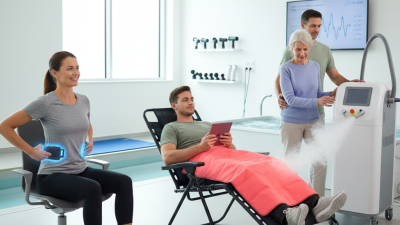
Choosing the right pain relief equipment can be overwhelming. With various options on the market, understanding your specific needs is crucial. Pain relief equipment ranges from traditional methods to advanced technology. Each type serves unique purposes and effectiveness.
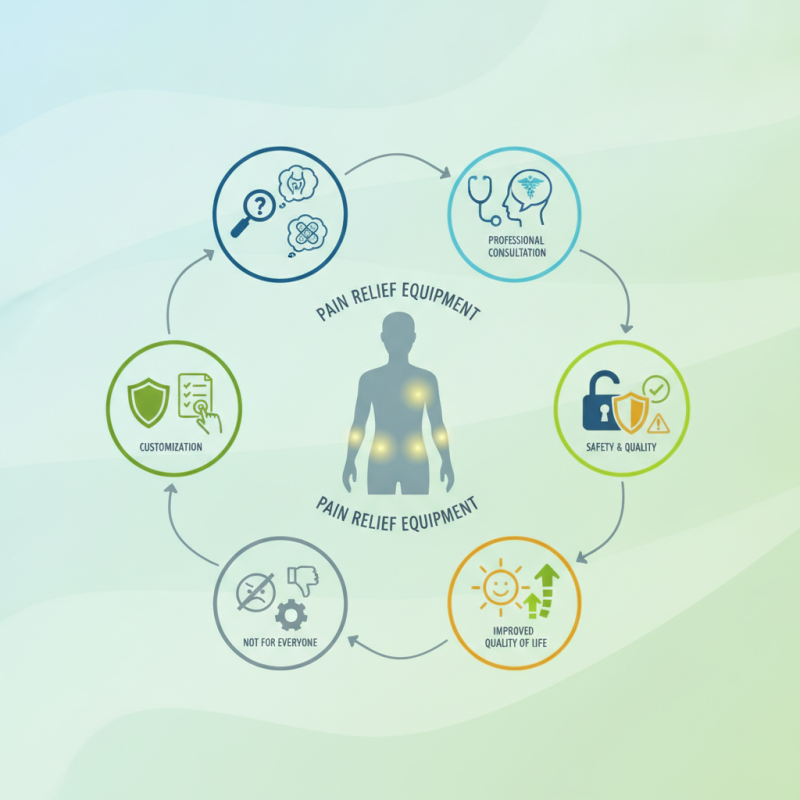
Consider your pain's nature and severity. Chronic conditions may require different solutions than acute injuries. Research shows that customized equipment often yields better results. This awareness can guide you toward the most suitable choice. However, not every tool works for everyone. Some may find particular devices ineffective despite their popularity.
Consulting professionals is advisable. Their expertise can steer you in the right direction. They might recommend brands or products that align with your needs. Always prioritize safety and quality. Some devices may not meet safety standards, leading to potential harm. An informed decision will enhance your quality of life and help you manage pain effectively.
Understanding Different Types of Pain Relief Equipment Available
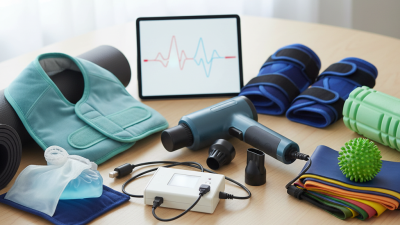
When exploring pain relief equipment, understanding available options is vital. Various types cater to different pain issues. For instance, heating pads offer soothing warmth for muscle strains. They can be effective but may cause burns if misused. Be cautious with temperature settings and application time.
Another common choice is TENS (Transcutaneous Electrical Nerve Stimulation) units. These devices deliver mild electrical currents to alleviate pain. Many users report relief, but results can vary. Proper placement of the electrodes is crucial for effectiveness. Some might find the sensation uncomfortable at first, requiring adjustment.
Additionally, foam rollers are popular for muscle recovery. They help increase blood flow and reduce soreness. Users should consider their comfort levels; some rollers are firmer than others. The experience might lead to initial discomfort, highlighting the need for balanced pressure. Each type of equipment has its pros and cons. Understanding personal needs will guide you in making the best choice.
Assessing Your Specific Pain Management Needs and Goals
When assessing your specific pain management needs, first identify the type and source of your pain. Research suggests that 20% of adults experience chronic pain, highlighting that tailored solutions are critical. Understanding whether your pain is acute or chronic can guide the choice of relief equipment. Consult with professionals who have experience in pain management. Their expertise can steer you toward suitable options.
Next, evaluate your personal goals for pain relief. Do you seek immediate relief or long-term management? Devices like TENS units can provide quick relief by stimulating nerves. A systematic review from the Journal of Pain Research indicates that TENS can be effective for various pain types. However, be mindful of possible discomfort or skin reactions.
Lastly, consider lifestyle integration. Equipment must align with daily routines for effectiveness. For example, portable devices may suit active lifestyles, while larger units might offer more comprehensive care at home. Be open to adjusting your choices as you monitor your progress. Reflecting on what works and what doesn’t is essential for achieving optimal pain relief.
Evaluating Key Features of Pain Relief Devices
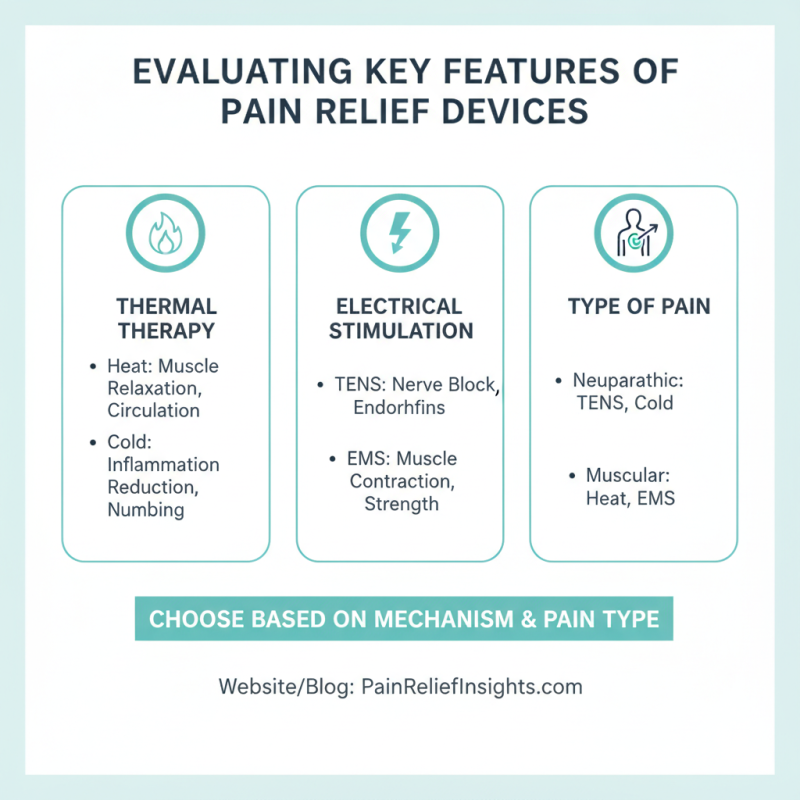
When selecting pain relief devices, it’s essential to consider various features that can impact effectiveness. The type of pain you experience can dictate which features matter most. Some devices focus on thermal therapy, while others use electrical stimulation. Understanding the mechanisms can guide better choices.
Consider portability and ease of use. Devices should fit into one’s lifestyle seamlessly. This means compact designs that can be used on-the-go. Look for features like adjustable settings to customize treatment. Some users may find flexibility crucial, while others might prefer straightforward designs.
Evaluate safety features as well. Many devices offer automatic shut-off options, which can prevent overheating. Read reviews to gauge reliability; user feedback often highlights concerns. Not every device suits every individual, and feedback can reveal potential drawbacks. Taking the time to assess these elements ensures a more informed decision, ultimately leading to better personal care.
Comparing Cost and Accessibility of Pain Relief Options
When looking for pain relief options, cost and accessibility are key factors. Data from the American Pain Society indicates that about 20% of Americans experience chronic pain. This significant portion of the population often struggles to find affordable solutions. Many pain relief devices can be costly, ranging from tens to hundreds of dollars. However, the long-term benefits can justify the investment.
Accessibility varies widely across regions. Rural areas often lack specialized clinics, increasing reliance on home-use devices. Some studies suggest that telemedicine has made access easier. Yet, not all patients feel comfortable using technology. Reports indicate that a lack of digital literacy affects about 30% of older adults. This can limit their ability to explore accessible pain relief options online.
Insurance coverage for these devices also plays a crucial role. A recent survey found that only 40% of insurance plans cover pain relief equipment. This leaves many patients paying out-of-pocket. While the medical community pushes for broader coverage, actual changes can take time. Patients often need education on available resources to make informed decisions. Balancing cost and accessibility remains an ongoing challenge in pain management.
Gathering User Reviews and Expert Recommendations for Equipment
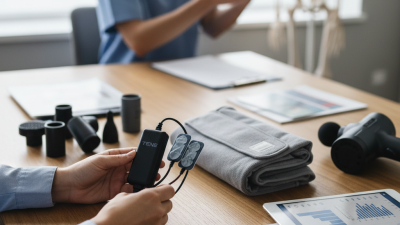
When selecting pain relief equipment, user reviews and expert recommendations are invaluable. Real user experiences provide insights into how products perform in everyday situations. Many users share their successes and failures, offering a fuller picture of an item’s effectiveness. For example, an electric massager may have rave reviews, but some users find it too intense or ineffective for their needs.
[Image Placeholder]
Experts also play a crucial role in guiding decisions. Their recommendations are often based on studies and clinical experiences. They evaluate the latest technologies and trends, providing trustworthy insights. However, experts can sometimes overlook individual preferences and circumstances. It's essential to weigh their advice alongside personal needs and situations. Balance both sides to make the most informed choice.
Gathering these insights can reveal trends and common issues. Pay attention to repeated comments, whether positive or negative. This pattern can guide your decision. But remember, what works for one may not work for all. The ideal equipment should align with your specific pain relief goals and lifestyle demands. This tailored approach is key to finding the best fit for your pain management needs.