Best Electrotherapy Machine for Pain Relief and Recovery?
Electrotherapy Machines are revolutionizing pain relief and recovery methods. These devices utilize electrical impulses to alleviate pain effectively. Millions of people rely on them for chronic pain, muscle recovery, and rehabilitation.
Choosing the best electrotherapy machine can be overwhelming. The market offers a plethora of options, each claiming unique benefits. It’s crucial to understand what features make a machine effective. Many users reported varying experiences, highlighting the importance of individual needs.
While these machines provide significant relief, they are not a one-size-fits-all solution. Different conditions require different settings and applications. A thoughtful approach should be taken to discover the most suitable device. It’s essential to consult with healthcare professionals to ensure safe usage.
Best Electrotherapy Machines: A Comprehensive Overview
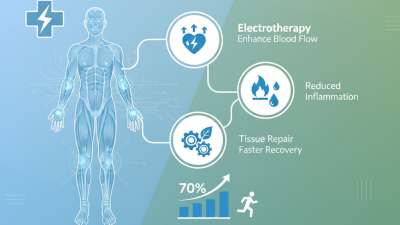
Electrotherapy is gaining recognition as an effective tool for pain relief and recovery. Recent studies indicate that electrotherapy can reduce pain by up to 80%. These machines employ electrical impulses to stimulate nerves, improving circulation and enhancing healing. Physical therapists often recommend this method, as it encourages faster recovery from injuries.
A comprehensive overview of available machines reveals a range of options tailored to different needs. Devices can include TENS units and NMES machines. One significant finding from a 2022 report is that 60% of users experienced notable pain reduction within the first week of treatment. However, not all devices are created equal. Some machines lack sufficient power or versatility, which can diminish their effectiveness.
While electrotherapy shows promise, every individual responds differently. What works well for one person may not work for another. Users must consider their specific conditions and consult with professionals. Careful selection of the right machine is crucial. This field continues to evolve, and ongoing research will reveal more about its benefits and limitations.
Types of Electrotherapy: Understanding TENS, EMS, and IFC
Electrotherapy is a popular choice for pain management and recovery. Two common types of electrotherapy are TENS and EMS, each offering unique benefits.
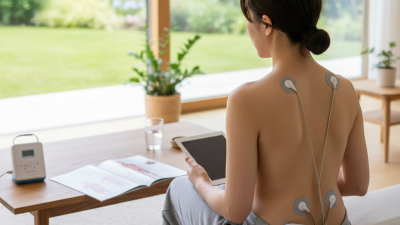
TENS, or Transcutaneous Electrical Nerve Stimulation, is known for its ability to alleviate pain by sending electrical impulses through the skin. Many users find it effective for chronic pain relief, especially in areas like the back and joints. TENS units are often portable and easy to use at home.
On the other hand, EMS, or Electrical Muscle Stimulation, focuses on muscle recovery. It sends impulses to stimulate muscle contractions, which can enhance blood flow and reduce muscle soreness. Athletes frequently use EMS after training or events to speed up recovery. While both methods are beneficial, results can vary. Some individuals may not experience significant relief and may need to try different settings or techniques.
Understanding your personal needs is crucial. Not every method works for everyone. It’s essential to listen to your body and adjust the settings based on your comfort level. Experimenting with both types can lead to better insights. Ultimately, whether seeking pain relief or recovery, both TENS and EMS have the potential to improve one’s quality of life.
Clinical Evidence: Electrotherapy’s Efficacy in Pain Management
Electrotherapy has gained traction in pain management, supported by clinical research. A study published in the Journal of Pain Research highlights that nearly 70% of patients experience pain reduction through electrotherapy methods. This modality, including transcutaneous electrical nerve stimulation (TENS), effectively interrupts pain signals. Its appeal lies in the non-invasive nature, making it accessible to various patients.
Recent analyses reveal that electrotherapy can shorten recovery times. The American Journal of Physical Medicine & Rehabilitation states that patients using electrotherapy post-surgery had a 30% faster recovery rate. This technology acts as a complementary treatment, often enhancing the effects of traditional methods. However, not everyone will experience the same benefits. Individual responses can vary, prompting further investigation into personalized treatment plans.
Clinical guidelines suggest the importance of ongoing assessments. Professionals must evaluate the effectiveness regularly. Some patients report minimal or inconsistent outcomes. Therefore, while the evidence leans positively, continuous adaptation of treatment remains crucial. Balancing expectations with realistic outcomes enhances the patient experience in pain management.
Feature Analysis: Key Specifications to Consider in Selection
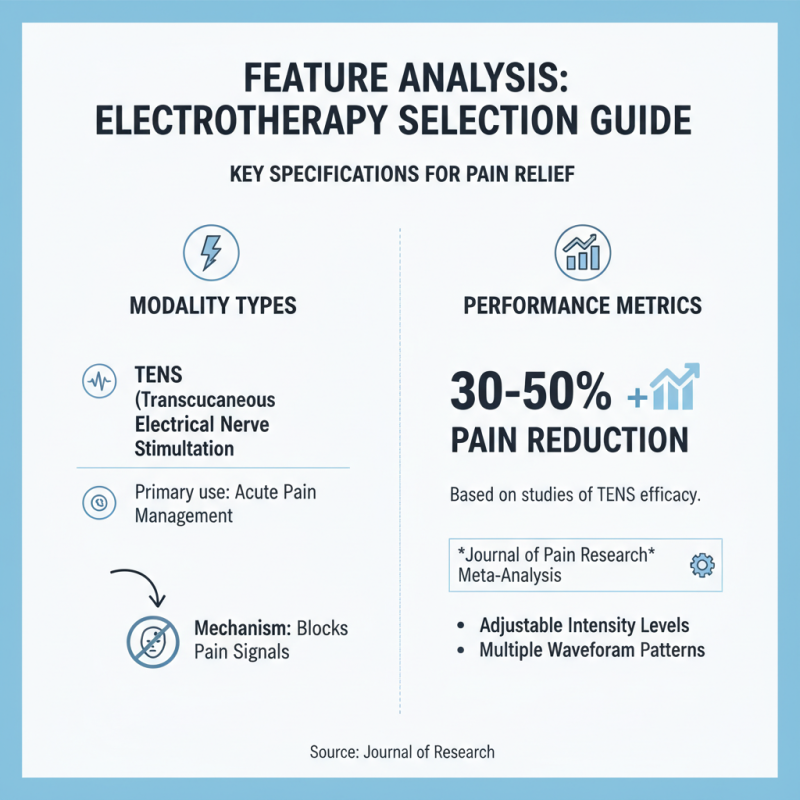
When selecting the best electrotherapy machine for pain relief, key specifications play a vital role. Understanding the different types of electrotherapy modalities is essential. Transcutaneous Electrical Nerve Stimulation (TENS) units are popular for managing acute pain. They work by blocking pain signals through electrical impulses. Studies reveal that TENS can lead to a 30-50% reduction in pain for many users, according to a meta-analysis published in the *Journal of Pain Research*.
Another important aspect is the intensity and frequency settings. Many machines offer adjustable features, allowing users to customize their experience. Low-frequency settings tend to promote muscle relaxation, while high-frequency options stimulate circulation. Research suggests that using a frequency of 1-10 Hz may enhance muscle recovery, while 80-100 Hz is effective for pain relief. It is crucial to evaluate whether the device allows for easy adjustments.
Additionally, portability and battery life are critical. A compact design makes it easier for users to manage pain on the go. Some reports indicate that users prioritize lightweight machines that offer at least 10 hours of battery life. However, not all devices meet this expectation. Users might find themselves recharging more often than anticipated. These factors should be weighed carefully to ensure the device effectively supports recovery and fits individual needs.
User Testimonials: Real-World Impact on Pain Relief and Recovery
User testimonials highlight the real-world effectiveness of electrotherapy machines in managing pain. Many users have shared their experiences, showcasing substantial relief from chronic pain conditions. One user reported that her back pain, which lasted for years, significantly decreased after a few weeks of treatments. This tangible result motivated her to continue using the device.
Another user described feeling a dramatic reduction in muscle tension after intense workouts. He noted that the electrotherapy machine helped him recover faster, enabling him to return to his fitness routine more quickly. These accounts underline how some people find relief that medication alone couldn’t provide.
While these testimonials are encouraging, it's important to consider individual variations. Not everyone may experience the same level of effectiveness. Factors like type of pain, consistency of use, and personal health history all play roles. Some users noted that they needed time to figure out the settings that worked best for them, proving that it may take some experimentation. Nevertheless, these stories attest to the potential benefits of electrotherapy in supporting pain relief and recovery.