2026 Top Back Pain Relief Products for Global Buyers
Back Pain Relief has become a major concern for global buyers seeking safer, practical wellness solutions. This 2026 guide reviews products designed to support comfort, mobility, and daily function. It covers lumbar cushions, adjustable support belts, heating devices, massage tools, posture aids, and recovery accessories. Each category serves a different need.
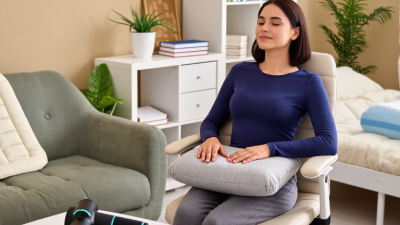
Small details matter. A cushion should support the lower back without forcing an unnatural posture. A heating pad should offer clear temperature controls, automatic shutoff, and reliable electrical protection. Materials should feel breathable during long office hours. Packaging should include readable instructions, care guidance, and safety warnings in appropriate languages.
Not every popular product deserves trust. Marketing claims can sound impressive but remain weak without testing or transparent evidence. Buyers should examine clinical references, manufacturer qualifications, warranty terms, user feedback, and regional compliance requirements. Independent reviews can help, although they may reflect personal preferences rather than medical outcomes.
Comfort is not the same as treatment. Persistent, severe, or unexplained pain requires professional medical advice. Numbness, weakness, or bladder changes should never be managed with consumer products alone. This guide does not replace a clinician’s assessment.
Some recommendations may remain imperfect. Product quality can vary between batches, markets, and suppliers. Even a well-designed device may feel uncomfortable for certain users. That limitation deserves attention.
The goal is practical judgment, not exaggerated promises. Global buyers can compare function, safety, evidence, and value before choosing suitable Back Pain Relief products for 2026.
Understanding Back Pain and Its Common Causes
2026 Top Back Pain Relief Products for Global Buyers
Understanding Back Pain and Its Common Causes
Back pain is not one condition. It is a symptom with several possible sources. The World Health Organization reported that low back pain affected 619 million people worldwide in 2020. Its 2023 fact sheet projects about 843 million cases by 2050. These figures cover different ages, jobs, and health systems. They also show why one relief product cannot suit every cause.
Most cases are nonspecific, meaning no single structure clearly explains the pain. Common triggers include lifting, prolonged sitting, weak conditioning, sudden exercise, and poor sleep. Muscle or ligament strain may feel sore after carrying a heavy box. A disc problem can send pain into the leg. Arthritis, osteoporosis, infection, and inflammatory disease require clinical assessment. The Global Burden of Disease study identifies low back pain as a leading cause of years lived with disability. Statistics do not diagnose individuals. Numbness, leg weakness, fever, trauma, or bladder changes need urgent medical care.
Tips: Check fit, comfort, and instructions before purchase. Start with gentle movement, not aggressive pressure. WHO recommends education, exercise, and person-centered care for chronic primary low back pain. Avoid “instant correction” claims. Track discomfort after sitting, walking, or sleeping. That small record may reveal useful patterns. Product choice is often treated as the answer. It is only one piece, and even good advice can miss the mark without proper assessment.
Key Features of Effective Back Pain Relief Products
For 2026 global buyers, effective back pain relief products should solve practical problems, not promise instant cures. The World Health Organization reports that 619 million people experienced low back pain in 2020. This number may reach 843 million by 2050 (WHO, 2023). Product design therefore matters, but medical claims need restraint.
Key features include adjustable support, breathable materials, and stable pressure across the lower back. A good support should remain comfortable during sitting, walking, and light work. Heat products need controlled temperatures, automatic shutoff, and clear skin-safety instructions. Electrical stimulation devices require simple controls, reliable instructions, and visible warnings. Evidence varies. A Cochrane review found uncertain benefits for several non-drug treatments, so buyers should avoid guaranteed-result language.
Fit is often underestimated. A rigid product may restrict movement or create pressure near the hips. Soft materials can feel better, yet they may lose support after repeated washing. I would not treat customer reviews as clinical proof. Still, they can reveal slipping, overheating, or sizing problems. The WHO also recommends education, exercise, and maintaining normal activities for many cases, rather than relying on passive products alone. Buyers should check independent testing, material safety, warranty terms, and region-specific compliance documents. A thoughtful product supports daily movement. It does not replace professional assessment when pain persists, spreads, or causes weakness.
2026 Top Back Pain Relief Products for Global Buyers
Key Features of Effective Back Pain Relief Products
The chart compares common product feature categories by the number of major clinical guidance sources supporting their consideration for low back pain management. Higher scores indicate stronger alignment with guidance, not guaranteed product effectiveness.
Score basis: 0–3 sources. Reviewed sources include the World Health Organization guideline on chronic primary low back pain, NICE guideline NG59, and American College of Physicians clinical guidance. Buyers should prioritize products that support active rehabilitation, safe use, clear instructions, and appropriate professional advice.
Sources: World Health Organization, “WHO guideline for non-surgical management of chronic primary low back pain in adults” (2023); NICE NG59, “Low back pain and sciatica in over 16s”; American College of Physicians clinical practice guideline for noninvasive treatments for low back pain.
Comparing Top Back Pain Relief Products in 2026
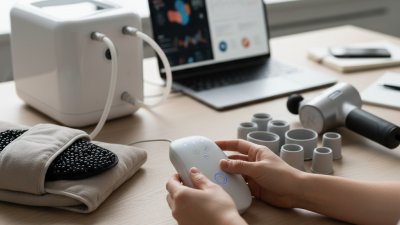
Comparing top back pain relief products in 2026 requires more than checking online ratings. The best choice depends on pain intensity, daily movement, and medical history. Heating pads offer steady warmth for tight muscles and are easy to use at home. TENS devices may provide temporary relief through mild electrical stimulation. They require correct pad placement and careful setting adjustments. No product wins every test.
Lumbar supports can help during long drives or desk work, especially when poor posture increases discomfort. However, wearing one continuously may weaken natural muscle engagement. Massage tools reach deeper areas, but excessive pressure can worsen irritated tissue. I prefer models with adjustable intensity, clear instructions, and automatic shutoff. Small details matter, such as washable covers, stable controls, and a cord long enough for safe use.
Clinical guidance should influence any purchase. New numbness, leg weakness, fever, or bladder changes need prompt medical assessment, not another gadget. People with implanted electronic devices should ask a qualified clinician before using electrical stimulation. Product claims also deserve skepticism. “Fast relief” does not mean lasting recovery. In practice, gentle movement, sleep support, and gradual strengthening often work better alongside a device. My own comparison would not rank one universal winner. A comfortable product that someone uses correctly may outperform a more powerful option left in a drawer.